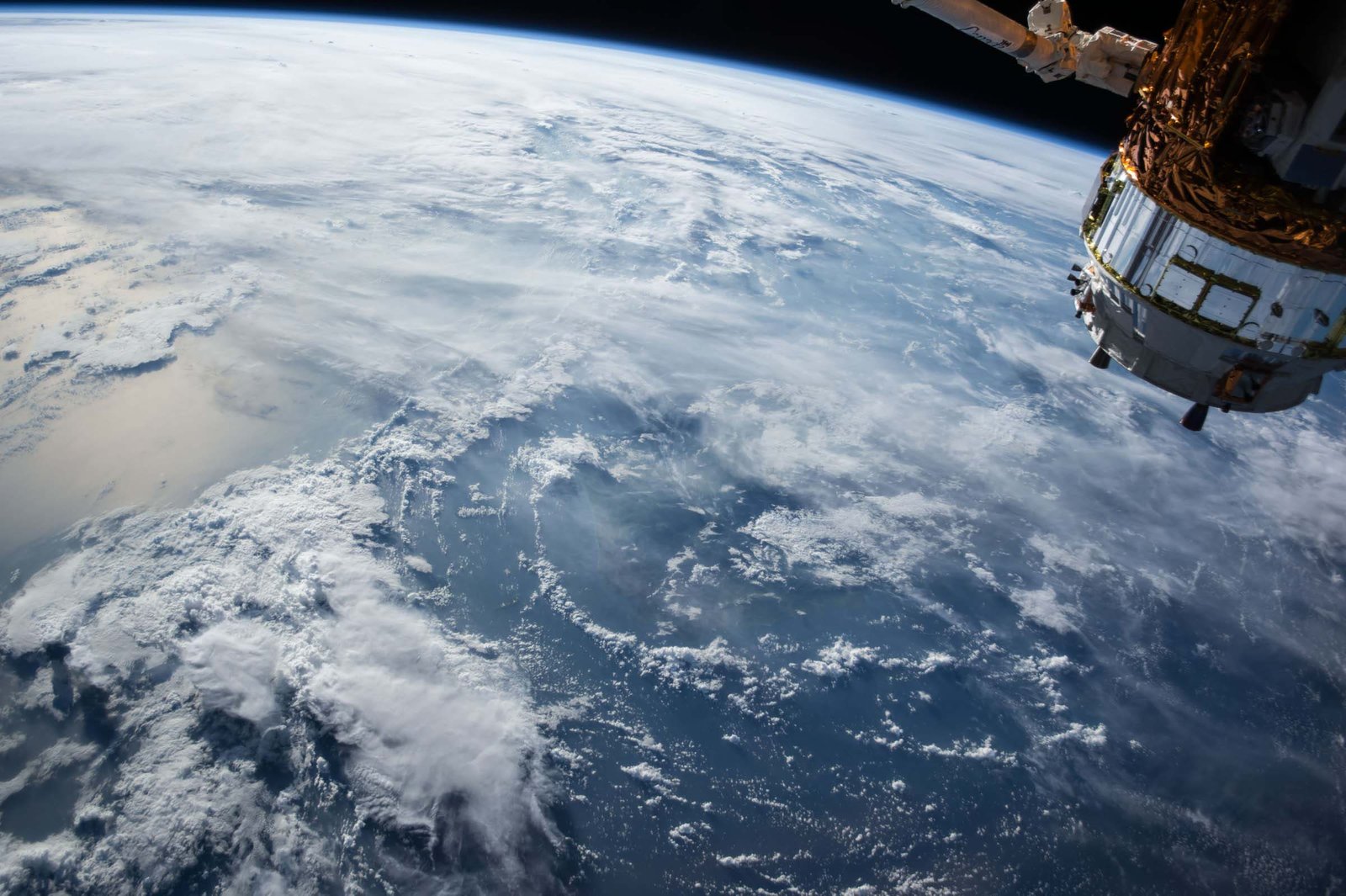
In the thriving age of space exploration, unconventional alliances foster unprecedented advancements.
An excellent example of this is the surprising but productive alliance between the medical device sector and the space industry. We’re exploring how proficiency from the medical device field is progressively important and beneficial in the rapidly expanding space sector.
Bridging the Gap: Medical Device Professionals in the Space Industry
Medical device development and space exploration, at first glance, might appear worlds apart. However, they share several significant challenges such as stringent standards for equipment, the need for compact and efficient designs, and the necessity for remote operability. As a result, expertise from the medical device industry is finding growing relevance in the space sector.
The undeniable value of cross-industry collaboration is reflected in examples such as the development of portable ultrasound machines for the International Space Station and the use of LED technology originally designed for plant growth experiments in space to aid wound healing. These cases underline the transformative potential at the intersection of medical devices and space technology.
Medical Device Expertise in the Space Industry: Transferring Technical Skills
Professionals in the medical device industry come with a wealth of technical skills that are highly applicable in the space industry:
Precision Engineering and Safety Assurance
Both the medical device and space sectors place a high premium on the precise design and development of equipment. This precision is critical given the potentially catastrophic consequences of equipment failure in both fields.
Navigating Regulatory Landscapes
Both sectors are governed by stringent regulations. Medical device professionals, already skilled in navigating these complex frameworks, can transfer this ability to the space sector.
Systems Integration and Engineering
In both fields, understanding and integrating complex systems is vital. The ability to conceptualize and implement cohesive systems is a significant asset when transitioning from the medical device sector to the space industry.
Soft Skills: Transferring Interpersonal Expertise to the Space Sector
Soft skills honed in the medical device industry are also invaluable within the space sector:
High-Stakes Problem Solving
Both fields necessitate quick and efficient problem solving, often under substantial pressure. The capacity to handle crises and generate creative solutions to unprecedented challenges is extremely valuable in space missions.
Interdisciplinary Collaboration
Just as in the medical device field, space projects often require cross-functional communication and collaboration. The ability to coordinate teams and communicate complex concepts clearly is crucial in both sectors.
Embracing Innovation and Adaptability
The fast-paced, ever-evolving nature of both the medical device and space sectors requires professionals to be innovative and adaptable, readily embracing new ideas and technologies.
Transitioning to the Space Industry with EVONA
Recognizing the need for a smoother transition for professionals across industries, EVONA, the leading space industry staffing specialist, plays a critical role. With a strong reputation for connecting exceptional talent with cutting-edge projects in the space sector, we stand as an invaluable partner for medical device professionals seeking to leverage their skills in the space industry.
Industry Insight – With deep knowledge of the space industry’s demands and the future landscape, EVONA can guide professionals in highlighting and deploying their transferrable skills most effectively.
Personalized Pathways – Every professional’s journey is unique. Our experienced crew crafts personalized transition pathways that take into account individual backgrounds, strengths, and career aspirations.
Extensive Network – EVONA’s established relationships with leading organizations in the space industry provide medical device professionals access to a plethora of opportunities.
Ongoing Support – Transitioning industries is a substantial step. EVONA’s commitment extends beyond placement, with ongoing support and resources to help professionals thrive in their new roles.
We stand at the brink of an exciting era, where interstellar ambitions are no longer confined to the realm of science fiction. With ambitious projects like the Lunar Gateway station and Martian colonization in the pipeline, the demand for this combination of skills is set to rise. These endeavours open new doors for career advancement and research opportunities for medical device professionals, inviting them to contribute to humankind’s most ambitious ventures.
If you’re a professional in the medical device industry, consider the wealth of opportunities waiting for you in the space sector. Contact our crew today and be a part of the pioneering wave of cross-industry innovation in space technology.
Following a transformative journey at Spaceport Cornwall, Melissa Quinn is poised to chart new territories in her newly unveiled role as general manager at Slingshot Seradata.
Her appointment to this crucial position at a leading space market analysis firm signals another significant milestone in her illustrious career.
We at EVONA are incredibly proud to have placed Melissa in this new role. We’re thrilled to announce this transition and look forward to witnessing the innovative leadership and purpose-driven dedication Melissa will undoubtedly bring to her new position.
“After a decade at Spaceport Cornwall, and having achieved that historic first launch, my next career step had to be about more than finding just a job. It was crucial to me that my new venture aligned with my Space for Good purpose, and the prospective company was passionate about space and sustainability. I have definitely found that in Slingshot Seradata,” said Melissa Quinn. “Ross at EVONA really understood my needs and supported me throughout the whole process. It was a fantastic experience from start to finish (and beyond!), and the space industry is lucky to have them finding the skills we need to move us all forward.”
Melissa Quinn’s tenure at Spaceport Cornwall was nothing short of legendary. Beginning her journey as aerospace sector engagement manager in 2010, Melissa’s consistent demonstration of excellence led to her promotion to head of engagement in 2015. Recognizing her substantial contributions, the organization further elevated her to the role of head of spaceport in 2020. As the world’s first female spaceport leader, Melissa carved out a significant place in history, paving the way for more diverse leadership in the sector. Under her skilled guidance, Spaceport Cornwall carried out the UK’s first ever satellite launch, made possible through a strategic alliance with Virgin Orbit. During her leadership, not only did Spaceport Cornwall secure the UK’s first licensed spaceport, but it also set new standards for the UK’s broader engagement in space exploration and technology. This marked a significant milestone, redefining the landscape of the industry.
Under Melissa’s guidance, Spaceport Cornwall secured key investments, navigated complex regulations, and delivered advanced infrastructure, all while conveying the compelling story of space exploration to the local community. Melissa’s work extended far beyond the bounds of Cornwall, garnering international recognition through features in the New York Times, The Guardian, BBC World News, and The Independent.
It’s no surprise that Slingshot Seradata, the space industry’s premier launch and satellite database, selected Melissa for the role of general manager. The company, recently acquired by Slingshot Aerospace, can anticipate significant expansion under Melissa’s innovative leadership. Given her track record of overseeing high-profile national projects, managing multidimensional stakeholders, and amplifying the profile of space initiatives, she is exceptionally suited to navigate Slingshot Seradata’s expansive database and drive their market analysis system forward.
Slingshot Seradata, renowned for capturing comprehensive data on every orbital launch and satellite since Sputnik in 1957, is about to leap into its next chapter with Melissa at the helm. Her expertise in aerospace markets, project management, and strategic leadership will be instrumental in managing day-to-day operations and steering Slingshot Seradata’s market analysis tool for a deeper dive into the world’s satellite systems.
“From the moment we initially engaged with Melissa about the position at Slingshot Seradata, we knew she was the right fit,” commented Ross Crosby, EVONA’s Head of Contract. “Her track record of innovative leadership, coupled with her consistent and pragmatic decision-making skills, aligns perfectly with Slingshot Seradata’s goals and vision. But it’s not just about experience – her commitment to the sustainable use of space, and her ability to inspire others to share this vision, is exceptional. Melissa’s impact at Spaceport Cornwall significantly advanced the industry, and we anticipate the same transformative influence at Slingshot Seradata. They’ve gained a dynamic leader who will propel them into their next phase, and Melissa is joining a company that will leverage her skills to the fullest, fostering continued growth and expansion in the industry.”
It’s a thrilling day in the space industry as we welcome this highly anticipated transition. There’s been an electrifying buzz around Melissa’s move, fuelled by much speculation and excitement. Today, we celebrate not just a job transition, but a testament to Melissa’s unwavering commitment to propelling the space industry forward.
Melissa Quinn, a name synonymous with trailblazing leadership and strategic space innovation, is set to take Slingshot Seradata on an unforgettable journey. The future of space data analysis has never looked brighter.
To hear more about Melissa’s incredible story so far, straight from the source herself, tune into the latest episode of the EVONA Origin Stories podcast on Spotify, or get the full experience on YouTube.
The Satellite Communication (SATCOM) industry is at the heart of our evolving digital world.
As the doors to space exploration open wider and communication technologies advance, SATCOM is blossoming, evolving, and expanding.
As your partner in space industry staffing, we’ve pinpointed nine key fields of study that are currently steering this change. Each field is unique, brimming with opportunities and new paths to explore. If you’re ready to dive into the SATCOM industry, these areas of expertise could be your ticket. Here’s why:
Electrical and Electronics Engineering
Listed as 21.8% of SATCOM companies’ top field of study, electrical and electronics engineering is the bedrock of SATCOM. Electrical engineers are the trailblazers who design, develop and manage the components essential to the operation of satellites. This includes power systems, telemetry devices, and other components, all of which are built to perform consistently in the harsh, unforgiving realities of space. Alongside them, electronics engineers masterfully craft miniature circuits and devices, optimising satellite weight and size while amplifying functionality. Together, this discipline forms a vanguard that consistently pushes technological boundaries in SATCOM.
Computer Science
Computer science, at 14.1%, is an indispensable cornerstone in the SATCOM industry. It’s computer scientists who design and optimise the intricate algorithms and data structures that satellites rely on for their operation. They work tirelessly to ensure secure and efficient communication between space and earth, maintaining the integrity and accessibility of the massive amounts of data satellites handle. With their expertise, satellites become more than hunks of metal in orbit—they become sophisticated instruments capable of advancing humanity’s reach and understanding.
Computational Science
With a substantial 9.8%, computational science – not to be confused with computer science – plays a pivotal role in the SATCOM industry. Computational science is an interdisciplinary field that uses computer science techniques, mathematical models, and simulations to solve complex problems in various scientific disciplines. It involves the practical application of computer science and mathematics to real-world problem solving. This discipline leverages the power of computational tools to simulate and solve complex physical problems associated with satellite communications. By creating models of intricate situations and systems, computational scientists offer invaluable insights into satellite design, performance optimisation, and risk mitigation. They are the analytical powerhouses who help us navigate the complexities of creating and managing advanced satellite systems.
Mechanical Engineering
Mechanical engineering, standing firm at 9.8%, brings pragmatism to the innovative world of SATCOM. These engineers concentrate on the physical systems within a satellite, focusing on aspects like thermal control and mechanical structures that maintain the satellite’s physical integrity. Their work ensures that satellites can withstand the harsh conditions of space for extended periods, thereby enhancing the longevity and reliability of our space-based communication networks.
Aerospace, Aeronautical, and Astronautical Engineering
Carrying a significant 9.5% of the weight, Aerospace, Aeronautical, and Astronautical Engineering builds the backbone of the SATCOM industry. These talented engineers design, construct, and test the spacecraft that eventually transform into our communication satellites. They are the bridge between theoretical designs and tangible, functioning satellites, their work allowing us to reach beyond the confines of our planet and into the celestial unknown.
Computer Systems Networking and Telecommunications
Holding 7.3% of the field, specialists in computer systems networking and telecommunications ensure that our planet remains interconnected. They design and implement the networks that facilitate seamless communication between satellites and earth stations. Their efforts transform a collection of individual devices into an integrated global web, keeping the world linked, no matter how remote the location.
Electronics
At 7.3%, specialists in electronics are indispensable to the SATCOM sector. These experts are responsible for the intricate electronic components that keep satellites functional. Through their meticulous work, they ensure that every signal, every byte of data, is transmitted and received correctly, enabling a symphony of seamless communication that spans the globe.
Industrial Engineering
Industrial engineers, also at 7.3%, bring a unique and practical perspective to the SATCOM industry. Their role is to enhance operational efficiency and cost-effectiveness within the sector. They ensure processes are streamlined, resources optimised, and that the production and operation of satellites remain economically viable. Their ingenuity in creating sustainable and efficient systems is a crucial contributor to the long-term growth and environmental responsibility of the industry.
Telecommunications Engineering
Finally, accounting for 7% of specialities, telecommunications engineering is vital to the efficient operation of SATCOM systems. These engineers manage the precious spectrum resources, promoting their efficient and effective usage. Their mastery prevents a chaotic scramble for bandwidth and ensures orderly, reliable communication channels.
Advancing Your Career with EVONA
Kick-starting your career in the exciting realm of SATCOM is an exhilarating prospect, and having EVONA as your partner can give you a significant advantage. As a leading specialist in space industry staffing, we have an intimate understanding of the industry and a deep network of connections with innovative organisations driving SATCOM evolution.
With EVONA, you gain more than just access to job listings. We work with you to understand your unique skills, passions, and career ambitions. Then, we connect you with opportunities that not only align with your expertise but also with your future aspirations, ensuring a fulfilling and impactful career.
Our commitment to you extends beyond the recruitment process. We firmly believe in the value of lifelong learning, and we provide continuous support through resources and guidance tailored to your professional development. With the SATCOM industry advancing at a rapid pace, we ensure you stay informed about the latest trends, technologies, and opportunities.
At EVONA, we’re dedicated to not just helping you find a job, but shaping your career and contributing to the future of the SATCOM industry. Begin your journey with us, and together, we will reach new heights in the ever-expanding universe of satellite communications.
Embarking on an industry-defining mission, NUVIEW stands at the frontier of the Earth observation industry.
3D mapping using LiDAR satellite technology. Credit: NUVIEW
Their pioneering project is the first of its kind, setting the stage for a new epoch in global terrain mapping. By creating the first-ever commercial satellites equipped with Light Detection and Ranging (LiDAR) technology, NUVIEW is venturing into an uncharted territory that has been eagerly awaited for decades.
As we stand today, organizations shell out nearly $3BN every year to secure LiDAR data. Unfortunately, the yield from such substantial investment is merely a 5% mapping of the world’s surface, a limitation primarily due to the restrained capabilities of traditional airborne data collection methods. NUVIEW is set to disrupt this bottleneck with a more scalable, high-quality solution, democratizing LiDAR data access.
By leveraging cutting-edge satellite technology, NUVIEW is poised to revolutionize remote sensing. Their LiDAR imaging satellites will emit rapid-fire laser pulses, each meticulously measured for the time taken to reflect back from the Earth’s surface. By harnessing this data, NUVIEW’s satellites will construct intricate 3D maps of the terrain below, radically augmenting our understanding of the Earth.
3D mapping using LiDAR satellite technology. Credit: NUVIEW
The current LiDAR mapping landscape offers a limited scope, with drones and UAVs covering only a handful of square kilometers each day, and aircraft barely managing hundreds. In contrast, NUVIEW’s satellite constellation aspires to capture millions of square kilometers, making the concept of comprehensive global LiDAR mapping a tangible reality.
The game-changing potential of NUVIEW’s initiative spans numerous applications across multiple industries. From evaluating the density of vegetation in tree canopies for carbon production, to devising efficient water management strategies for farmers, the possibilities are immense. The regular updates from NUVIEW’s satellites also enable large-scale applications in flood mapping, forestry assessment, and infrastructure planning, all of which were previously impractical.
While this is undoubtedly a monumental technological challenge, NUVIEW’s team is prepared and equipped to tackle any technical hurdles. They stand ready to pioneer a future where the annual comprehensive mapping of the Earth’s land surface is a norm rather than an exception.
3D mapping using LiDAR satellite technology. Credit: NUVIEW
As NUVIEW blazes this trail, the company is recruiting across various roles and disciplines, inviting professionals to join this unique opportunity to be a part of a revolutionary endeavor that promises to redefine the remote sensing industry. EVONA is dedicated to helping guide you through this transition, ensuring a seamless move to NUVIEW. Embrace this extraordinary chance to contribute to a game-changing mission in Earth observation, supported every step of the way by our crew of experts.
“Joining NUVIEW is more than just being a part of a groundbreaking team. It represents a unique opportunity that is truly extraordinary,” commented Katie Graumann, NUVIEW COO and co-founder. “As members of this pioneering team, we are at the heart of a revolution, pushing the boundaries of what the remote sensing industry is capable of. We are not just observers of change, but makers of it, blurring the lines between what was once imagined and what is now achievable. NUVIEW is more than just a company — It is a lighthouse of innovation, illuminating the path to untapped possibilities and pioneering solutions in Earth observation.”
In their ambition to image the Earth’s entire land surface annually, NUVIEW is setting out to establish a new gold standard in global elevation data. This landmark mission is more than a scientific breakthrough; it’s a game-changer that fundamentally enhances our perception of the planet we inhabit.
Contact our crew and join NUVIEW in making this seismic shift a reality.
Satellite technology, while commonly associated with space exploration and weather forecasting, has a far more intimate connection with our daily lives than one might assume. It’s the invisible force that empowers a multitude of our daily activities, silently shaping the backbone of our modern societies.
In this post, we’ll unveil ten unexpected ways satellites influence your day – some of which might genuinely surprise you!
1 . Podcasts:
Satellites make possible the seamless distribution of your favorite podcasts. From the upload servers to your earphones, these celestial powerhouses ensure your commute is filled with enlightening conversations.
2 . Global E-commerce:
Ever shopped online for vintage clothing from an international store? Satellites facilitate global internet connectivity, making international e-commerce a reality.
3 . Virtual Fitness Classes:
When you log onto your live-streamed yoga class, it’s likely that satellites play a vital role in enabling real-time video transmission, ensuring you never miss a pose!
4 . Home Security Systems:
Satellites support the robust communication needed by home security systems to alert security companies during emergencies. You can sleep safer knowing that satellites are watching over.
5 . Language Learning Apps:
Ready for your Spanish lesson on an app? Satellites ensure global connectivity for real-time updates, making sure your lessons are always on schedule.
6 . Smartwatch Updates:
The updates your smartwatch receives might have been relayed through a satellite. From the latest weather update to new health features, satellite networks keep you informed.
7 . International Video Calls:
Satellites facilitate high-quality, real-time video calls, bringing your overseas friends closer than ever. Those heart-to-heart conversations might just be traveling through the stars!
8 . Power Outage Notifications:
Satellite data allows utility companies to predict and notify customers about potential power outages due to adverse weather conditions. With satellites on guard, you’re never left in the dark.
9 . Finding Lost Pets:
GPS-equipped pet collars utilize satellites to help you locate your adventurous furry friend. Even when your pet takes an unplanned excursion, satellites help bring them home safely.
10 . Watching Live Space Launches:
Enjoying a live space launch broadcast is made possible by communication satellites. Your awe-inspiring view of rockets piercing the skies owes its thanks to other machines already in orbit.
As we navigate our day-to-day activities, the unseen influence of satellite technology subtly guides our steps. From our personal endeavors to the larger technological landscape, these orbiting sentinels tirelessly shape our world and how we interact with it. By better understanding and acknowledging their invisible contributions, we can appreciate the true extent of the comfort and efficiency they bring into our lives. Satellites, though often out of sight, should never be out of mind.
Next time you tune into your favorite podcast or find your way with a GPS, remember to send a mental thanks to the silent guardians above.
As we strive to understand and adapt to the continually changing climate patterns, satellite forecasting technology has become a cornerstone in our approach to weather prediction and management. The increasing global reliance on accurate, real-time weather data has necessitated remarkable advancements in satellite technology and climate science. Today, satellite forecasting is revolutionizing weather prediction and significantly influencing various sectors, including disaster management, agriculture, aviation, and shipping, among others.
Satellite Forecasting: A Transformative Leap in Weather Prediction
Satellite forecasting, a modern marvel of climate science, has dramatically changed the meteorological landscape. Advanced imaging satellites, such as geostationary satellites and polar-orbiting satellites, tirelessly monitor the Earth’s atmosphere, oceans, and land surfaces. This capability provides meteorologists with a global perspective on weather patterns, ensuring the creation of more accurate and timely weather forecasts.
The Intricate Process of Satellite Forecasting
The process of satellite forecasting is multi-faceted, beginning with the acquisition of data. These space-based observers capture images, measure radiation levels, and detect variations in the electromagnetic spectrum. Once transmitted to ground stations, this data is processed and converted into valuable weather-related information.
This information undergoes thorough analysis and integration with other meteorological datasets, such as data from ground-based weather stations, weather buoys, and drones. Advanced algorithms and computer models interpret the information, identifying weather patterns, storm systems, and atmospheric conditions. Utilizing a blend of historical data, atmospheric physics, and mathematical equations, these models simulate and predict the future state of the atmosphere, leading to more reliable forecasts.
Applications of Satellite Forecasting
Disaster Management:
Satellite forecasting plays a pivotal role in disaster management by providing early warnings, mapping vulnerable areas, and supporting post-disaster relief and recovery. The real-time, accurate data facilitated by advanced satellite forecasting and geo-intelligence helps in informed decision-making, reduces disaster risk, and enhances resilience. Find out more here.
Precision Agriculture:
Satellite technology is transforming agriculture by leveraging remote sensing and the Global Navigation Satellite System (GNSS) for crop health monitoring, soil condition assessment, and irrigation optimization. Accurate weather predictions enable farmers to make informed decisions about planting, fertilization, pest management, and harvesting, thus promoting sustainable agriculture.
Climate Studies:
Satellites provide invaluable data for understanding long-term climate trends. By monitoring variables such as temperature variations, sea ice extent, ocean currents, and greenhouse gas concentrations, scientists can analyze climate patterns and make predictions about future climate change. This information is crucial in shaping sustainable policies and strategies to mitigate the impact of climate change.
Aviation and Maritime Operations:
Accurate weather forecasts are essential for the safety and efficiency of aviation and maritime operations. Satellite data provides real-time information on cloud cover, turbulence, wind patterns, and sea conditions. This information allows pilots, ship captains, and navigation systems to plan routes, optimize fuel consumption, and circumnavigate hazardous weather conditions.
The Future of Satellite Forecasting
Satellite forecasting technology is set to evolve further, thanks to the advent of small, cost-effective CubeSats and advancements in high-speed data processing and AI. These developments promise to enhance the accuracy and utility of weather prediction. Moreover, the potential of this technology stretches beyond weather prediction to include environmental monitoring, climate change research, and space weather prediction, thus paving the way for a safer and more predictable future.
The integration of satellite data with other data sources such as ground-based weather stations, weather buoys, and drones will further enhance forecast accuracy and coverage. Additionally, progress in machine learning and artificial intelligence will streamline data analysis and model development, resulting in improved forecasts and faster processing times.
Satellite forecasting technology is revolutionizing weather prediction and impacting various sectors profoundly. By harnessing the power of satellites, meteorologists can observe the Earth’s atmosphere, oceans, and land surfaces in real-time, leading to more accurate and timely weather predictions.
This technology is also vital for understanding long-term climate trends, enhancing disaster management, transforming agricultural practices, and ensuring the safety and efficiency of aviation and maritime operations.
As we continue to explore and develop this technology, its potential to revolutionize not just meteorology, but a wide range of industries and scientific research areas, becomes increasingly evident. The next frontier in satellite forecasting promises profound advancements in our understanding and interaction with our planet and beyond.
Space-Based Solar Power: A Sustainable Solution for Earth’s Energy Crisis?
In a world where the climate crisis and energy scarcity have become two of the most pressing issues of the 21st century, the quest for alternative, sustainable energy sources is more crucial than ever.
One possible solution that has emerged from the confluence of space exploration and renewable energy technology is space-based solar power (SBSP).
The concept, while not entirely new, has garnered significant attention in recent years and could potentially revolutionize the way we power our planet.
Understanding Space-Based Solar Power
Image credit: ESA Advanced Concepts Team
The premise of SBSP is straightforward: capture sunlight in space, where the sun always shines and convert it into a form of energy that can be transmitted back to Earth. Unlike ground-based solar power, space-based systems are not subject to weather conditions, atmospheric filtering, or the day-night cycle, resulting in an unending, incredibly potent power source.
“Sunlight is on average more than ten times as intense at the top of the atmosphere as it is down at the surface of the Earth. And up at a sufficiently high orbit sunlight would be available on a continuous basis, to capture all the sunlight available, able to be beamed to receiving stations across the planet, wherever it is needed.
Space-based solar power systems would typically involve solar power satellites that orbit Earth, capturing and converting sunlight into electricity. This energy is then transformed into microwaves or laser beams and transmitted to receiver stations (rectennas) on Earth, which convert the microwaves back into electricity for distribution into the power grid.
The Promise of SBSP
The advantages of SBSP are considerable. Firstly, it’s an infinitely renewable source of energy, with no emissions or waste, making it incredibly sustainable and environmentally friendly. It could potentially offer a solution to both energy scarcity and climate change by significantly reducing our dependence on fossil fuels.
Secondly, as the system operates 24/7, it provides constant, reliable energy, addressing the intermittency issues associated with many renewable energy sources. This reliable production could play a significant role in stabilizing energy grids and meeting growing demands.
The stance taken by the National Space Society introduces an intriguing possibility for our future energy landscape. They suggest that space-based solar power might eclipse the combined output from all other energy sources on the planet. Their perspective puts forward the idea that this method of harnessing energy can yield substantial amounts with nominal environmental impacts. By harnessing solar energy from space, we could potentially unravel a solution to our current energy quandaries and the growing challenge of greenhouse gas emissions.
Challenges and the Road Ahead
Despite the considerable promise of SBSP, the technology also faces significant challenges. The primary one is the sheer cost and complexity of building, launching, and maintaining giant solar power satellites. Furthermore, safe and efficient wireless power transmission over such large distances is technically challenging and raises concerns about potential environmental and health impacts.
Another challenge is the international legal and policy framework for such projects. Given the global nature of space and SBSP, international cooperation and legislation will be required to address concerns like space debris, frequency allocation, and potential military uses.
Despite these challenges, progress is being made. Several countries, such as Japan and the US have shown an interest in SBSP and have launched initiatives to research and test the viability of the concept. Moreover, advances in technology, such as improvements in solar panel efficiency, wireless power transmission, and reusable rocket technology, are making SBSP an increasingly feasible prospect.
Infographic Credit: GreenMatch by Esther katete
Space-based solar power represents an audacious but potentially transformative approach to energy production.
It offers the prospect of a limitless, clean energy source, free from the constraints of Earth-bound renewable energy technologies. However, substantial technical, economic, and regulatory challenges will need to be addressed for this vision to become a reality.
As we look to the future, the merging of space exploration and sustainable energy development may hold the key to overcoming our planet’s energy crisis. SBSP, with all its promise and challenges, offers a clear demonstration of this potential and will undoubtedly remain a critical topic of research in the years to come.
In this light, it is vital that we continue to push the boundaries of possibility, fostering collaboration between governments, industries, and scientists across the world, to explore such innovative solutions for our global energy needs. The stars might hold more answers than we think.
California has long been synonymous with technological innovation and groundbreaking industries, and two sectors that have thrived in this dynamic state are space and aerospace. The Golden State is home to numerous space and aerospace companies, many of which are located in or around the Mojave Desert and the High Desert areas. While some individuals may initially be apprehensive about moving to these regions, there are numerous benefits that make them enticing destinations for professionals in the space and aerospace field.
The desert regions of California offer a unique lifestyle that can be both peaceful and adventurous, providing ample opportunities for outdoor activities like hiking, rock climbing, stargazing, and within minutes thrilling desert sports. For those who crave snow-covered landscapes, skiing and snowboarding are easily accessible within 30 minutes. Additionally, the proximity to Las Vegas, just a couple of hours away, adds a touch of cosmopolitan to the mix. These areas offer a respite from the hustle and bustle of urban life while still being within reasonable proximity to major cities.
To delve deeper into the benefits of relocating to California’s aerospace hub and the specific opportunities available in the Mojave Desert and high desert areas, we invite you to read our individual PDFs, where we provide detailed information about housing options, career prospects, community resources, and more.
While some individuals may have reservations about moving closer to the desert regions of California, the benefits of relocating to the state’s aerospace hub outweigh any apprehensions. From the thriving space and aerospace industry and access to cutting-edge technology to a collaborative environment and a unique lifestyle, the Mojave Desert and high desert areas offer countless advantages for aerospace professionals. By embracing these opportunities, individuals can embark on an exciting journey of professional growth and personal fulfillment.
Space exploration and cancer research might seem like two disparate fields, but NASA’s contributions to the fight against cancer have been significant and far-reaching. Through cutting-edge technology, advanced research methods, and a relentless pursuit of knowledge, NASA has made ground-breaking discoveries that have aided in cancer research and transformed our understanding of the disease.
This article explores the ways in which NASA has enabled and helped advance cancer research, showcasing the symbiotic relationship between space science and medical innovation.
Cellular Biology and Microgravity Research
Composite image: the International Space Station and a closeup of diffuse midline glioma cells. Credit: public domain / NASA; Elisa Izquierdo / ICR
NASA’s foray into microgravity research has proven invaluable in understanding the fundamental mechanisms of cancer at the cellular level. The weightless environment of space provides a unique platform for investigating cell behavior without the confounding influence of gravity. NASA’s experiments have shed light on the effects of microgravity on cell growth, differentiation, and gene expression, offering crucial insights into cancer development and progression.
Utilising microgravity conditions on the International Space Station, a pioneering UK research project to study the three-dimensional spread of cancer cells is set to take place. The D(MG)2 study sets out to create much larger 3D structures of cancer cells than can easily be created on Earth.
Professor Chris Jones, leader of the D(MG)2 study and Professor of Childhood Cancer Biology at The Institute of Cancer Research, London, said:
“Experiments such as D(MG)2 aboard the International Space Station will improve our understanding of how cancer cells interact with each other within three-dimensional structures, and hopefully lead to new ideas for disrupting tumour growth that we can take forward back in the lab.”
Researchers will send samples of a childhood cancer called diffuse midline glioma (DIPG) to the International Space Station to gain better understanding of the development of the disease.
Tissue Engineering
To overcome the limitations of conducting experiments solely in space, NASA has pioneered tissue engineering and organ-on-a-chip technologies. These innovative approaches involve growing cells and tissues in a controlled microfluidic environment that mimics the human body’s conditions.
Tumor cells grow on microcarrier beads within a NASA bioreactor. These cells were grown as part of NASA-sponsored breast cancer research. Photo courtesy of NASA Spinoff
NASA’s advancements in tissue engineering have helped researchers create realistic cancer models for drug testing and personalized medicine, enhancing the accuracy and efficiency of cancer treatment strategies.
“We have a very powerful set of tools to make the next set of innovations and contributions to future medical science.” Said, David Wolf, astronaut and co-inventor of the NASA bioreactor.
Bioreactors are driving advances in tissue engineering. Developed in 1986 by NASA engineers and researchers at the agency’s Johnson Space Center in Houston, the device, known as the bioreactor, enables the growth of tissue, cancer tumors and virus cultures outside the body in space and on Earth. Find out more here.
In 1990, Anderson and Schwarz licensed patents for the rotating-wall bioreactor technology and founded Synthecon Inc. to commercialize the device.
“Synthecon provided the bioreactors for these studies, and the results—success growing different tissue types, as well as tumor models for testing cancer treatments outside the body—led to numerous published findings that added relevance to the technology.” Said, Anderson.
Imaging Technology and Early Detection
NASA has played a pivotal role in developing advanced imaging technologies that aid in early cancer detection. The agency’s expertise in remote sensing and satellite imaging has been leveraged to develop sophisticated imaging systems, such as multispectral imaging and hyperspectral analysis. These techniques have proven invaluable in identifying early signs of cancer, monitoring tumor growth, and assessing treatment effectiveness.
Digital signal processing was pioneered at NASA for use during the Apollo Lunar landings to computer-enhance pictures of the Moon. This technology was used in a broad range of Earthbound medical and diagnostic tools, including advanced body imaging techniques known as CT, CAT Scan and Magnetic Resonance Imaging (MRI).’ Find out more in NASA’s Press Release.
Arrows point to microcalcifications in a mammogram. Credits: Avice O’Connell, University of Rochester Medical Center
Charge-coupled devices (CCDs) used in the Hubble Space Telescope to convert a distant star’s light into digital images have been adapted to improve detection of small masses in breast tissue.
‘When applied to mammograms, software techniques developed to increase the dynamic range and spatial resolution of Hubble’s initially blurry images allowed doctors to spot smaller calcifications than they could before, leading to earlier detection and treatment. The sooner the cancer is found and treated, the better the chances are that a patient will make a full recovery.’ Said, Rob Garner, here.
Additionally, finding the exact location allows doctors to analyze the tissue by stereotactic biopsy, which requires a needle rather than surgery. Find out more here.
Furthermore, the BioScan System, developed by OmniCorder Technologies, Inc. at NASA’s Jet Propulsion Laboratory, is able to locate cancerous lesions by detecting the cancer’s ability to recruit a new blood supply. A digital sensor detects infrared energy emitted from the body and identifies the minute differences accompanying the blood flow changes associated with cancerous cells. It also has potential use as a monitoring device during cancer treatment. Find further details here. This technology will reduce the time taken to detect cancerous cells and allow for earlier intervention.
Robotics and Minimally Invasive Surgery
Paige Nickason, points to the location where she had a brain tumor removed. She was the first patient to have brain surgery performed by the robotic neuroArm, which was developed using International Space Station technology. Credits: Jason Stang
NASA’s robotics technology has revolutionized surgical procedures, including cancer-related surgeries. The agency’s advancements in robotic systems for space exploration have directly influenced the development of robotic surgical tools used in minimally invasive procedures. These tools offer enhanced precision, dexterity, and maneuverability, allowing surgeons to perform complex cancer surgeries with reduced invasiveness, shorter recovery times, and improved patient outcomes.
The robot developed by NASA was the first one used in a theatre, where it was used for needle placement in a CT-guided brain biopsy. Over the years, robotic surgical systems have evolved to become more advanced and sophisticated, with new features such as 3D imaging, haptic feedback, and artificial intelligence.
Some common examples of robotic surgery procedures include Prostatectomy, Hysterectomy or Colorectal surgery – find out more here.
The neuroArm surgical tool for treatment of brain tumors found its origins in space station technology. NeuroArm is a tremor-free aid for surgeons, offering a high-level of dexterity and even giving doctors a sense of touch while performing delicate procedures. Read more on this here.
Radiation Protection and Cancer Treatment
DID YOU KNOW…
Astronauts who spend six months in space are exposed to roughly the same amount of radiation as 1,000 chest X-rays.
Space missions expose astronauts to high levels of radiation, leading NASA to invest significantly in radiation protection research. The insights gained from studying the effects of radiation on astronauts have had direct applications in cancer treatment. NASA’s research has contributed to the development of innovative radiation shielding materials, delivery techniques, and precision radiation therapy methods, minimizing collateral damage to healthy tissues during cancer treatment.
Cancer is a leading cause of death among Americans as well as a long-term risk for astronauts due to space radiation exposure.
“Scientists at NASA have been studying cancer for decades, focusing on understanding risks to astronauts,” said NASA Administrator Bill Nelson.
Credits: Promega Corp.
A 2002 research study funded by NASA’s Office of Biological and Physical Research explored the possibility that specific sections of DNA, called microsatellites, might accurately record radiation damage over time.
Identifying the type of a cancer tumor can help doctors choose the best treatment. OncoMate MSI Dx Analysis System, developed by Promega, uses the results of NASA-funded research to find changes in DNA like those shown in this illustration to begin the diagnostic process.
‘The research showed that as the dose of radiation went up, the mutation frequencies in these parts of DNA also went up’, Said Jeff Bacher, senior scientist with Fitchburg, Wisconsin-based Promega Corporation, who led the NASA-funded study at the Brookhaven National Laboratory, which consisted of exposing human cells to radiation.
Two decades later, fundamental science supports a diagnostic test to improve cancer treatment on Earth, called the OncoMate MSI Dx Analysis System.
Data Sharing and Collaboration
NASA’s commitment to open data sharing and collaboration has fostered interdisciplinary research and accelerated progress in cancer research. The agency’s vast repositories of space and Earth science data, combined with its commitment to promoting scientific collaboration, have facilitated the analysis of complex biological processes and the identification of potential cancer biomarkers, paving the way for new diagnostic tools and therapeutic targets.
NASA’s contributions to cancer research are a testament to the transformative power of space science and technology in advancing medical innovation.
By leveraging its expertise in microgravity research, tissue engineering, imaging technology, robotics, radiation protection, and data sharing, NASA has enabled groundbreaking discoveries and paved the way for novel approaches to cancer prevention, detection, and treatment. As space exploration continues to push the boundaries of human knowledge, the invaluable lessons learned from NASA’s endeavors will continue to shape and revolutionize cancer research, offering hope for improved cancer therapies and ultimately a world free from this devastating disease.
A historic underwater volcanic eruption was potent enough to create plasma bubbles that meddled with radio communications in space, according to a study published in Scientific Reports.
The insights from this study could pave the way to develop strategies to prevent disruptions in satellite and GPS signals on Earth and shed light on the volcanic activities on extraterrestrial planets.
Tonga Underwater Volcanic Eruption, 15 January 2022. Credit: Stuart Rankin via Flickr
The Hunga Tonga-Hunga Ha’apai underwater volcano, positioned in close proximity to Tonga’s 169 islands in the South Pacific, experienced an extraordinary eruption in January 2022. This underwater mountain’s fierce explosion led to the formation of an unprecedented volcanic plume stretching 35 miles (57 kilometers) high, causing tsunamis reaching as far as the Caribbean. The eruption proved to be the mightiest natural explosion in over a hundred years, competing with the largest nuclear bomb of the United States in terms of its strength.
Previous research had revealed that the atmospheric waves triggered by the eruption, which caused variations in air pressure, were potent enough to cause disturbances in the ionosphere – one of Earth’s highest atmospheric layers. Spanning an altitude ranging from about 50 miles to 620 miles (80 to 1,000 km), this layer is subjected to solar radiation. This exposure stimulates its molecules and atoms, generating ions.
Scientific speculation has existed for a while about the potential for volcanic activity to impact the F-region of the ionosphere. The F-region, which lies approximately 90 to 500 miles (150 to 800 km) from Earth, has the highest ion concentration within the atmosphere.
Within the equatorial zones of the ionosphere, plasma bubbles may form and cause interruptions to satellite communications and GPS signals. The question of whether terrestrial events, such as volcanic eruptions, could lead to the formation of these “equatorial plasma bubbles” has intrigued researchers for a long time.
“In the ionosphere, plasma bubbles are rarely observed,” commented Atsuki Shinbori, the lead author of the study and an atmospheric scientist at Nagoya University in Japan.
The study employed the Arase satellite of Japan to detect equatorial plasma bubbles, the Himawari-8 satellite to monitor atmospheric waves, and ground-based stations to follow ionospheric motions. After the Tonga eruption’s shockwave made contact with the ionosphere, researchers detected equatorial plasma bubbles that reached an altitude of at least 2,000 kilometers [1,240 miles], a distance much beyond the range predicted by standard models.
Interestingly, the scientists noted a sudden increase in electron density and a rise in the ionosphere’s height, even hours before the shockwave’s arrival. They hypothesized that the swift reaction could have been a result of the eruption’s atmospheric waves interacting with the ions in the ionosphere, leading to rapid energy travel along Earth’s magnetic field lines.
These findings could empower researchers with the capability to predict the occurrence of plasma bubbles linked to volcanic eruptions and other geophysical phenomena. Despite being unable to avoid the severe impacts these bubbles could have on satellite communications and GPS signals, “we will be able to alert operators of airplanes and ships that are expected to pass through the occurrence region of the plasma bubbles in the future,” added Shinbori.
Future investigations could extend beyond Earth, studying the atmospheric impact of volcanoes on distant worlds.
“With Venus shrouded by dense clouds, it’s challenging to verify the existence of active volcanoes through optical satellite observations alone,” Shinbori noted. “However, the Arase satellite’s plasma measurements could potentially confirm volcanic activity there.”
This cutting-edge research, unveiled online on May 22, offers exciting new frontiers in understanding the Earth’s atmospheric interactions and their implications on satellite communications.
Get in touch
I am from a company and we are hiring now, or in the future
Register interest or book a call to discuss your hiring requirements.

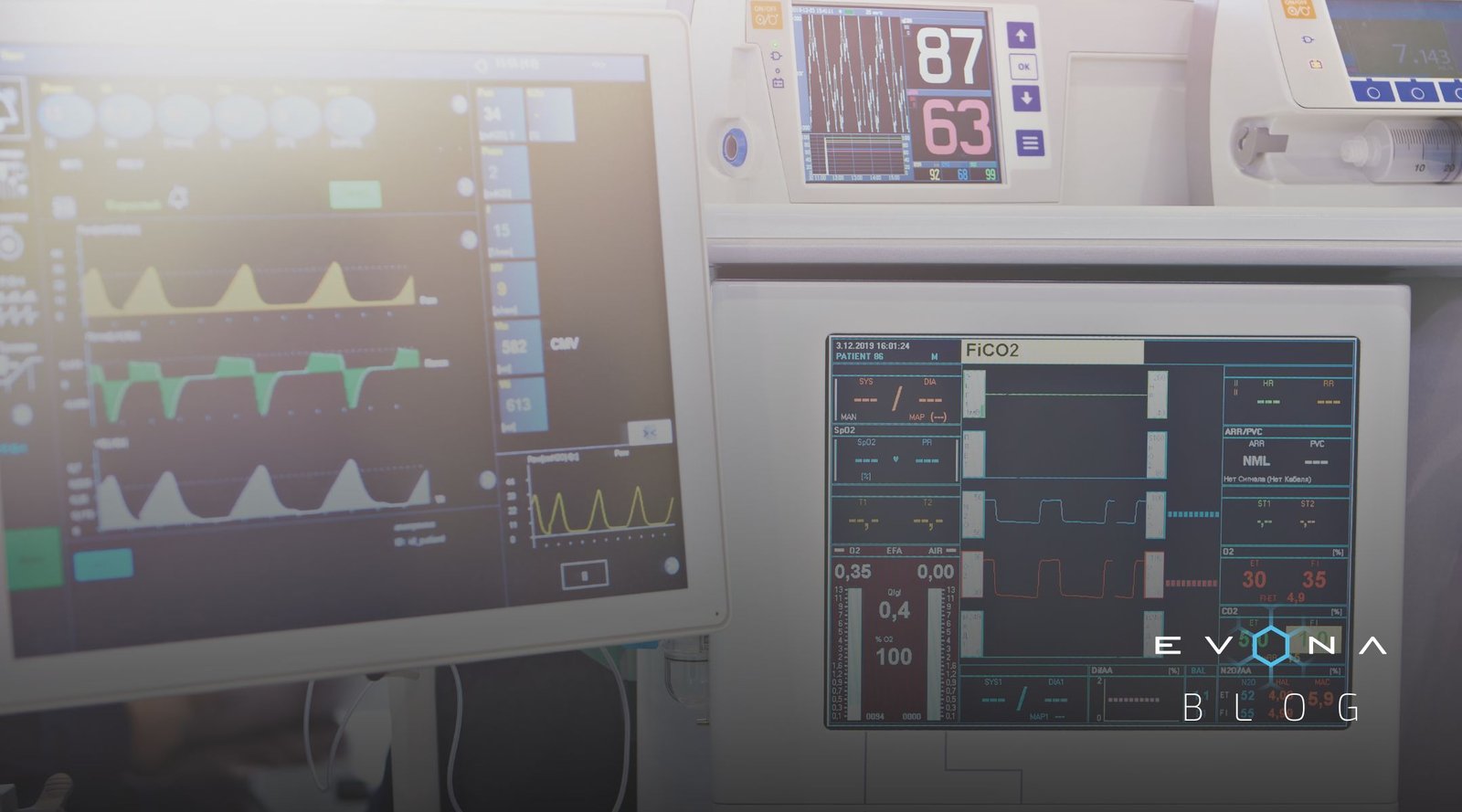
 Medical device development and space exploration, at first glance, might appear worlds apart. However, they share several significant challenges such as stringent standards for equipment, the need for compact and efficient designs, and the necessity for remote operability. As a result, expertise from the medical device industry is finding growing relevance in the space sector.
 Professionals in the medical device industry come with a wealth of technical skills that are highly applicable in the space industry:
 Soft skills honed in the medical device industry are also invaluable within the space sector:
 Recognizing the need for a smoother transition for professionals across industries, EVONA, the leading space industry staffing specialist, plays a critical role. With a strong reputation for connecting exceptional talent with cutting-edge projects in the space sector, we stand as an invaluable partner for medical device professionals seeking to leverage their skills in the space industry.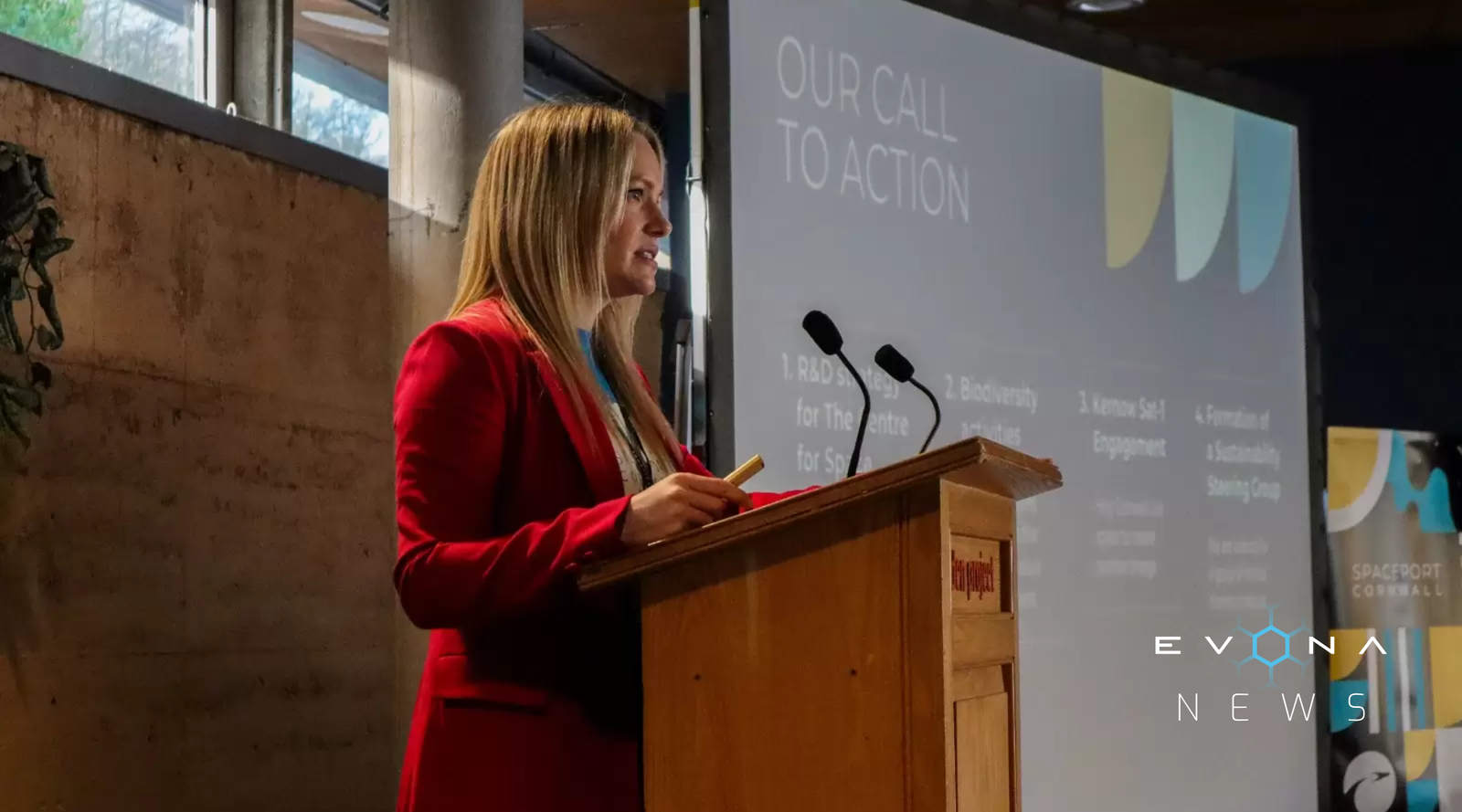
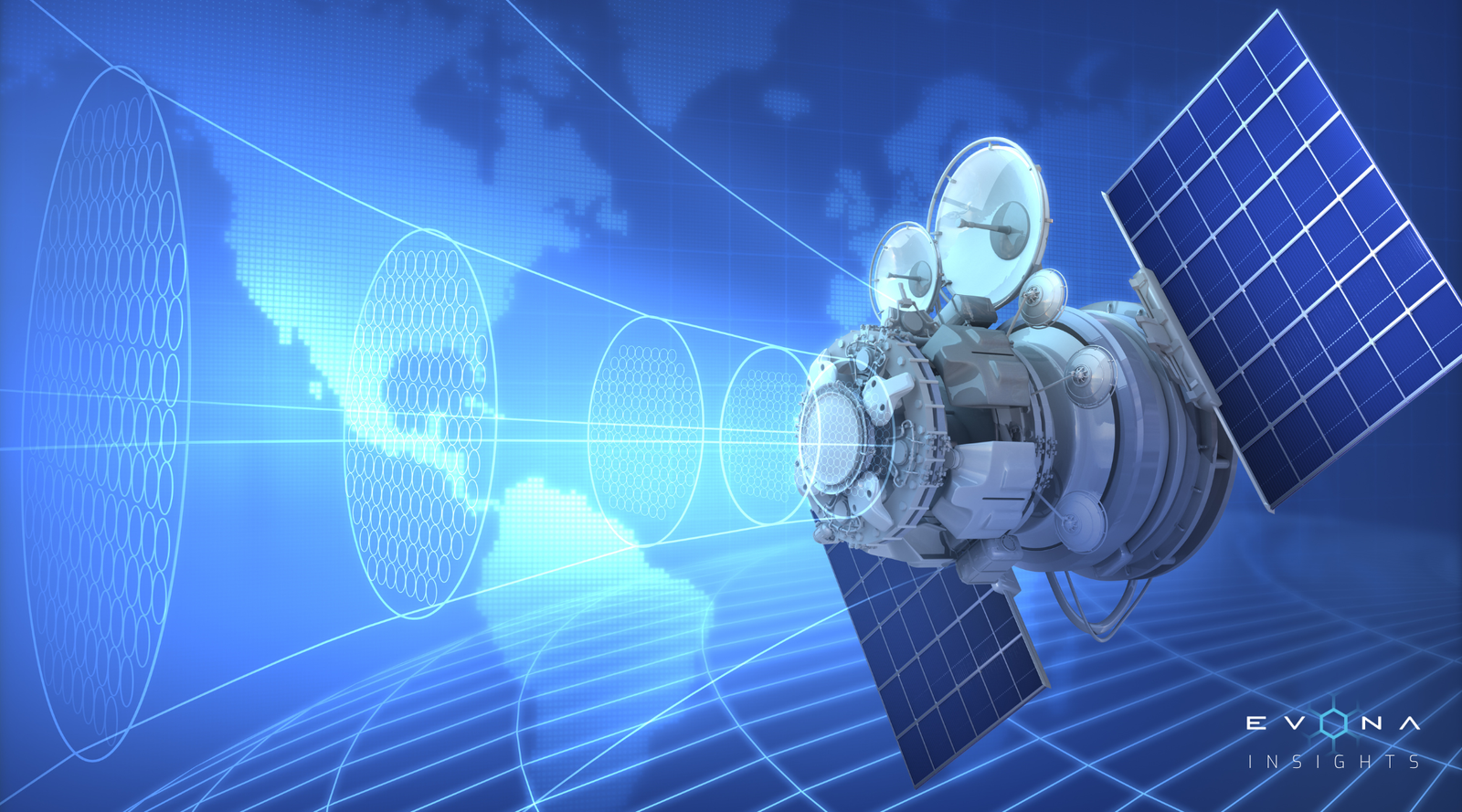
 Listed as 21.8% of SATCOM companies’ top field of study, electrical and electronics engineering is the bedrock of SATCOM. Electrical engineers are the trailblazers who design, develop and manage the components essential to the operation of satellites. This includes power systems, telemetry devices, and other components, all of which are built to perform consistently in the harsh, unforgiving realities of space. Alongside them, electronics engineers masterfully craft miniature circuits and devices, optimising satellite weight and size while amplifying functionality. Together, this discipline forms a vanguard that consistently pushes technological boundaries in SATCOM.
 Computer science, at 14.1%, is an indispensable cornerstone in the SATCOM industry. It’s computer scientists who design and optimise the intricate algorithms and data structures that satellites rely on for their operation. They work tirelessly to ensure secure and efficient communication between space and earth, maintaining the integrity and accessibility of the massive amounts of data satellites handle. With their expertise, satellites become more than hunks of metal in orbit—they become sophisticated instruments capable of advancing humanity’s reach and understanding.
 With a substantial 9.8%, computational science – not to be confused with computer science – plays a pivotal role in the SATCOM industry. Computational science is an interdisciplinary field that uses computer science techniques, mathematical models, and simulations to solve complex problems in various scientific disciplines. It involves the practical application of computer science and mathematics to real-world problem solving. This discipline leverages the power of computational tools to simulate and solve complex physical problems associated with satellite communications. By creating models of intricate situations and systems, computational scientists offer invaluable insights into satellite design, performance optimisation, and risk mitigation. They are the analytical powerhouses who help us navigate the complexities of creating and managing advanced satellite systems.
 Mechanical engineering, standing firm at 9.8%, brings pragmatism to the innovative world of SATCOM. These engineers concentrate on the physical systems within a satellite, focusing on aspects like thermal control and mechanical structures that maintain the satellite’s physical integrity. Their work ensures that satellites can withstand the harsh conditions of space for extended periods, thereby enhancing the longevity and reliability of our space-based communication networks.
 Carrying a significant 9.5% of the weight, Aerospace, Aeronautical, and Astronautical Engineering builds the backbone of the SATCOM industry. These talented engineers design, construct, and test the spacecraft that eventually transform into our communication satellites. They are the bridge between theoretical designs and tangible, functioning satellites, their work allowing us to reach beyond the confines of our planet and into the celestial unknown.
 Holding 7.3% of the field, specialists in computer systems networking and telecommunications ensure that our planet remains interconnected. They design and implement the networks that facilitate seamless communication between satellites and earth stations. Their efforts transform a collection of individual devices into an integrated global web, keeping the world linked, no matter how remote the location.
 At 7.3%, specialists in electronics are indispensable to the SATCOM sector. These experts are responsible for the intricate electronic components that keep satellites functional. Through their meticulous work, they ensure that every signal, every byte of data, is transmitted and received correctly, enabling a symphony of seamless communication that spans the globe.
 Industrial engineers, also at 7.3%, bring a unique and practical perspective to the SATCOM industry. Their role is to enhance operational efficiency and cost-effectiveness within the sector. They ensure processes are streamlined, resources optimised, and that the production and operation of satellites remain economically viable. Their ingenuity in creating sustainable and efficient systems is a crucial contributor to the long-term growth and environmental responsibility of the industry.
 Finally, accounting for 7% of specialities, telecommunications engineering is vital to the efficient operation of SATCOM systems. These engineers manage the precious spectrum resources, promoting their efficient and effective usage. Their mastery prevents a chaotic scramble for bandwidth and ensures orderly, reliable communication channels.
 Kick-starting your career in the exciting realm of SATCOM is an exhilarating prospect, and having EVONA as your partner can give you a significant advantage. As a leading specialist in space industry staffing, we have an intimate understanding of the industry and a deep network of connections with innovative organisations driving SATCOM evolution.



 1 . Podcasts:
 2 . Global E-commerce:
 3 . Virtual Fitness Classes:
 4 . Home Security Systems:
 5 . Language Learning Apps:
 6 . Smartwatch Updates:
 7 . International Video Calls:
 8 . Power Outage Notifications:
 9 . Finding Lost Pets:
 10 . Watching Live Space Launches:
 Satellite forecasting plays a pivotal role in disaster management by providing early warnings, mapping vulnerable areas, and supporting post-disaster relief and recovery. The real-time, accurate data facilitated by advanced satellite forecasting and geo-intelligence helps in informed decision-making, reduces disaster risk, and enhances resilience.
  Satellite technology is transforming
  Satellites provide invaluable data for understanding long-term climate trends. By monitoring variables such as temperature variations, sea ice extent, ocean currents, and greenhouse gas concentrations, scientists can analyze climate patterns and make predictions about future climate change. This information is crucial in shaping sustainable policies and strategies to mitigate the impact of
  Accurate weather forecasts are essential for the safety and efficiency of aviation and maritime operations. Satellite data provides real-time information on cloud cover, turbulence, wind patterns, and sea conditions. This information allows pilots, ship captains, and navigation systems to plan routes, optimize fuel consumption, and circumnavigate hazardous weather conditions.