What is Space Engineering?
Space engineering is a specialized field of engineering that focuses on the design, development, and operation of systems and technologies related to space exploration, satellite communications, and space-based research. Space engineering involves a combination of engineering disciplines, including electrical engineering, mechanical engineering, and computer science, as well as a strong foundation in physics and mathematics.
Space engineering is different from other engineering fields because it requires a high level of technical expertise and specialized knowledge of the unique challenges and conditions that exist in the space environment. These challenges include extreme temperature fluctuations, the vacuum of space, high levels of radiation, and the need to design systems that can function independently without the support of Earth-based infrastructure.

Why is Engineering Important in the Space Sector?
Engineering for space is important because it enables us to explore and understand the universe in which we live. Space engineering involves the design, development, and operation of technologies and systems related to space exploration, satellite communications, and space-based research. Space engineering plays a vital role in our ability to study other planets and celestial bodies, gather scientific data about the universe, and advance our understanding of the laws of physics and the nature of the cosmos.
Space engineering also has many practical applications that benefit society. For example, satellite technology is used for a wide range of purposes, including telecommunications, weather forecasting, and GPS navigation. In addition, the knowledge and technologies developed through space engineering have led to numerous spin-off technologies that have had significant impacts on our daily lives, such as the development of lightweight materials and advanced computer systems.
What are some of the major breakthroughs in Space Engineering?
There have been many difficult problems that space engineers have had to solve over the years. Some examples of challenging problems that have been successfully addressed by space engineers include:

- Developing reliable propulsion systems that can power spacecraft and launch vehicles to escape Earth’s gravity and travel through the solar system.
- Designing spacecraft that can withstand the extreme temperatures, radiation, and vacuum of space, as well as the forces of launch and re-entry into the Earth’s atmosphere.
- Developing ways to sustain life and support human missions in space, including systems for life support, thermal control, and waste management.
- Creating technologies for satellite communication and navigation, such as GPS, that can function reliably in the harsh conditions of space.
- Developing robots and automated systems that can perform tasks and conduct research on other planets and in the solar system.
- Developing space-based telescopes and other instruments that can observe the universe and gather scientific data in the unique environment of space.
Who are some notable Space Sector Engineers?
There have been many famous space engineers throughout history who have made significant contributions to the field of space exploration and technology. Here are a few examples:
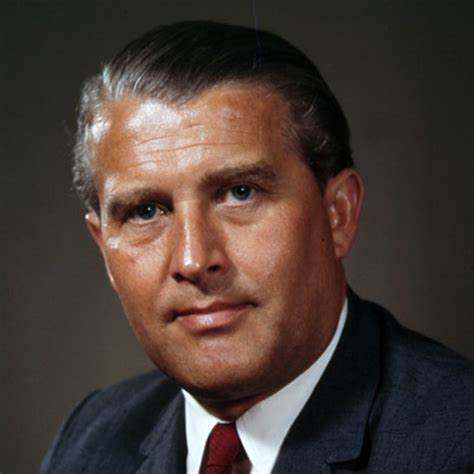
Wernher von Braun:
A German-American aerospace engineer who played a key role in the development of the Saturn V rocket, which propelled the Apollo spacecraft to the moon.

Sergei Korolev:
A Soviet rocket engineer and spacecraft designer who is considered the father of practical astronautics. He oversaw the development of the first intercontinental ballistic missile as well as the first satellite, Sputnik, and the first manned spacecraft, Vostok.

Robert H. Goddard:
An American rocket scientist and inventor who is considered the father of modern rocketry. He developed the first liquid-fuelled rocket and made many important contributions to the development of rocket technology.

Margaret Hamilton:
An American computer scientist and systems engineer who led the team that developed the on-board flight software for the Apollo lunar missions.

Bill Nye:
An American science communicator, television host, and mechanical engineer who is known as the “Science Guy.” He has worked on a number of space-related projects, including the design of a sundial that was used on the Mars rover, Curiosity.
What major issues are space engineers still trying to solve?
Space engineers are currently working on a range of challenging problems that have the potential to advance our understanding of the universe and our place in it. These problems include developing more efficient and reliable propulsion systems for spacecraft, designing spacecraft that can withstand the harsh conditions of deep space, developing technologies for sustainable human habitation in space, creating advanced robots and automated systems, improving satellite communication and navigation technologies, developing space-based telescopes and other instruments, investigating the feasibility of mining resources from other celestial bodies, and developing methods for mitigating the impact of space debris on spacecraft and satellites. Each of these challenges presents its own unique set of technical and logistical obstacles, and the solutions that space engineers are working on have the potential to bring many practical benefits to society.
What are the current and future trends in Space Engineering?
There are several current and future trends in space engineering that are worth noting.
Some of the key trends include:
Increased commercialization of space.
There is growing interest in the development of space-based technologies and services for commercial applications, such as satellite communications, remote sensing, and space tourism. This trend is likely to continue in the future as more companies enter the space industry.
Advances in propulsion technology.
There is ongoing research into the development of more efficient and reliable propulsion systems for spacecraft, including the use of non-chemical propulsion technologies such as electric and plasma propulsion.
Miniaturization of satellites.
There is a trend towards the development of smaller and more cost-effective satellite systems, which are easier and less expensive to launch into space.
Increased use of robotics and automation.
There is growing interest in the use of robots and automated systems for tasks such as satellite servicing, space debris removal, and planetary exploration.

Development of space-based manufacturing and resource utilization.
There is research into the feasibility of manufacturing products in space and utilizing resources from other celestial bodies, such as asteroids, for commercial purposes.
Exploration of the solar system and beyond.
There is continued interest in exploring the solar system and beyond, with a focus on missions to destinations such as Mars and the moon.
Increased collaboration among space agencies and private companies.
There is a trend towards increased collaboration among space agencies, private companies, and international partners in order to share resources and expertise and achieve common goals.
Do I need a space specific engineering degree to get into the sector?
In order to become a space engineer, you typically need to have a strong foundation in engineering and a specific area of expertise that is relevant to space exploration and technology. Many space engineers hold degrees in engineering disciplines such as electrical engineering, mechanical engineering, or computer science, and some also have advanced degrees in physics or mathematics.
It is possible to become a space engineer without studying space engineering specifically, but it is generally recommended that you gain a broad education in engineering and related fields and develop a strong foundation in the principles and concepts that are relevant to space engineering. This could include taking courses in topics such as spacecraft design, propulsion systems, satellite communication and navigation, and space-based instrumentation. You may also want to consider gaining practical experience through internships or co-op programs at companies or research organizations that are involved in space-related activities.

What could I expect to do day to day as a Space Engineer?
The day-to-day tasks of a space engineer will vary depending on their specific job duties and the stage of a project they are working on. In general, however, space engineers may be involved in activities such as:
- Designing and developing spacecraft, satellite systems, and other space-related technologies.
- Analysing and modelling the performance of spacecraft and satellite systems using computer simulations and other tools.
- Testing and evaluating prototypes of spacecraft and satellite systems to ensure that they meet performance and safety requirements.
- Participating in the development of mission plans and objectives for space exploration and satellite missions.
- Collaborating with other engineers, scientists, and technicians to solve technical problems and identify solutions.
- Managing projects and coordinating the work of other team members.
- Keeping up to date with developments in the field of space engineering through research and professional development activities.
- Communicating technical information to non-technical audiences through reports, presentations, and other mediums.

A Space Engineer is a challenging and rewarding career that offers many benefits, including the opportunity to work on exciting and challenging projects, the chance to make a difference in the world, a strong job market, the opportunity to work with a talented and dedicated team, and the opportunity for personal and professional growth. Space engineering has the potential to bring many practical benefits to society, such as improving satellite communication and navigation, advancing our understanding of the universe, and enabling the exploration of other planets and celestial bodies. If you have a strong foundation in engineering and a passion for space exploration and technology, becoming a space engineer might be the right career choice for you.
Check out our jobs page to find the ideal job for you.

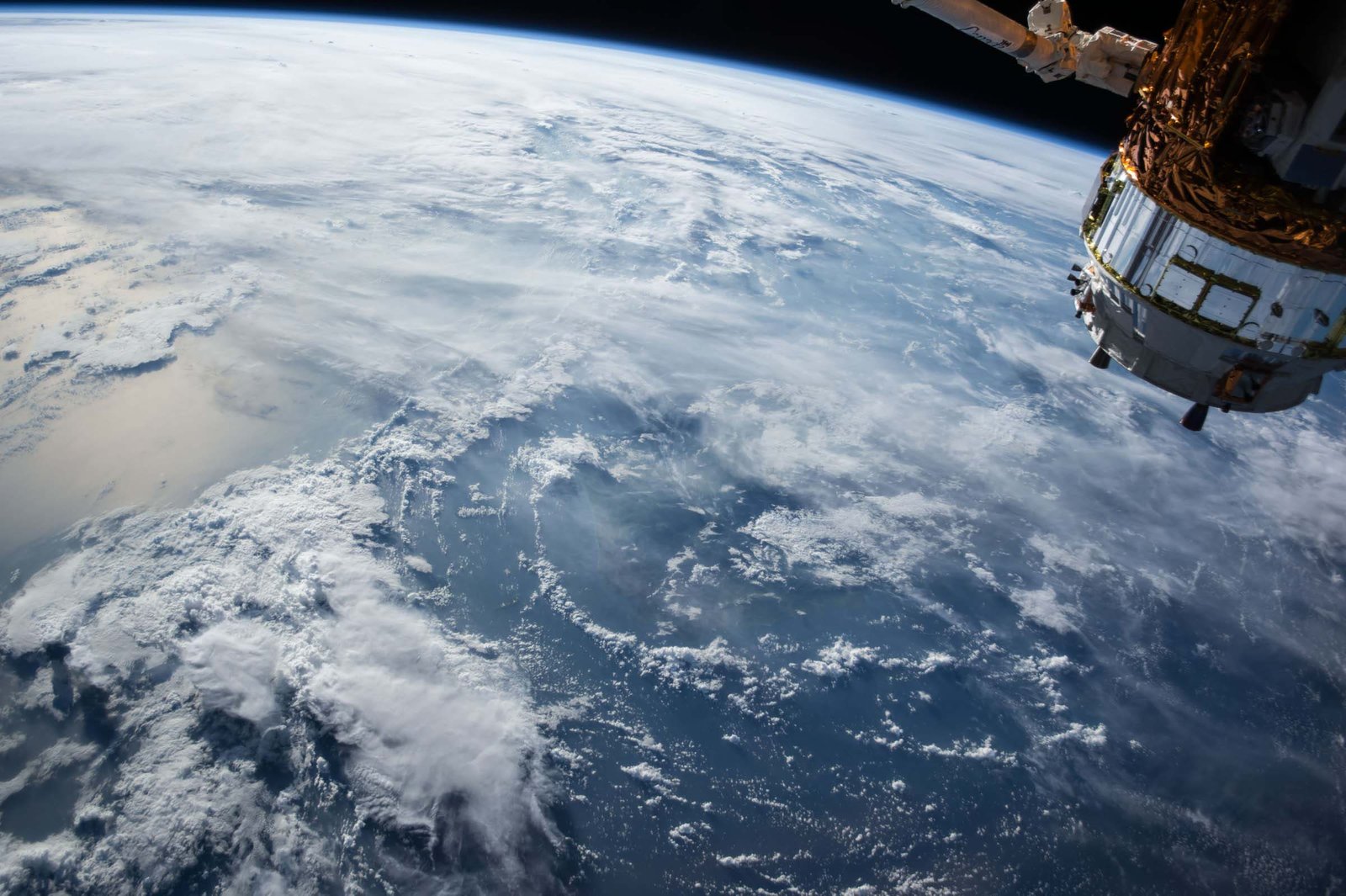
 Recognizing the value of their unique skill sets and attributes, the sector is eager to tap into this talent pool, offering an array of exciting career opportunities for those transitioning from military service.
 Veterans have already honed their skills working with cutting-edge technologies that directly support military objectives and mission goals. Their innate ability to adapt, think critically, and maintain an agile mindset is especially relevant for roles such as avionics technicians, aircraft mechanics, and systems engineers. This experience allows them to hit the ground running, reducing the need for extensive training and accelerating their integration into the workforce.
 Many veterans already have hands-on experience with the same aircraft that leading aerospace organizations own and develop, highlighting the seamless integration of their technical acumen and soft skills. These individuals’ hands-on approach and expertise in diagnostics and manual tasks make them indispensable as aerospace mechanics, a critical role in maintaining vehicles vital to national security. Additionally, their potential experience with Unmanned Aerial Vehicles (UAVs) and advanced radar systems would allow them to contribute to the development of innovative aerospace technologies that will shape the industry’s future.
 Due to the nature of their work, aerospace organizations are often based in remote environments, such as the Californian desert. With many deployable roles on offer, some staff could find them stationed in a hotel in Germany for one month, then spending the next three in a tent on an airfield in Angola, living off ration packs with limited facilities. Ex-military personnel are well-versed in working on a shift basis and adapting to deployments worldwide. They possess security clearance and have acclimated to challenging and extreme conditions. This adaptability is an essential quality within the aerospace industry.
 Making the leap from military service to the civilian workforce can seem daunting, but the right support makes all the difference. By engaging with a specialist staffing agency, veterans can unlock their potential in the aerospace sector, streamlining the process and achieving their career goals.