

Where we are now

The idea of Space Tourism feels like something out of a futuristic sci-fi film but the reality is that it’s been around for almost 20 years. Some may recall American businessman, Dennis Tito, becoming the first civilian tourist to visit the International Space Station in 2001. Tito’s trip to space cost him a colossal 20 million dollars, meaning at that price, going into space would remain a dream only to be experienced through films and stories for most of us.
The concept of space tourism evokes a sense of awe and wonder, igniting excitement and fascination within us. This burgeoning industry has gained momentum in recent years, and for valid reasons. For generations, the idea of journeying beyond the confines of Earth’s atmosphere into the boundless expanse of space has captivated the human imagination. With recent technological progress, this aspiration is no longer limited to astronauts and scientists alone, and the prospect of it is enough to entice anyone.
A 20 million dollar space holiday?
Space tourism may seem like a luxury only afforded by the super-rich, but it’s not just about money. It’s an opportunity for anyone to experience something truly unique, awe-inspiring and life-changing. The appeal of space tourism is undeniable, a chance to see the world from a completely different perspective, to feel weightlessness and witness the beauty of our planet from a distance.
According to recent surveys, interest in space tourism is not limited to the wealthy, with 38% of luxury travellers expressing interest in taking a space flight for recreational purposes. Among luxury travellers aged 16-34, that figure rises to an astounding 58%.
The mere thought of space tourism can evoke a sense of wonder and excitement. For many, it’s a chance to realise childhood dreams and experience something that was once unimaginable. It’s a chance to leave behind the mundane and experience the extraordinary. The possibilities of space tourism are endless, from suborbital flights to orbital flights, to staying in space hotels and even commercial space stations.
In this article, we will delve into the world of space tourism, exploring its history, current state, key players and what the future may hold. We will discuss the benefits and challenges of space tourism, its impact on society and the economy, and the ethical and environmental concerns that come with it. So, buckle up and prepare for lift-off as we embark on a journey to the final frontier.
The Space Tourism Market
 Space tourism is an industry that has been growing rapidly in recent years, with the potential to become one of the most lucrative industries in the world. While the industry is still in its infancy, the demand for space travel is growing, and it is expected to continue to expand at a annual growth rate of 40.2% from 2023 to 2030. In 2022, the global space tourism market was valued at USD 695.1 million, and it is projected to reach USD 8,669.2 million by 2030.
The government end-user segment is also expected to grow at a CAGR of 37% from 2022 to 2030. In the United States, North America led the overall market in 2022, with a market share of 38.6%. The region has a well-established infrastructure that has allowed for the speedier implementation of modern technologies, and the presence of an extensive research and development base.
There are two types of space tourism: sub-orbital and orbital.
Suborbital Spaceflight
The sub-orbital segment dominated the market in 2022, accounting for 49.3% of the overall market share and aims to reach an altitude of over 300,000 feet, reaching the Karman line, which is the benchmark to define where outer space begins. Currently there are two major players competing in this field, Virgin Galactic, part of Richard Branson’s empire and Blue Origin, run by Amazon’s billionaire founder Jeff Bezos. Both of the companies’ systems are rocket-powered and capable of carrying up to six passengers on a flight. Virgin has completed four successful flights however recently filed for bankruptcy after failing to find funding, Blue origin however has now flown 32 passengers on the New Sheppard alongside a number of uncrewed flights carrying payloads onboard.
Orbital Spaceflight
Unlike suborbital spaceflight which gives passengers a few minutes in space at an altitude of 300,000 feet, orbital spaceflight goes much further than this. Passengers are likely to spend between a few days in space up to over a week at an altitude of over 1.3 million feet. The final quarter of 2021 is likely to be a huge for tourists in orbital spaceflight, with two major companies Space Adventures and Axiom Space announcing up to nine seats to orbit available for purchase by either individuals or organizations.
The sub-orbital segment dominated the market in 2022, accounting for 49.3% of the overall market share. The orbital segment, on the other hand, is expected to witness the fastest growth of 41.0% throughout the forecast period. The demand for space tourism is expected to continue to grow in the coming years, as the cost of space travel decreases and more people become interested in the experience.
Current Space Tourism Competitors and Missions
Whilst still relatively new the space tourism industry already has several key players:
- SpaceX
- Blue Origin
- Orion Span
- Boeing
- Zero-G
- Space Adventure
- Zero 2 Infinity
- World View
- Space Perspective
- Nanoracks
- Axiom
These companies are working to develop new technologies and services that will make space travel more accessible and affordable for a broader market.
 In 2021, entrepreneur Jared Isaacman organized the Inspiration4 mission, the world’s first all-civilian mission, which demonstrated the growing interest in space tourism. This mission was a significant step towards making space travel more accessible to the general public, being that there were no professional astronauts onboard.
More recently NASA funded three companies to develop commercial space stations, totaling $415M. Blue Origin received $130 million, Nanoracks received $160 million, and Northrop Grumman Systems Corporation received $125.6 million. These developments help support growing demand for space tourism, providing the necessary infrastructure to support it.
Where is Space Tourism Booming?
North America is leading the way in the space tourism market, with a well-established infrastructure and an extensive research and development base. Europe, although behind America in the market, is also showing potential in the space tourism industry, with the U.K. government pledging £2 million to fund horizontal space launches from the country. The U.K. has emerged as a region leader for spaceports, which could then transition into more opportunities for space tourism in Europe. However, the COVID-19 pandemic and the war in Ukraine have been detrimental to building the European space tourism market, with space activities and funding being diverted elsewhere. To keep up with the US, Europe needs to scale launch capabilities
Why is Space Tourism expected to be so popular?
 Space tourism is becoming more popular because it offers an entirely new and unique experience that cannot be found on Earth. While traditional luxury holidays on Earth may offer relaxation and entertainment, space tourism offers a transformative experience that can change a person’s perspective and understanding of the world.
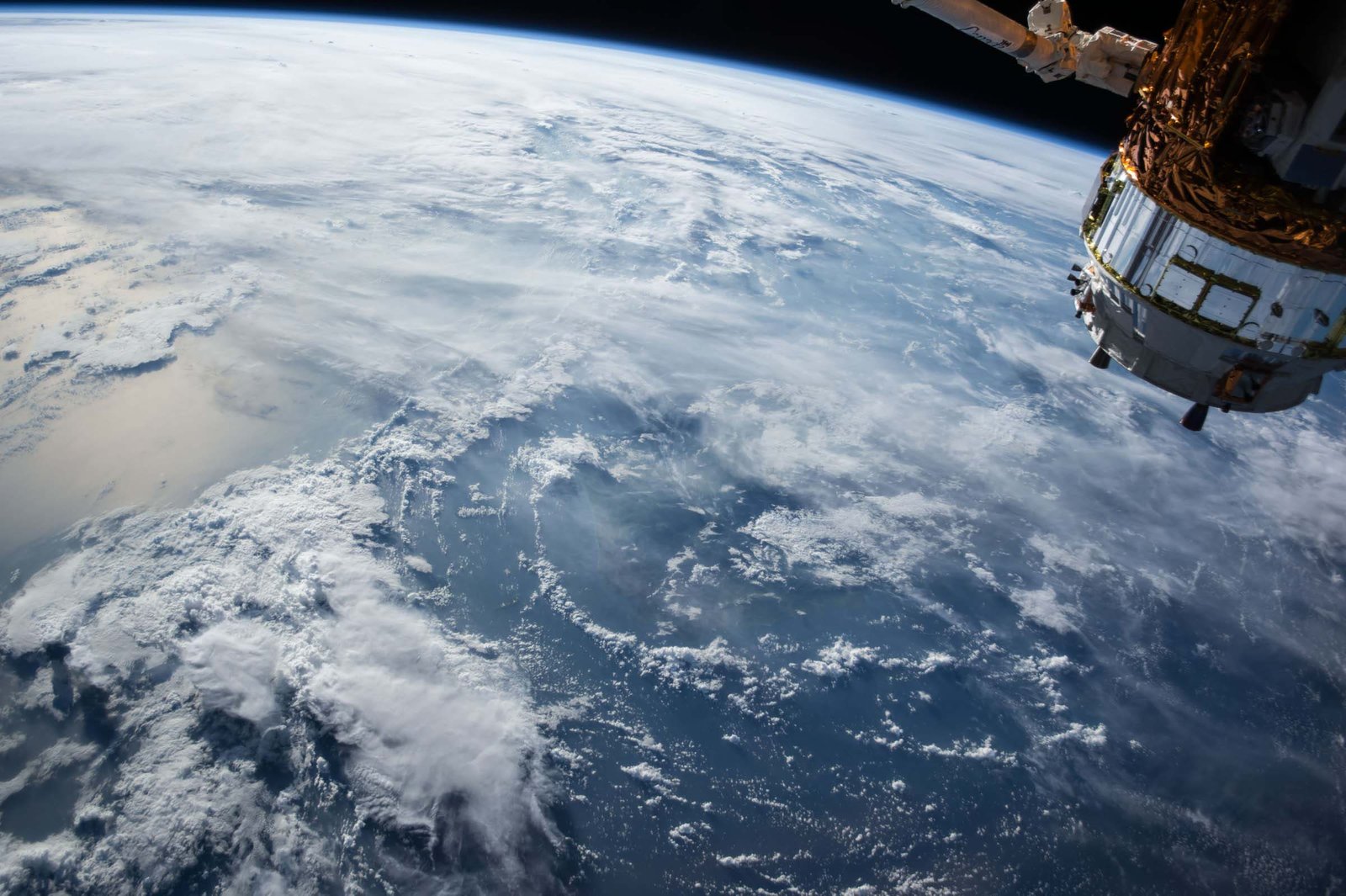
Going to space provides an opportunity to witness the beauty of the Earth from a completely different perspective. It allows one to see the planet as a whole, and to appreciate the fragile and interconnected nature of all life on Earth. The experience of weightlessness and the sensation of floating in space is also something that very few people have ever experienced, which makes it an incredible and unforgettable experience.
Choosing to go to space over an expensive holiday on Earth is a personal decision, but it offers a once-in-a-lifetime experience that cannot be replicated elsewhere. It provides an opportunity to break free from the monotony of everyday life and to embark on a truly unique adventure that can inspire personal growth and self-discovery. Furthermore, it offers an opportunity to contribute to the advancement of space exploration, science, and technology, which has the potential to benefit all of humanity in the long run.
But space tourism is not without its challenges…
While space tourism offers exciting opportunities, there are also some potential drawbacks and negative effects to consider.
Environmental Impact: Space tourism can have a negative impact on the environment. Launching spacecraft and rockets require a lot of energy and can produce significant amounts of air and noise pollution. These emissions can contribute to climate change and harm the atmosphere.
Safety Concerns: Space travel is still a dangerous endeavor, and accidents can happen. Despite safety protocols, there is always the risk of something going wrong, and the consequences of a mishap could be catastrophic.
Cost: At present, space tourism is an expensive venture that is accessible only to the wealthy. As a result, many people will not be able to experience space travel, which can create feelings of inequality and elitism.
Space Debris: Every launch of a spacecraft generates debris that can stay in orbit for many years, and as the number of space launches increases, the amount of debris grows. This debris can cause problems for other spacecraft, and even small debris can cause damage.
Resource Depletion: Space travel requires a vast amount of resources, including energy, fuel, and materials. The depletion of these resources could have long-term consequences and could negatively impact the environment and the availability of resources for future generations.
Legal Issues: The legal framework for space tourism is still evolving, and it is unclear who will be held responsible if something goes wrong. There are also concerns about the impact of space tourism on international space laws and treaties.
The industry must ensure safety and sustainability, avoiding the mistakes of the past and building a foundation for the future. Including continuing to invest in research and development and ensuring that space travel becomes more accessible and affordable for all.
So What’s Next?
Space Hotels
 Whilst we may be closer to achieving regular space travel and a booming space tourism industry but what’s next?
Plans involving orbital spaceflight will require tourists to stay at the International Space Station, the only habitable structure in space at the moment but many companies are looking beyond this. Space hotels are likely to be the next venture for many to support the space tourism sector. One company, Orion Span, has developed plans for the first-ever “affordable” luxury space hotel called ‘Aurora station’. Orion Span is looking to launch in 2021 and start welcoming guests in 2022. This doesn’t mean the opportunity will be available to many of us with the expected cost of a 12-day stay on the ‘Aurora station’ coming to $9.5 million, quite literally a price that’s out of this world. Still, that’s a lot less than orbital tourists have paid in the past, as all of the seven private citizens that took trips to ISS each payed an estimated $20 million to $40 million per trip.
One small step for hotels… one giant leap for hotel life. Not only are space companies looking to venture into space hotels but giant hotel booking company Hotels.com. Launching the first online travel site, ‘offering future hotel bookings in space and reward earthlings with the ultimate out of this world travel escape’. Featuring space robes and slippers, intergalactic room service, solar lobbies, holographic wake-up calls, meteor mini bar, zero gravity space deck, pool and bar, which have all been imagined through beautiful renders of a space hotel on their galactic booking website.
Whilst space hotels like this may be a long way off until then there’s plenty of options to have an out of this world experience in one of these space themed hotels. Here’s our top five:
Top 5 Space Theme Hotels on Earth
 The Space Odyssey Suite at Sunset Inn & Suites, Clinton, Illinois, USA
The website says : Experience the feeling of flying among the stars as you enjoy the comfort of your Serenity Latex Mattress, specially designed for your spaceship bed. The triangular whirlpool bath glows softly under the stars from a multitude of different galaxies as you enjoy watching movies on your Plasma Screen Television. The DVD provided ensures you can watch all the Star Wars movies you’re able to while staying with us.
The steam shower is equipped with the “Raindancer Shower” which is almost as good as having a masseuse in the room with you. Your wet bar comes complete with a microwave, refrigerator and coffeemaker so you will not have to leave your spaceship until you are done exploring the universe and are ready to return to Earth! Your mission, should you decide to accept it, is to enjoy your outer space experience and boldly go where no others have gone before.
Outer space room with Seaview balcony at Gold Coast Hotel, Hong Kong
The website says: Journey to a different galaxy in the Outer Space Room, where different planets hang from a ceiling of stars and a full space mural encourages a voyage for both the young and the young at heart. Little guests can sleep and play in their miniature bed, while adults can seek much-deserved rest in a giant crater bed.
Fantasy Land Hotel, Edmonton, Alberta, Canada
The website says: 5, 4, 3, 2, 1, Blast-off! Explore the universe in our new Space Theme room and enjoy the amenities.
Pengheng Space Capsules Hotel, Shenzhen, China
Offering what is likely the most of the this world experience, this hotel pushes the boundaries of design and futurism. This exciting space themed hotel has done away with rooms and features a sleeping capsule mimicking life in space. Not only this, the hotel is staffed entirely by robots so maybe the designs fromHotel.com aren’t so farfetched after all!
The Executive suite at the Kameha Grand Zurich Hotel, Switzerland
 Your LinkedIn headline and summary are among the first things recruiters see when they visit your profile. Keep your headline clear and concise, focusing on your specialization and expertise. For example, “mechanical engineer specializing in robotics and automation.”
 LinkedIn allows you to list your skills, which can be endorsed by your connections. Highlight your technical and soft skills, such as programming languages, project management, and communication. Ensure your top skills are prioritized and update them as you gain new expertise.
 A strong recommendation from a former colleague or supervisor can make a significant impact on your LinkedIn profile. Reach out to people you’ve worked with in the past and ask if they’d be willing to write a recommendation highlighting your technical abilities, work ethic, and collaboration skills.
 Networking is crucial for engineering job seekers. Connect with recruiters, hiring managers, and fellow engineers in your field. Attend industry events and join LinkedIn groups to engage with other professionals and stay updated on industry trends.
 Establish yourself as an industry expert by regularly sharing and engaging with relevant content. Post articles, whitepapers, or industry news related to your engineering field. Participate in discussions and offer insights and opinions. This not only showcases your expertise but also keeps you informed about the latest trends and developments.
 To increase your visibility on LinkedIn, optimize your profile for search by incorporating relevant keywords related to your engineering specialization, skills, and experience. This will improve your chances of being found by recruiters and hiring managers searching for candidates with your expertise.
 A growth mindset is the belief that you can develop and improve your skills and intelligence through hard work and dedication. Embrace a growth mindset and be open to learning new things. Don’t be afraid to take on new challenges, and be willing to learn from your mistakes.
 Continuous learning is essential for staying relevant in a changing job market. You need to keep up with new trends, technologies, and techniques in your field. Attending workshops, conferences, and online courses can help you learn new skills and keep your knowledge up-to-date. Additionally, you can join professional organizations and networking groups to stay connected with others in your industry and learn from their experiences.
 Transferable skills are skills that are useful in multiple jobs and industries. Developing
 Networking is crucial in a changing job market. Connect with professionals in your industry, attend networking events, and join professional associations. Building relationships can help you stay up-to-date on the latest industry news and trends, and may even lead to new job opportunities.
 Technology is rapidly transforming the job market, and it’s essential to embrace new technologies and tools. This may involve learning new software, using social media to build your professional brand, or leveraging data to make informed decisions. Staying up-to-date with the latest technology trends can help you stay ahead of the competition.
 The space industry is constantly evolving, and it’s essential to stay up-to-date on the latest technologies and advancements. Keep an eye on emerging technologies like reusable rockets, satellite constellations, and space tourism.
 Building a
 Contract hires, by nature, require a high level of expertise and flexibility to adapt to the dynamic needs of the space industry. Partnering with a staffing specialist allows organizations to access a pool of highly skilled and experienced professionals who are equipped to handle the unique challenges of contract positions. This ensures that your organization can meet project deadlines and achieve mission objectives while minimizing downtime and maintaining a competitive edge.
 The space industry is highly specialized, with a unique set of workforce requirements. A staffing partner with expertise in this sector can offer invaluable insights into current and future industry trends, ensuring your contract hires align with your organization’s long-term vision. Moreover, they can pinpoint the most sought-after skills and qualifications, empowering you to make informed decisions when selecting candidates for contract positions.
 Hiring contract professionals can be time-consuming and resource-intensive. Collaborating with a staffing partner alleviates the burden on your internal HR team, allowing them to focus on other crucial aspects of your business. Staffing specialists possess the necessary infrastructure and resources to manage the entire hiring process, from candidate sourcing to onboarding, ensuring a seamless and efficient experience for both your company and the contract hires.
 Contract hires offer the flexibility and scalability required to adapt to the dynamic landscape of the space industry. A staffing partner can help your organization swiftly adjust to fluctuations in project demands and staffing needs, ensuring that you have the right talent in place when it’s most critical. Whether it’s a short-term project or a long-term contract, a staffing specialist can quickly connect you with the ideal candidates to help you achieve your goals.
 A diverse and inclusive workforce is not only an ethical imperative but also a proven driver of innovation and business success. However, the space industry has historically faced challenges in attracting and retaining a diverse talent pool. Staffing partners with specialist knowledge in overcoming these barriers can play a vital role in promoting diversity and inclusion within your organization.
 The space industry is subject to numerous regulations and legal requirements. A staffing partner with expertise in this sector can help ensure your organization remains compliant with relevant laws and industry standards. This may include assistance with visa applications, work permits, or navigating international hiring laws. By outsourcing these complex tasks to a specialist, your organization can focus on its core business functions, mitigating potential legal risks and ensuring a smooth hiring process.
 Networking in the space industry is not only beneficial but also necessary. The industry is relatively small and specialized, and the more connections you make, the better your chances of securing a job. Having a network of industry professionals can provide you with access to job opportunities, valuable insights, and insider knowledge.
 Professional associations are another fantastic way to build a professional network. Joining an association in your field can help you connect with like-minded individuals, gain access to industry resources, and participate in networking events. Many associations also have
  Social media platforms such as
  Mentors are another essential aspect of building a professional network in the space industry. A mentor is someone who can provide guidance and support as you navigate your career. Seek out individuals in your field who have experience and expertise, and ask if they would be willing to mentor you. Mentors can provide valuable insights, advice, and connections that can help you advance your career.
 Attending conferences is an excellent way to stay updated on the latest trends, developments, and best practices in one’s industry. Conferences bring together professionals from various fields, providing an opportunity to network, collaborate, and exchange ideas. Attending conferences also helps individuals gain insights into new technologies, tools, and techniques, which they can apply in their work. Additionally, conferences offer a chance to hear from industry leaders and experts, providing inspiration and motivation for career growth. Conferences are also a great opportunity for individuals to showcase their expertise in their field. Attending a conference as a speaker or panelist can help individuals gain recognition and establish themselves as thought leaders. Conference attendance and participation can be listed on a resume or
  Taking courses is another way to keep oneself updated and acquire new skills. Online courses have made professional development accessible to everyone, regardless of their location or schedule. Individuals can enrol in courses that cover various topics, such as leadership, project management, digital marketing, or coding, among others. Taking courses also helps individuals demonstrate their commitment to their careers, which can make them stand out to employers. Online courses offer flexibility, allowing individuals to learn at their own pace and on their own schedule. They also provide an opportunity for individuals to learn from industry experts, who may not be accessible in their day-to-day work environment. Online courses often offer certifications or badges upon completion, which can be added to a resume or LinkedIn profile, showcasing an individual’s skills and expertise.
 Seeking out new challenges is essential for professional development. Individuals should not become complacent in their roles and should always look for opportunities to grow. This could mean volunteering for new projects, taking on additional responsibilities, or seeking out roles in other departments. By taking on new challenges, individuals can develop new skills, gain valuable experience, and show their willingness to take on more significant roles. Seeking out new challenges also shows initiative and can lead to career advancement. When individuals take on new projects or responsibilities, they demonstrate their abilities to their managers and colleagues. This can lead to increased visibility within the organization, as well as opportunities for career advancement.
 Professional development provides individuals with the opportunity to connect with other professionals in their field. By attending conferences, workshops, and networking events previously mentioned, individuals can build relationships with colleagues and industry leaders. Networking can lead to numerous benefits, including
  Finally, professional development can help individuals increase their earning potential. By acquiring new skills and knowledge, individuals become more valuable to their employer. This can lead to promotions, salary increases, and bonuses. Additionally, by staying competitive in one’s field, individuals can position themselves for new job opportunities that offer higher salaries and better benefits. For example, a software developer who has expertise in a new programming language, such as
 The space industry is all about pushing the boundaries of what is possible. Creativity is highly valued, as professionals must be able to think outside the box, develop unique solutions, and push the limits of technology. Innovative approaches to problem-solving, from designing new spacecraft to exploring new avenues of scientific research, are also essential.
 The space industry is a challenging and high-pressure field, with significant risks and uncertainties. Professionals must be resilient, able to handle setbacks and failures, and bounce back quickly from adversity. They should also be able to adapt to uncertainty, maintain focus on project objectives, and work under extreme conditions, such as in space. The ability to stay calm under pressure, reassess priorities, and make sound decisions in the face of challenges is crucial for success.
 Clear and concise communication is essential in a constantly evolving field like the space industry. Professionals must convey complex scientific and technical concepts to colleagues, stakeholders, and the general public. Cultural awareness and the ability to communicate effectively across different languages and perspectives are critical to success.
 The space industry is highly collaborative, with experts from various fields working together to achieve common goals. Effective teamwork is critical to success in this field, where projects involve multiple stakeholders, tight deadlines, and complex schedules. The ability to work effectively in diverse, interdisciplinary teams is critical in the space industry.
 The space industry is constantly evolving, and professionals must be able to adapt to changing circumstances and work in dynamic environments. This requires a high degree of adaptability, flexibility, and the ability to learn new skills quickly. The ability to adapt to challenging and hazardous environments, such as in space or in remote locations on Earth, is also essential.
 Problem solving is a critical skill in the space industry, where professionals must tackle complex and often unprecedented challenges. The ability to approach problems systematically, think creatively, and develop innovative solutions is highly valued in this field. Professionals should also be able to think critically and assess risks, as even the smallest mistake can have significant consequences.
 In the space industry, where precision is critical, attention to detail is essential in all aspects of work, from engineering design to data analysis. Professionals must be meticulous and thorough in their work to ensure that every detail is accounted for, errors are minimized, and safety is maintained.
 Effective time management is critical in the space industry, as projects often involve multiple stakeholders, tight deadlines, and complex schedules. Professionals must prioritize tasks, work efficiently, and meet deadlines to deliver successful outcomes. The ability to multitask and manage competing priorities is essential.
 Leadership skills are highly valued in the space industry, where professionals are often tasked with overseeing teams, managing projects, and making critical decisions. Strong leaders are able to inspire and motivate team members, set clear objectives, and provide guidance and support to ensure the successful completion of projects.
 Emotional intelligence, otherwise known as Emotional Quotient (EQ), is the ability to understand and manage one’s own emotions, as well as the emotions of others. In the space industry, where teamwork and collaboration are essential, high EQ is crucial for building strong relationships, managing conflicts, and maintaining a healthy work environment.
 As we become increasingly reliant on space-based technologies in our daily lives, the demand for professionals in STEM fields (Science, Technology, Engineering, and Mathematics) is only set to grow. The applications of space technology are ubiquitous and diverse, from weather forecasting and GPS navigation to telecommunications and environmental monitoring. Therefore, pursuing a career in STEM is not only an excellent way to be a part of an exciting and ground-breaking industry but also a smart career choice for the future.


 Artificial Intelligence and Machine Learning: Enabling advancements in automation, robotics, and natural language processing.
 Industry 5.0 has fostered transformative advancements in the space industry, unlocking new possibilities for exploration, communication, and resource utilization. The fusion of AI, advanced manufacturing technologies, and innovative materials has led to significant improvements in various aspects of the space industry, making space more accessible and sustainable.
 Industry 5.0 will have a profound impact on various aspects of our lives, from sustainability and education to healthcare and governance. As AI and automation continue to transform the job market, the emphasis will be placed on creativity, critical thinking, and adaptability, ensuring that humans remain a vital part of the workforce. Industry 5.0 will also raise complex questions about privacy, security, and the ethical use of technology, requiring new governance and ethical frameworks. Ensuring equitable access to technology, education, and resources will be crucial to avoid exacerbating existing disparities and to promote a more inclusive society.