

Burnout is a growing problem in the workplace, affecting employees across all industries and job types.
It can leave you feeling exhausted, stressed, and unmotivated, which can impact your job performance and personal life. If you’re experiencing burnout, it’s important to take steps to address it before it gets worse.
It can be caused by a range of factors, including long working hours, high workloads, a lack of support, and a lack of control over one’s work. Burnout can have serious consequences, including decreased productivity, increased absenteeism, and even long-term health problems.
In this article, we will explore some tips and strategies that can help you deal with burnout at work.
-
Recognize the Signs of Burnout
 The first step in dealing with burnout at work is to recognize the signs. Burnout can manifest in different ways, but common symptoms include:
- Chronic fatigue or exhaustion
- Lack of motivation or interest in work
- Decreased job performance
- Irritability or mood swings
- Increased absenteeism or tardiness
- Physical symptoms such as headaches or stomach aches
If you’re experiencing any of these symptoms, it may be a sign of burnout. Don’t ignore these warning signs; instead, take action to address them and improve your work life.
-
Identify the Causes of your Burnout
The second step in dealing with burnout at work is to identify the causes. What is causing you to feel stressed, overwhelmed, or drained? Is it the workload, the work environment, the people you work with, or something else? Once you identify the causes, you can start to address them.
-
Prioritize Self-care
Taking care of yourself is essential when dealing with burnout. Make sure you are getting enough sleep, eating a healthy diet, and exercising regularly. You should also take breaks throughout the day to recharge and do activities that you enjoy outside of work.
-
Seek Support
 Dealing with burnout can be challenging, but you don’t have to do it alone. Seeking support from friends, family, or a mental health professional can help you manage stress and find effective coping strategies. Additionally, consider talking to your supervisor or HR department about your burnout to explore solutions such as a workload reduction or time off.
-
Set Boundaries
Setting boundaries is important in preventing burnout. Make sure you are not taking on too much work and that you are delegating tasks when possible. It’s also important to set limits on your availability outside of work hours, such as not checking email or taking work calls during your personal time.
-
Take time off
If you are experiencing severe burnout, taking time off may be necessary. Use this time to rest, recharge, and focus on your well-being. Consider taking a vacation, sabbatical, or even a mental health day.
-
Reassess your Goals and Priorities
 Sometimes burnout is a sign that you need to reassess your goals and priorities. Take some time to reflect on what is most important to you and what you want to achieve in your career. This can help you regain a sense of purpose and motivation.
-
Practice Mindfulness
Mindfulness practices, such as meditation or deep breathing, can help you manage stress and reduce burnout. Incorporate these practices into your daily routine to help you stay grounded and focused.
-
Reduce Stress
 Stress is a major contributor to burnout, so it’s essential to manage stress effectively. Here are some tips for reducing stress:
- Take breaks throughout the day to recharge
- Practice deep breathing or meditation to calm your mind
- Exercise regularly to release endorphins and reduce tension
- Use time management techniques to prioritize tasks and reduce overwhelm
- Set boundaries to avoid overworking or taking on too much responsibility
-
Improve Your Work-Life Balance
Achieving a healthy work-life balance is essential for preventing burnout. Here are some strategies for improving your work-life balance:
- Set realistic expectations for yourself
- Prioritize self-care activities such as hobbies or spending time with loved ones
- Use your vacation time to recharge and disconnect from work
- Avoid working outside of work hours unless it’s an emergency
- Consider flexible work arrangements such as telecommuting or a compressed workweek
Dealing with burnout can be difficult, but it’s essential to prioritize your well-being and take steps to address it.
By recognizing the signs of burnout, reducing stress, improving your work-life balance, and seeking support, you can overcome burnout and improve your overall health and happiness at work.
Fancy a change – check out our jobs board to find your perfect role.


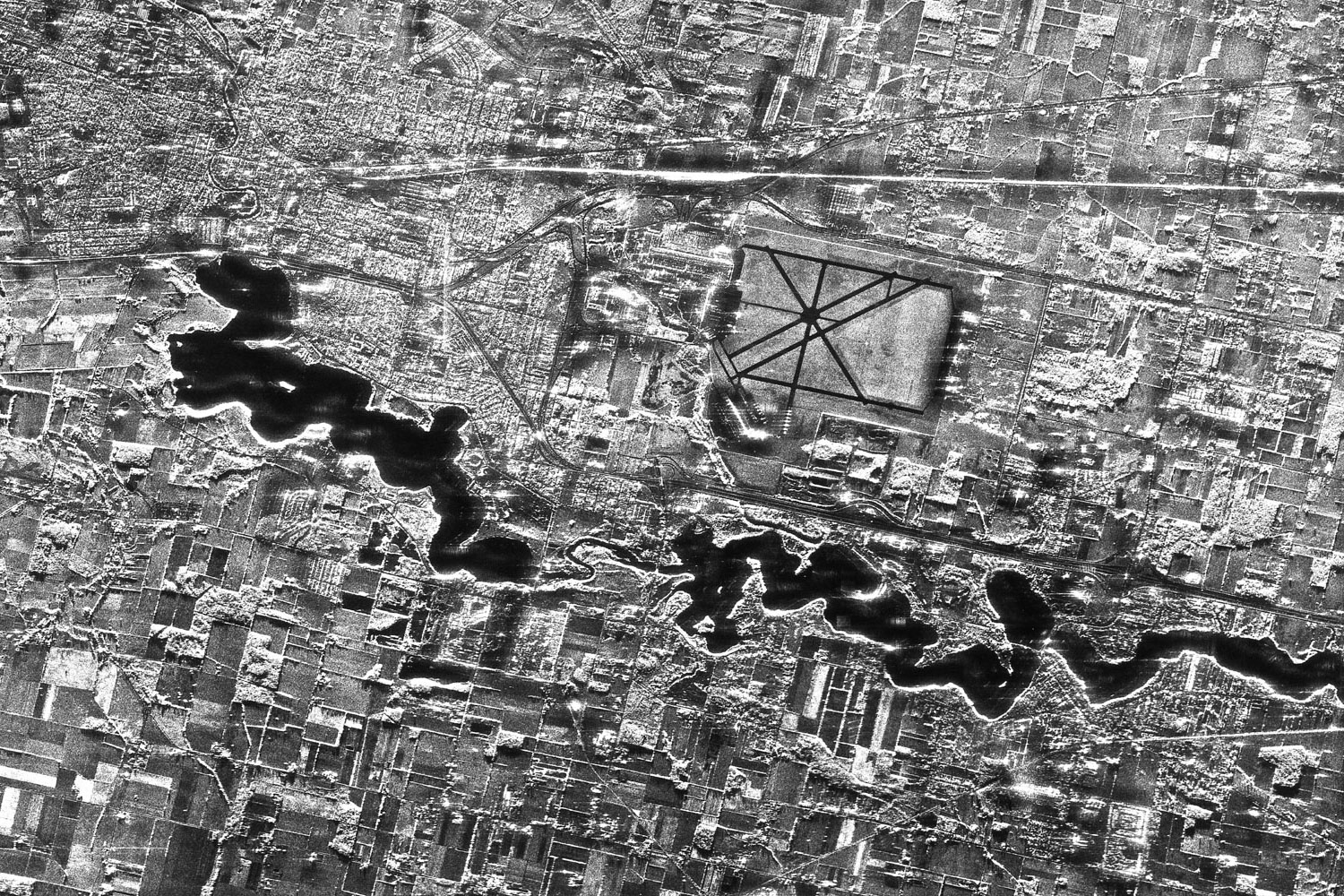 Radar allows us to see through clouds, rain, trees and in the dark thanks to the long wavelength of radio waves, in comparison to the shorter light waves used by traditional satellites. These radio waves are emitted through an antenna, or aperture, with the radar image’s resolution depending on the size of the antenna to the size of the wavelength. This means that for radio waves, a larger antenna is needed to create the same high-resolution images. This creates challenges if you want to launch your radar on a satellite to image large distant areas at a time. That’s where SAR satellites come in.
 Nano satellites are far more affordable to launch into orbit compared to traditional satellites. They cost significantly less in both the development and launch stages and can be launched in large numbers at the same time. This makes them ideal for carrying out scientific research, communications, or observation missions in space.
 Nanosatellites differ offer several advantages over traditional large satellites, also known as macro-satellites. One of the most notable differences is size. Microsatellites are significantly smaller and weigh less than traditional large satellites, which can weigh several tons. On top of making them easier and cheaper to launch, this smaller size also allows for faster development, with microsatellites able to be developed and launched in a fraction of the time it takes to develop traditional satellites.
 Space debris is caused by a combination of factors including anti-satellite weapons, collisions, rocket stages, explosions in orbit caused by leftover fuel and batteries, and human activity.
 Collisions with debris have already caused significant damage to the International Space Station, as well as other vital satellites. With more launch activity taking place than ever before – over 4850 reported in January 2022 – the probability of collisions is rising.

 While both Python and JavaScript are popular programming languages, they are used for different purposes. JavaScript is primarily used for front-end web development, while Python is used for a wide range of tasks, including back-end web development, scientific computing, and data analysis. One of the key differences between the two languages is their syntax, with Python known for its clear and concise code. This makes it easier for those with less technical backgrounds to learn and use, making it a great choice for both beginners and experienced programmers.
 Python is a fantastic career option that offers numerous exciting prospects for proficient professionals who aspire to succeed in the space sector and beyond. As Python is increasingly being used across multiple industries, it has become an indispensable skill that can give you a competitive edge in today’s job market. So if you’re looking for a lucrative career that can offer stability and growth, Python is a great choice. To get ahead of the curve in this competitive industry, check out our
  Geospatial data is a type of data used to identify the geographic location of an object or feature on the Earth’s surface. It is often used in mapping, navigation, and location-based services, as well as in geographic information systems (GIS) for a variety of applications. It is the basis of many decisions we make in our daily lives, from the route we take to work to the store we shop at.
 Geospatial data also plays a crucial role in monitoring and tracking changes in the Earth’s climate, such as temperature, precipitation, and sea level rise. By utilising geospatial data, scientists and policymakers can predict future changes in the climate and understand the potential impacts of these changes. This information is vital for making informed decisions about how to mitigate and adapt to climate change.
 One of the most popular career paths within the field is that of a geospatial analyst. Geospatial analysts use their understanding of the technology to study satellite imagery, aerial photographs, and other data sources to create visual representations of terrain and identify potential areas of interest. They also use geospatial data to map population distributions, track the spread of disease, and provide intelligence to governmental agencies and private businesses.
 The mining industry is responsible for pollution on a huge scale. It contaminates our air, water, and soil, destroying entire landscapes through the use of toxic chemicals such as chlorine, sulphuric acid and cyanide. In addition to producing harmful by-products, these processes are quickly adding to Earth’s resource depletion issue.
 One issue is cost – travelling into deep space is expensive. While there is little doubt about its benefits for sustainability, asteroid mining is not profitable enough yet. Regardless of how much an asteroid’s materials are worth on Earth, the price of getting to it and returning the resources could eclipse this figure. Considering the high initial investment cost, as well as the time it would take for a return on this, investors can be reluctant to get involved. To be truly profitable, space mining operations would need to be scaled up massively.
 A satellite is a device that is launched into space to orbit the Earth or other celestial bodies. From providing communication and navigation services to helping us observe the Earth, satellites have become an integral part of our lives. They are used to collect and transmit data and images, among many other types of information. Satellites are used for a variety of purposes, including communication, navigation, surveillance, monitoring of natural disasters, and weather forecasting.
 Satellites play an important role in the exploration and utilisation of space. They are used to observe our planet, explore other planets and objects in space, monitor climate and weather patterns, communicate with spacecraft, and provide navigation assistance, to name a few.
 Satellites play a critical role in monitoring and studying the Earth’s environment, and their benefits are numerous. With their advanced capabilities, satellites can provide us with valuable information on weather and climate conditions, as well as help us understand the impact of human activities on the planet.
 DevOps is used to help organizations develop, deliver and maintain software faster and more efficiently. It is a combination of software engineering, operations, automation, and monitoring tools that allow teams to collaborate and automate processes. DevOps helps to improve the speed and quality of delivery, as well as reduce the cost of development.
 Agile and DevOps are two popular methodologies in software development that aim to improve the efficiency, speed, and quality of software delivery. However, there is often confusion about the differences between the two, as they are frequently used interchangeably.

 A payload is a term used to describe the portion of a spacecraft or rocket that is responsible for achieving the mission’s primary objectives. Payloads can be scientific instruments, communication equipment, or any other specialized equipment that is needed for the mission.
 In addition to their scientific applications, payloads have also been used for a variety of practical purposes. Communication satellites, for example, are used to provide a vital link for global communication and entertainment. These satellites are used for television, radio, and internet communications, and play a crucial role in our daily lives. Weather satellites are another type of payload that has had a significant impact on humanity. These satellites are used to monitor and predict weather patterns around the world, which has helped to improve the accuracy of weather forecasts and enabled us to better prepare for extreme weather events. Learn more about the ways satellites benefit humanity in