Professional development is a crucial aspect of career growth. The landscape of every industry is continuously changing, and individuals must keep themselves updated to stay relevant and advance in their careers. Ongoing professional development helps individuals acquire new skills, broaden their knowledge, and stay ahead of the curve. This can lead to improved job performance, increased efficiency, and better results.
In this article, we will discuss the importance of professional development for career growth.
Improving your job performance
One of the primary benefits of professional development is the ability to improve job performance. By learning new skills and techniques, individuals can work more efficiently and effectively, leading to better quality work, increased productivity, and higher job satisfaction. Additionally, professional development is essential for staying competitive in today’s fast-paced world, as industries evolve, and new technologies emerge. By continuously improving their skills and knowledge, individuals can position themselves as a valuable asset to their employer and increase their job security, job opportunities, and earning potential. Let’s explore in greater depth why improving your skills and knowledge, attending conferences, and taking courses is a wise decision.
Enhancing your skills and knowledge
Professional development provides individuals with the opportunity to learn new skills and gain knowledge that can be used to perform their job more effectively. This is particularly important in today’s rapidly changing world, where new technologies, methodologies, and best practices emerge frequently. By attending training programs, workshops, and conferences, individuals can learn about the latest developments in their field, acquire new skills, and hone existing ones. For example, a marketing professional might attend a workshop on social media marketing to learn about the latest trends and best practices in the field. Enhancing one’s skills and knowledge can lead to improved job performance, increased efficiency, and better results. It can also make individuals more valuable to their employer, potentially increasing their chances of being promoted or receiving a salary increase.
Attending Conferences
Attending conferences is an excellent way to stay updated on the latest trends, developments, and best practices in one’s industry. Conferences bring together professionals from various fields, providing an opportunity to network, collaborate, and exchange ideas. Attending conferences also helps individuals gain insights into new technologies, tools, and techniques, which they can apply in their work. Additionally, conferences offer a chance to hear from industry leaders and experts, providing inspiration and motivation for career growth. Conferences are also a great opportunity for individuals to showcase their expertise in their field. Attending a conference as a speaker or panelist can help individuals gain recognition and establish themselves as thought leaders. Conference attendance and participation can be listed on a resume or LinkedIn profile, demonstrating an individual’s commitment to professional development.
Taking Courses
Taking courses is another way to keep oneself updated and acquire new skills. Online courses have made professional development accessible to everyone, regardless of their location or schedule. Individuals can enrol in courses that cover various topics, such as leadership, project management, digital marketing, or coding, among others. Taking courses also helps individuals demonstrate their commitment to their careers, which can make them stand out to employers. Online courses offer flexibility, allowing individuals to learn at their own pace and on their own schedule. They also provide an opportunity for individuals to learn from industry experts, who may not be accessible in their day-to-day work environment. Online courses often offer certifications or badges upon completion, which can be added to a resume or LinkedIn profile, showcasing an individual’s skills and expertise.
Seeking Out New Challenges:
Seeking out new challenges is essential for professional development. Individuals should not become complacent in their roles and should always look for opportunities to grow. This could mean volunteering for new projects, taking on additional responsibilities, or seeking out roles in other departments. By taking on new challenges, individuals can develop new skills, gain valuable experience, and show their willingness to take on more significant roles. Seeking out new challenges also shows initiative and can lead to career advancement. When individuals take on new projects or responsibilities, they demonstrate their abilities to their managers and colleagues. This can lead to increased visibility within the organization, as well as opportunities for career advancement.
Staying competitive in your field
Professional development is essential for staying competitive in today’s fast-paced world. As industries evolve and new technologies emerge, it is critical to stay up-to-date with the latest developments. By continuously improving skills and knowledge, individuals can stay ahead of the curve and position themselves as a valuable asset to their employer.
For example, a graphic designer might attend a conference on design trends to stay current with the latest styles and techniques. Similarly, a project manager might attend a training program on agile project management to stay up-to-date with the latest methodologies. Staying competitive in one’s field can lead to greater job security, more job opportunities, and increased earning potential.
Building your network
Professional development provides individuals with the opportunity to connect with other professionals in their field. By attending conferences, workshops, and networking events previously mentioned, individuals can build relationships with colleagues and industry leaders. Networking can lead to numerous benefits, including new job opportunities, new clients, and increased visibility in the industry. Additionally, it can be an excellent source of support and advice, particularly during challenging times.
Increasing your earning potential
Finally, professional development can help individuals increase their earning potential. By acquiring new skills and knowledge, individuals become more valuable to their employer. This can lead to promotions, salary increases, and bonuses. Additionally, by staying competitive in one’s field, individuals can position themselves for new job opportunities that offer higher salaries and better benefits. For example, a software developer who has expertise in a new programming language, such as python, might be able to command a higher salary than a developer who does not. Investing in professional development can lead to significant returns in terms of career growth, job satisfaction, and earning potential. It is an excellent way for individuals to take control of their careers and realize their full potential.
The Importance of Professional Development in the Space Industry:
The space industry is one of the most exciting and rapidly growing industries in the world, with new developments and innovations happening every day. To stay relevant in this industry, individuals must keep themselves updated on the latest trends, technologies, and techniques. Professional development plays a crucial role in the space industry, as it helps individuals stay ahead of the curve and contribute to the growth and development of the industry.
Attending space industry-specific conferences is an excellent way to stay updated on the latest developments and network with other professionals in the field. The International Astronautical Congress (IAC), for example, is the largest annual gathering of space professionals in the world. Attending the IAC provides individuals with the opportunity to learn about the latest space industry trends, network with industry leaders, and explore potential career opportunities.
Taking courses in space-related fields, such as aerospace engineering or astrophysics, can also be beneficial for those interested in the space industry. These courses provide individuals with the technical knowledge and skills required to succeed in this field. Additionally, seeking out new challenges within the space industry, such as working on new space missions or contributing to the development of new technologies, can help individuals advance in their careers and make valuable contributions to the industry.
In conclusion, ongoing professional development is essential for career growth and success, particularly in industries that are rapidly evolving, such as the space industry. Attending conferences, taking courses, and seeking out new challenges are all crucial components of professional development.
By committing to ongoing learning and growth, individuals can stay ahead of the curve, acquire new skills, and contribute to the advancement of their industry.
The space industry, a realm of innovation and remarkable technology, offers boundless opportunities for those eager to uncover the universe’s secrets.
To excel in this fast-paced field, professionals must bring more than technical know-how and academic qualifications to the table. Soft skills are vital in navigating the complexities of the space industry, encouraging collaboration, and spurring innovation. As humanity continues to explore the vast and mysterious expanse of the cosmos, those equipped with these skills will play a vital role in shaping our understanding of the universe and expanding the frontiers of human knowledge.
Creativity and Innovation
The space industry is all about pushing the boundaries of what is possible. Creativity is highly valued, as professionals must be able to think outside the box, develop unique solutions, and push the limits of technology. Innovative approaches to problem-solving, from designing new spacecraft to exploring new avenues of scientific research, are also essential.
In the space industry, where technological advancements occur at a rapid pace, professionals need to be able to envision new possibilities and develop groundbreaking technologies that contribute to the field’s advancement. They should be open to experimenting with different ideas and be willing to take risks, even if it means experiencing failure. Embracing a creative mindset can lead to the development of novel solutions that drive the industry forward.
Resilience and Adaptability to Uncertainty
The space industry is a challenging and high-pressure field, with significant risks and uncertainties. Professionals must be resilient, able to handle setbacks and failures, and bounce back quickly from adversity. They should also be able to adapt to uncertainty, maintain focus on project objectives, and work under extreme conditions, such as in space. The ability to stay calm under pressure, reassess priorities, and make sound decisions in the face of challenges is crucial for success.
Resilience is not only about overcoming setbacks but also about learning from them and using that knowledge to improve future endeavors. Adaptability to uncertainty is equally important, as space exploration often involves navigating uncharted territories, where professionals must respond to unforeseen challenges and adjust their plans accordingly.
Effective Communication
Clear and concise communication is essential in a constantly evolving field like the space industry. Professionals must convey complex scientific and technical concepts to colleagues, stakeholders, and the general public. Cultural awareness and the ability to communicate effectively across different languages and perspectives are critical to success.
In addition to strong written and verbal communication skills, professionals in the space industry must also possess excellent listening skills. They need to be able to absorb, process, and synthesize information from multiple sources to make informed decisions. Furthermore, they should be able to present ideas and solutions persuasively, fostering buy-in from stakeholders and ensuring that projects are executed efficiently and effectively.
Collaboration and Teamwork
The space industry is highly collaborative, with experts from various fields working together to achieve common goals. Effective teamwork is critical to success in this field, where projects involve multiple stakeholders, tight deadlines, and complex schedules. The ability to work effectively in diverse, interdisciplinary teams is critical in the space industry.
Professionals must be able to cooperate with colleagues from different backgrounds, share knowledge and resources, and combine their expertise to achieve the best possible outcomes. They should also be able to manage conflicts, negotiate effectively, and build trust among team members to ensure harmonious and productive working relationships.
Adaptability and Flexibility
The space industry is constantly evolving, and professionals must be able to adapt to changing circumstances and work in dynamic environments. This requires a high degree of adaptability, flexibility, and the ability to learn new skills quickly. The ability to adapt to challenging and hazardous environments, such as in space or in remote locations on Earth, is also essential.
Space professionals should be open to change, receptive to new ideas, and willing to update their knowledge and skills as the industry evolves. They must be comfortable with ambiguity and able to adjust their approaches to problem-solving as new information and technologies become available. Embracing change and adapting to new situations can help professionals stay at the forefront of the industry and maintain a competitive edge.
Creative Problem Solving
Problem solving is a critical skill in the space industry, where professionals must tackle complex and often unprecedented challenges. The ability to approach problems systematically, think creatively, and develop innovative solutions is highly valued in this field. Professionals should also be able to think critically and assess risks, as even the smallest mistake can have significant consequences.
Creative problem-solving involves the ability to view issues from multiple angles, identify patterns, and synthesize information to arrive at unique solutions. Space professionals must be skilled in breaking down complex problems into manageable components, evaluating potential solutions, and implementing the most effective strategies. This ability can make the difference between mission success and failure, and it is indispensable in the space industry.
Attention to Detail
In the space industry, where precision is critical, attention to detail is essential in all aspects of work, from engineering design to data analysis. Professionals must be meticulous and thorough in their work to ensure that every detail is accounted for, errors are minimized, and safety is maintained.
Attention to detail is especially important when working with intricate systems and machinery, as even minor oversights can have catastrophic consequences. Space professionals must possess a keen eye for detail and the ability to identify potential issues before they escalate. By carefully reviewing their work, as well as the work of their colleagues, they can help ensure the success of projects and the safety of personnel.
Time Management and Organization
Effective time management is critical in the space industry, as projects often involve multiple stakeholders, tight deadlines, and complex schedules. Professionals must prioritize tasks, work efficiently, and meet deadlines to deliver successful outcomes. The ability to multitask and manage competing priorities is essential.
Space professionals should be adept at setting clear goals, establishing realistic timelines, and allocating resources effectively. They must also be capable of juggling multiple tasks simultaneously, without compromising the quality of their work. Strong organizational skills can help professionals keep projects on track, prevent delays, and ultimately contribute to the success of the mission.
Leadership and Management
Leadership skills are highly valued in the space industry, where professionals are often tasked with overseeing teams, managing projects, and making critical decisions. Strong leaders are able to inspire and motivate team members, set clear objectives, and provide guidance and support to ensure the successful completion of projects.
Effective leaders in the space industry must possess excellent communication skills, the ability to delegate tasks, and the foresight to anticipate and address potential challenges. They should also be adept at managing risks, making informed decisions, and fostering a culture of innovation and continuous improvement. In a rapidly evolving field, strong leadership can make the difference between a thriving organization and one that struggles to keep up.
Emotional Intelligence
Emotional intelligence, otherwise known as Emotional Quotient (EQ), is the ability to understand and manage one’s own emotions, as well as the emotions of others. In the space industry, where teamwork and collaboration are essential, high EQ is crucial for building strong relationships, managing conflicts, and maintaining a healthy work environment.
Space professionals with high emotional intelligence are better equipped to empathize with their colleagues, navigate interpersonal dynamics, and adapt their communication style to suit different situations. They are also more effective in managing stress and maintaining a positive attitude, even in the face of challenges and setbacks. By fostering strong emotional intelligence, professionals in the space industry can enhance their own performance and contribute to the overall success of their teams and organizations.
By developing and refining these essential soft skills, space professionals can advance their careers and contribute to the growth and success of the industry. These skills are vital for tackling complex challenges and driving innovation, as well as for building strong relationships and fostering effective teamwork.
As the space industry continues to expand and evolve, professionals who possess these crucial soft skills will be at the forefront of shaping its future. They will play a vital role in unlocking the mysteries of the universe, making ground-breaking discoveries, and contributing to the betterment of humanity as a whole.
The importance of these skills in the space industry cannot be overstated, and those who possess them are well-positioned to make a significant impact in this exciting and ever-changing field.
We’ve said it before, and we’ll say it again; Space isn’t all Astronauts and Rocket Scientists.
There are thousands of different roles in the space sector, and whilst STEM leads the way, there truly is a place for everyone.
Considering a Career in STEM?
The space sector is a fascinating and rapidly growing industry that offers a multitude of career opportunities for professionals with different backgrounds and skill sets. Despite its perceived exclusivity, the space industry is a multidisciplinary field that encompasses a broad range of professions, from satellite design and space tourism to climate monitoring and asteroid mining.
As we become increasingly reliant on space-based technologies in our daily lives, the demand for professionals in STEM fields (Science, Technology, Engineering, and Mathematics) is only set to grow. The applications of space technology are ubiquitous and diverse, from weather forecasting and GPS navigation to telecommunications and environmental monitoring. Therefore, pursuing a career in STEM is not only an excellent way to be a part of an exciting and ground-breaking industry but also a smart career choice for the future.
The space industry is not limited to a select few professions, such as astronauts and rocket scientists. Rather, it offers a vast range of opportunities that are not often highlighted. For instance, space tourism is a rapidly growing field that requires professionals in hospitality, marketing, and event management, among others. With technological advancements such as reusable rockets and miniaturized satellites, new avenues for exploration and innovation are opening up, providing even more opportunities for STEM professionals.
Space is a Growing Market
The space sector is one of the fastest growing industries globally – it’s predicted to be worth $3 trillion by 2040.
That’s:
20 x the size of the whole Video game industry
15 x the size of the whole supermarket industry
150 x the value of Chelsea Football club – the richest club in the world!
The space sector is projected to be worth 20 x the video game industry by 2040
The scale of growth in the space market is staggering. The global space economy grew by 6.7 % on average per year between 2005 and 2017, almost twice the 3.5 % average yearly growth of the global economy.
One of the main drivers of this growth is the emergence of NewSpace companies. These are privately funded startups that are leveraging cutting-edge technology and innovative business models to disrupt the traditional space industry. Unlike traditional space companies, NewSpace firms are more agile and can quickly adapt to changing market conditions. They are also more cost-effective, thanks to advancements in technology that have made it possible to produce spacecraft and launch vehicles at a fraction of the cost.
NewSpace companies are involved in a wide range of activities, from building and launching satellites to providing space-based services such as Earth observation, telecommunications, and navigation.
NewSpace companies have brought innovation, agility, and cost-effectiveness to the sector, driving unprecedented growth and new opportunities. The emergence of NewSpace companies has brought a new level of excitement and optimism to the space industry. These companies are leveraging technology and innovative business models to create new opportunities and drive unprecedented growth. As the industry continues to evolve, it is likely that we will see more NewSpace companies emerge, further fueling the growth of this exciting and rapidly expanding market.
What is the Space Sector?
The space sector, also known as the space industry, refers to the collection of businesses, organizations, and agencies involved in the research, development, manufacturing, and operation of space-related technologies and activities. The sector encompasses a wide range of fields, from space exploration and satellite communications to space tourism and space-based scientific research.
The space sector is divided into two main categories: upstream and downstream.
Upstream space activities include the design, development, and manufacturing of spacecraft, launch vehicles, and space-related technologies. This includes everything from designing and building rockets to developing and testing new materials and technologies for space exploration.
Downstream space activities are focused on using space-based technologies and data to solve problems on Earth. This includes satellite-based communications, remote sensing, satellite navigation, and space-based scientific research.
That data can be used in a number of different ways:
Commercial usage
Commercial applications of space technologies include satellite communications, remote sensing, and satellite navigation. These technologies are used in a wide range of industries, from telecommunications and transportation to agriculture and natural resources management.
Consumer usage
Consumer applications of space technologies include satellite television and satellite-based internet services. These technologies provide high-speed connectivity to people in remote areas where traditional internet services are not available.
Public Users
Public applications of space technologies include weather forecasting, disaster response, and scientific research. Satellites are used to track weather patterns, monitor natural disasters, and study Earth’s environment, climate, and natural resources.
Defence & security
Satellite data is used to keep us all safe. Security and defence applications of space technologies include satellite imagery and communications for military purposes, as well as missile defence systems and space-based early warning systems.
NewSpace vs Old Space
The space sector is also made up of NewSpace companies and Old Space organisations. NewSpace companies are independent and privately owned and funded. There’s been an absolute explosion of NewSpace companies that have started since the turn of the millennium and many of them are driving innovation in the sector. Since 2000, the Space sector has attracted at least €150 billion of private investment every year.
Old Space are the organisations we know and love. Old Space refers to the traditional space industry that has been dominated by government agencies and large aerospace corporations, such as NASA, Boeing, and Lockheed Martin. These companies have been at the forefront of space exploration and have developed many of the technologies and capabilities that we use today, such as the International Space Station (ISS) and the Space Shuttle.
While Old Space has been dominant for many decades, the emergence of NewSpace has led to significant changes in the industry. NewSpace companies are more innovative, collaborative, and focused on commercial applications of space technology. They have opened up opportunities for new players to enter the industry and have driven down costs, making space exploration more accessible to a wider range of stakeholders.
From a business perspective, NewSpace represents a significant opportunity for entrepreneurs and investors who are looking to capitalize on the growing demand for space-based services and technologies. As the industry continues to evolve, there will be many opportunities for new players to enter the market and carve out a niche for themselves.
Where on Earth?
Whist the US leads the way with over half the space companies being based here, many other countries are emerging as big players in the space sector. 40% of the world’s countries have space businesses of some type and there are a reported 10,000 space tech companies you could work for! With the Space sector, you can truly work anywhere in the world – and beyond it.
72 nations now have a space programme including European Space Agency, NASA and the UK Space Agency.
The space industry is a global one, with companies and organizations located in every corner of the world. From North America to Europe, Asia, Africa, and South America, each region has a unique set of companies and space programs that contribute to the overall growth and development of the industry. As the space industry continues to grow and evolve, we can expect to see more companies and organizations from all around the world emerging as key players. Each region brings its unique set of strengths, challenges, and opportunities, making the industry truly global in nature.
Want to know more? Find out about the growth of the Geospatial Industry here.
Careers in the Space Sector
With a rapid growth in the industry, there are now more career opportunities than ever for those seeking to start a career in space-related fields. However, with such a diverse range of career opportunities on offer, it can be challenging to know where to begin.
There are two main routes into any sector 1. Education and 2. Experience
Education
The most traditional route into the sector is through STEM subjects, but any qualification will allow some form of entry into the sector. Continue with Physics and Maths, and Engineering at secondary level if you can. A traditional route is to focus on these and then go on to study Maths, Physics, Computer Science, Astrophysics, Materials Science or Engineering (Aerospace, Electronic and Mechanical) at university. But don’t forget the other subjects – Politics, Business, Law and Communication all play a part in current space roles. Geography can be applied to Geology and Planetary Science; Psychology is useful in assessing the impact of space travel on the human mind, Earth Observation Science uses Biology and Chemistry.
The educational requirements for a career in the space sector depend on the specific field you wish to pursue. For instance, engineers and scientists typically require a Bachelor’s degree in a relevant field, such as aerospace engineering or physics. However, certain positions may require a Master’s or Ph.D. degree in a specialized field.
For those interested in space law or space policy, a degree in law or public policy is typically required. Additionally, for those interested in space business and management positions, a degree in business administration or management may be required.
Experience
Experience is another crucial factor when it comes to careers in the space sector. Many companies prefer candidates who have experience in related fields, such as aerospace engineering or astrophysics. Internships or co-op programs can also provide valuable experience and help candidates stand out when applying for jobs in the space industry.
Not every job in the space sector will require you to have a degree, and don’t think the door will be closed if you choose not to get one. There are some fabulous ways to grow your experience so companies will take you seriously. From Competitions and Hackathons to just volunteering – all give you valuable experience that an employer will recognise.
Apply to internships and placements, join space communities, enter competitions and hackathons and register to dedicated recruitment companies like EVONA. Attend as many space events as you can – if you can’t afford the ticket consider volunteering. A lot are taking place online currently so it’s a good time to go to as many as possible. Science and engineering STEM Ambassadors from companies like Airbus and Surrey Satellite Technology (SSTL) run workshops at secondary schools regularly so do your homework and find out about opportunities near you.
Routes into the Space Sector
The space sector offers a variety of routes into the industry, including:
Internships and Co-op Programs – Many companies in the space industry offer internships and co-op programs for students and recent graduates. These programs provide valuable experience and can help candidates get their foot in the door.
Military – Military experience can also be valuable for those interested in a career in the space industry. Many military personnel have experience in related fields, such as aerospace engineering or electronics, and the military also operates many space-related programs.
Education – Pursuing a degree in a relevant field, such as aerospace engineering or physics, is a common route into the space sector. Advanced degrees, such as a Master’s or Ph.D., may also be required for certain positions.
Transferable Skills – Many skills that are valuable in the space industry, such as problem-solving, critical thinking, and attention to detail, can be developed in other industries. Candidates with transferable skills may be able to transition into a career in the space sector.
Tips for Starting a Career in the Space Sector
Research Companies– Researching companies in the space industry is a crucial first step when starting a career in the sector. Candidates should look for companies that align with their interests and values and have a reputation for innovation and excellence.
Build a Network – Building a network is also crucial when starting a career in the space sector. Candidates should attend industry events and conferences and connect with professionals in the field. Joining industry-related organizations, such as the National Space Society or the American Astronautical Society, can also help build a network of contacts.
Develop Transferable Skills– Developing transferable skills, such as problem-solving and critical thinking, can make candidates more attractive to potential employers in the space industry. Candidates should also work on developing strong communication and teamwork skills, as collaboration is essential in many roles within the industry.
Pursue Relevant Education and Training – Pursuing relevant education and training, such as a degree in aerospace engineering or a related field, can help candidates stand out when applying for jobs in the space industry. Candidates should also consider pursuing certifications in relevant areas, such as project management or quality assurance.
Stay Current with Industry Developments – The space sector is a rapidly evolving industry, and it’s essential for candidates to stay up to date with the latest developments and trends. Candidates should read industry publications, attend industry events, and follow industry leaders on social media to stay informed.
Be Flexible and Adaptable – The space sector is a dynamic and fast-paced industry, and candidates should be prepared to be flexible and adaptable in their careers. This may involve working in different roles or locations, taking on new challenges, and continually learning and developing new skills.
We’ve put together a list of resources at the bottom of this blog post to help and a free downloadable guide with EVEN MORE links, tips and hints.
What kind of roles are there in space?
Engineers: Mechanical Engineers, Electronic Engineers responsible for the design and manufacture of spacecraft, satellites and related instrumentation.
IT: Software Engineers, Mathematicians and Data Analysts responsible for the development and implementation of software to control and monitor spacecraft and analyse data for weather, navigation and communications purposes.
Scientists: Geologist, Physicists, Biologists, Climatologists, Chemists and Space Medics, designing experiments and analysing space and satellite data.
Non-Technical careers: These include sales, public relations, business strategy, educational outreach, insurance, journalism, law and even tourism.
Where are the growth areas in the Space Sector?
New Space is growing rapidly with these areas seeing excelled levels of growth to date.
The space sector has witnessed tremendous growth in the last decade, and this trend is set to continue in the coming years. With the advent of New Space, there has been a democratization of the industry, and several new players have entered the arena. The space sector is no longer the exclusive domain of government agencies and large corporations; today, innovative startups and entrepreneurial ventures are leading the way in developing new technologies and services. In this article, we will explore the growth areas in the space sector, with a focus on New Space.
Earth Observation Systems
Earth observation systems involve the use of satellites to monitor and study the planet’s natural and built environment. These systems provide valuable data and insights to governments, businesses, and individuals in several areas such as agriculture, mining, and natural resource management. With the growing demand for high-resolution imagery and real-time data, the market for earth observation systems is expected to grow significantly in the coming years.
Satellite Manufacturing
Satellite manufacturing involves the design, development, and production of satellites for various applications such as communication, navigation, and earth observation. With the increasing demand for satellite services and the emergence of new markets, the satellite manufacturing industry is poised for significant growth in the coming years.
Communication & Navigation
Communication and navigation are critical components of the space sector. The development of new technologies such as 5G and the Internet of Things (IoT) has increased the demand for high-speed connectivity and reliable navigation systems. The market for communication and navigation services is expected to grow significantly in the coming years, with several new players entering the market.
Innovative Launch Systems
Innovative launch systems involve the development of new launch technologies and services that provide cost-effective and efficient access to space. With the emergence of reusable launch vehicles and small satellite launchers, the market for innovative launch systems is set to grow significantly in the coming years.
Debris & Waste Management
Debris and waste management involve the development of technologies and services that help manage the increasing amount of space debris and waste generated by human activities in space. With the growing concern over the impact of space debris on satellite operations and the risk of collisions, the market for debris and waste management is expected to grow significantly in the coming years.
Space Tourism
Space tourism involves the provision of commercial space travel services to individuals for recreational purposes. With the emergence of new players such as Virgin Galactic and Blue Origin, the space tourism market is set to grow significantly in the coming years.
Exploration
Exploration involves the study and exploration of space and celestial bodies such as planets, asteroids, and comets. With the increasing interest in space exploration and the emergence of new technologies such as robotic missions, the market for exploration is set to grow significantly in the coming years.
Medicine
Medicine involves the development of technologies and services that help address health and medical issues related to human spaceflight. With the growing interest in long-duration space missions and the potential for space-based medical research, the market for space medicine is expected to grow significantly in the coming years.
Food & Nutrition
Food and nutrition involve the development of technologies and services that help address the challenges of providing nutritious and safe food for human spaceflight. With the growing interest in long-duration space missions and the potential for space-based agriculture, the market for food and nutrition is set to grow significantly in the coming years.
Material & Design
Material and design involve the development of new materials and design concepts for space applications. With the increasing demand for lightweight and high-performance materials and the emergence of new design tools and technologies, the market for material and design is set to grow significantly in the coming years.
Law & Space Policy
Law and space policy involve the development of legal and regulatory frameworks for space activities. With the growing interest in space activities and the increasing number of players in the industry, there is a need for robust and effective legal and regulatory frameworks to ensure the safe, sustainable, and responsible use of space. The market for law and space policy services is expected to grow significantly in the coming years.
Mining
Mining involves the exploration and extraction of natural resources from celestial bodies such as the Moon, asteroids, and comets. With the increasing interest in space resource utilization and the potential for space-based mining operations, the market for mining is set to grow significantly in the coming years.
In a world that is constantly evolving, each industrial revolution has redefined how we live and work.
From the mechanization of the first Industrial Revolution to the digitalization brought by the fourth, each era has been a testament to human ingenuity. Now, as we stand on the cusp of the fifth Industrial Revolution, also known as Industry 5.0 or 5IR, it is time to embrace the unification of technologies that will transform our lives once again.
Defining the Fifth Industrial Revolution
According to the European Union, Industry 5.0 “provides a vision of industry that aims beyond efficiency and productivity as the sole goals, and reinforces the role and the contribution of industry to society. It places the wellbeing of the worker at the centre of the production process and uses new technologies to provide prosperity beyond jobs and growth while respecting the production limits of the planet.”
Industry 5.0 is marked by the seamless integration of advanced technologies like Artificial Intelligence (AI), nanotechnology, and biotechnology. It represents a new era where the physical, digital, and biological spheres merge, opening the door to groundbreaking innovations that have the potential to revolutionize industries, economies, and societies. While Industry 4.0 brought about the digitization and interconnectivity of various systems, Industry 5.0 seeks to establish a more harmonious relationship between humans and technology. This new era aims to promote sustainability and address pressing global challenges such as climate change and inequality.
Industry 4.0 ushered in intelligent technologies like AI, cloud connectivity, and real-time data analytics, which transformed the manufacturing and industrial sectors. However, Industry 5.0 strives to take these innovations a step further by placing human beings at the core of these cutting-edge technologies. By doing so, we can harness the power of AI, nanotechnology, and biotechnology for the betterment of humanity. This new era seeks to strike a balance between human creativity and automated efficiency, thereby delivering optimal results. Ultimately, Industry 5.0 aims to use these technologies to promote sustainability and tackle some of the most pressing global issues of our time.
Key Pillars of the Fifth Industrial Revolution
Artificial Intelligence and Machine Learning: Enabling advancements in automation, robotics, and natural language processing.
Biotechnology: Redefining the boundaries of medicine, agriculture, and environmental preservation.
Nanotechnology: Revolutionizing industries such as energy, manufacturing, and healthcare with unique material properties.
Internet of Things (IoT): Creating a hyper-connected world with streamlined processes and optimized resource consumption.
Human-Machine Collaboration: Augmenting human abilities for collaboration, creativity, and problem solving.
Industry 5.0’s Impact on the Space Industry
Industry 5.0 has fostered transformative advancements in the space industry, unlocking new possibilities for exploration, communication, and resource utilization. The fusion of AI, advanced manufacturing technologies, and innovative materials has led to significant improvements in various aspects of the space industry, making space more accessible and sustainable.
Democratization of Space Exploration: The integration of AI and advanced manufacturing technologies, such as 3D printing, has dramatically reduced the cost of building and launching satellites. This cost reduction has enabled more countries, private organizations, and even individuals to participate in space activities, leading to a democratization of space exploration. As a result, there has been a proliferation of innovative ideas and collaborative efforts, fueling the rapid expansion of the space industry.
Reusable Launch Vehicles: Industry 5.0 has played a significant role in the development of reusable launch vehicles. The combination of advanced materials, AI-powered systems, and innovative engineering has made it possible to design more efficient and cost-effective reusable rockets. These innovations have not only reduced the cost of space exploration but have also minimized the environmental impact of rocket launches, promoting a more sustainable space industry.
Advanced Satellite Technology: The space sector has also seen remarkable improvements in satellite technology, driven by Industry 5.0. AI and IoT-enabled satellite networks can now provide real-time data on a range of factors, such as climate change, natural disasters, and urbanization. These advancements have enabled better-informed decision-making and more efficient resource allocation, benefiting industries and governments alike.
In-Orbit Servicing and Space Debris Management: Industry 5.0 technologies, such as robotics and AI, have paved the way for the development of in-orbit servicing and space debris management solutions. These capabilities allow for the repair, refueling, and upgrading of satellites in space, extending their lifespans and reducing space debris, which is essential for the long-term sustainability of space operations.
Space-Based Solar Power: The convergence of advanced technologies in Industry 5.0 has accelerated the development of space-based solar power systems. These systems can collect solar energy in space, where sunlight is more abundant, and transmit it back to Earth as a clean, sustainable source of energy. This has the potential to revolutionize the energy industry and contribute to a greener future.
Lunar and Martian Colonization: Industry 5.0 is fostering new opportunities for human settlement in space. The combination of human expertise and cutting-edge technology is facilitating the development of advanced life support systems, sustainable habitats, and efficient transportation methods for future lunar and Martian colonies. As we continue to push the boundaries of human exploration, Industry 5.0’s role in the space sector will only become more prominent.
Potential Impacts and Challenges
Industry 5.0 will have a profound impact on various aspects of our lives, from sustainability and education to healthcare and governance. As AI and automation continue to transform the job market, the emphasis will be placed on creativity, critical thinking, and adaptability, ensuring that humans remain a vital part of the workforce. Industry 5.0 will also raise complex questions about privacy, security, and the ethical use of technology, requiring new governance and ethical frameworks. Ensuring equitable access to technology, education, and resources will be crucial to avoid exacerbating existing disparities and to promote a more inclusive society.
Industry 5.0 holds immense promise in terms of innovation, sustainability, and social progress. However, it also presents significant challenges that must be addressed proactively. Concerns around job displacement, privacy, and security will persist, and ensuring equitable access to emerging technologies will be critical to prevent widening social and economic disparities.
As we face the opportunities and challenges presented by Industry 5.0, it is essential for individuals, businesses, and governments to adapt, collaborate, and harness its potential for the betterment of humanity. Embracing Industry 5.0 signifies the dawn of a new era, redefining the way we live, work, and interact with each other and the world around us.
The fifth Industrial Revolution ushers in a new chapter in human history, where the boundaries between the physical, digital, and biological realms blur. Industry 5.0 offers unparalleled opportunities for innovation, progress, and prosperity while also posing unique challenges that demand our collective wisdom and foresight.
Navigating this thrilling yet uncertain landscape necessitates cooperation among individuals, businesses, and governments in pursuit of a shared vision. By promoting collaboration, inclusivity, and ethical considerations in the development and deployment of new technologies, we can ensure that Industry 5.0 benefits all of humanity, without leaving anyone behind.
Industry 5.0 holds the potential to redefine our conception of humanity, fostering a more interconnected, intelligent, and compassionate world. Embracing the transformative power of this new era provides us with the opportunity to shape a future reflecting our highest ideals and aspirations, laying the groundwork for generations to come.
Burnout is a growing problem in the workplace, affecting employees across all industries and job types.
It can leave you feeling exhausted, stressed, and unmotivated, which can impact your job performance and personal life. If you’re experiencing burnout, it’s important to take steps to address it before it gets worse.
It can be caused by a range of factors, including long working hours, high workloads, a lack of support, and a lack of control over one’s work. Burnout can have serious consequences, including decreased productivity, increased absenteeism, and even long-term health problems.
In this article, we will explore some tips and strategies that can help you deal with burnout at work.
Recognize the Signs of Burnout
The first step in dealing with burnout at work is to recognize the signs. Burnout can manifest in different ways, but common symptoms include:
Chronic fatigue or exhaustion
Lack of motivation or interest in work
Decreased job performance
Irritability or mood swings
Increased absenteeism or tardiness
Physical symptoms such as headaches or stomach aches
If you’re experiencing any of these symptoms, it may be a sign of burnout. Don’t ignore these warning signs; instead, take action to address them and improve your work life.
Identify the Causes of your Burnout
The second step in dealing with burnout at work is to identify the causes. What is causing you to feel stressed, overwhelmed, or drained? Is it the workload, the work environment, the people you work with, or something else? Once you identify the causes, you can start to address them.
Prioritize Self-care
Taking care of yourself is essential when dealing with burnout. Make sure you are getting enough sleep, eating a healthy diet, and exercising regularly. You should also take breaks throughout the day to recharge and do activities that you enjoy outside of work.
Seek Support
Dealing with burnout can be challenging, but you don’t have to do it alone. Seeking support from friends, family, or a mental health professional can help you manage stress and find effective coping strategies. Additionally, consider talking to your supervisor or HR department about your burnout to explore solutions such as a workload reduction or time off.
Set Boundaries
Setting boundaries is important in preventing burnout. Make sure you are not taking on too much work and that you are delegating tasks when possible. It’s also important to set limits on your availability outside of work hours, such as not checking email or taking work calls during your personal time.
Take time off
If you are experiencing severe burnout, taking time off may be necessary. Use this time to rest, recharge, and focus on your well-being. Consider taking a vacation, sabbatical, or even a mental health day.
Reassess your Goals and Priorities
Sometimes burnout is a sign that you need to reassess your goals and priorities. Take some time to reflect on what is most important to you and what you want to achieve in your career. This can help you regain a sense of purpose and motivation.
Practice Mindfulness
Mindfulness practices, such as meditation or deep breathing, can help you manage stress and reduce burnout. Incorporate these practices into your daily routine to help you stay grounded and focused.
Reduce Stress
Stress is a major contributor to burnout, so it’s essential to manage stress effectively. Here are some tips for reducing stress:
Take breaks throughout the day to recharge
Practice deep breathing or meditation to calm your mind
Exercise regularly to release endorphins and reduce tension
Use time management techniques to prioritize tasks and reduce overwhelm
Set boundaries to avoid overworking or taking on too much responsibility
Improve Your Work-Life Balance
Achieving a healthy work-life balance is essential for preventing burnout. Here are some strategies for improving your work-life balance:
Set realistic expectations for yourself
Prioritize self-care activities such as hobbies or spending time with loved ones
Use your vacation time to recharge and disconnect from work
Avoid working outside of work hours unless it’s an emergency
Dealing with burnout can be difficult, but it’s essential to prioritize your well-being and take steps to address it.
By recognizing the signs of burnout, reducing stress, improving your work-life balance, and seeking support, you can overcome burnout and improve your overall health and happiness at work.
Fancy a change – check out our jobs board to find your perfect role.
Synthetic Aperture Radar (SAR) is an incredibly powerful distant Earth observation tool used to create high-resolution images the Earth’s surface. Using a radar, SAR satellites scan and map the Earth’s surface, producing two-dimensional images or three-dimensional reconstructions of landscapes.
Synthetic Aperture Radar (SAR) is an incredibly powerful distant Earth observation tool. Using a radar, SAR satellites scan and map the Earth’s surface, producing high-quality two-dimensional images or three-dimensional reconstructions of landscapes.
Credit: NASA via Picryl.com
How Does Synthetic Aperture Radar Work?
SAR is an active sensor, emitting pulses of microwave radiation down to Earth that are reflected back, or ‘backscattered’, off far-away objects. The instrument then measures the distance between its sensor and the target that reflected the pulse.
SAR can determine an object’s exact location, a target’s velocity as well as the distance between objects. It can also differentiate between moving and stationary objects.
Mounted on a satellite, the radar’s beam creates a ‘footprint’ on the ground as it scans – imagine this like a spotlight. Once the microwave pulses hit the ground, they’re reflected off different objects and scattered back in multiple directions. Some of these pulses will bounce back in the direction of the satellite to be recorded. You can compare this process to a bat using echolocation.
The radar now needs to differentiate these returned pulses to understand the specific objects or landscapes that reflected them. Distance is determined by measuring the time taken for the pulse to reach the ground and return back to the radar, using the equation ‘distance = time X velocity’. In this instance, velocity is the speed of light as we know the pulses travel at this speed.
Now, we need to get more specific to calculate the direction each pulse came from. As the radar’s beam scans the ground, it notes the pitch at which the echoes are reflected. As the footprint moves, the reflected echoes’ pitches directly relate to objects’ positions within the beam. An increasing pitch means that the ground is approaching the satellite, with a decreasing pitch showing the ground receding from it. Since we’ve already calculated their distance, each specific echo can now be located from a particular intersection of the radar’s footprint.
Finally, we need to calculate the size of the object reflecting the waves. Smaller objects will reflect a smaller echo, producing a dark pixel. Medium-sized objects will reflect a medium echo, producing a somewhat brighter pixel, with larger objects reflecting back an even brighter one. Water completely reflects the pulse, creating a black pixel.
All of these elements combined and working in harmony produce a radar image of the Earth’s surface.
What Are the Benefits of Synthetic Aperture Radar?
SAR has day, night and all-weather capabilities. It doesn’t require sunlight to function and is not affected by atmospheric conditions. It can also “see” through things like vegetation, snow, sand and smoke.
Able to collect data at different wavelengths, SAR can obtain many types of information such as water and moisture content, surface makeup, the impact of natural or man-made disasters and changes in habitat. The ability to repeatedly scan the same area regardless of weather conditions makes SAR a great tool for measuring changes in Earth’s landscapes and environment. These capabilities provide enormous value for industries such as geospatial intelligence that rely on environmental data and imaging to document and assess human activity on Earth.
What is Synthetic Aperture Radar Used For?
SAR technology provides immeasurable valuable across a long list of industries, as well as to the rest of mankind. It puts us one step ahead of the many adversaries facing our planet, allowing us to monitor, assess and remedy natural and man-made threats.
SAR has a wealth of environmental applications, such as monitoring climate change, natural disasters, ecosystem loss, pollution, forests, agriculture and offshore vessels.
Forests – detecting and monitoring deforestation, estimating biomass and forest height
Subsidence – monitoring land subsidence, warning of potential infrastructure collapse or instability
Snow and ice monitoring – detecting and monitoring ice depletion, identifying glacier motion, monitoring water levels
Wildfires – penetrating smoke to monitor and assess severity and loss of forest fires
Offshore vessels – detecting and monitoring oil spills as well as vessel movement
SAR is also a key component of defence and security. Modern camouflage, concealment and decoy strategies are used to disguise and disrupt the appearance of military targets. As these stealth tactics develop, the nature of the threat to defence is advancing alongside technology. The clear images obtained by SAR satellites in practically any atmospheric condition allow us to develop counter-stealth solutions, maintaining a strategic edge over the opposition.
What’s the Difference Between Traditional Satellites and SAR Satellites?
Traditional optical satellites use light reflected from the sun, collecting the reflected energy off the Earth’s surface much like a camera or a human eye. When collecting images, these satellites see the world in the same way we do, clouds, weather and all.
SAR satellites, on the other hand, are active sensors that produce their own energy source. This gives them higher capabilities in a range of conditions and allows them to capture such high-quality images. As an active monitoring tool, SAR can also cover greater areas than optical satellites in much less time.
Radar allows us to see through clouds, rain, trees and in the dark thanks to the long wavelength of radio waves, in comparison to the shorter light waves used by traditional satellites. These radio waves are emitted through an antenna, or aperture, with the radar image’s resolution depending on the size of the antenna to the size of the wavelength. This means that for radio waves, a larger antenna is needed to create the same high-resolution images. This creates challenges if you want to launch your radar on a satellite to image large distant areas at a time. That’s where SAR satellites come in.
SAR satellites produce high-resolution images of large areas by moving a small aperture over long distances. This allows us to combe several viewpoints into one radar image, thus creating a large synthetic aperture.
When scanning, the Antarctic for example, a SAR satellite would be able to pick up extremely detailed surface textures, allowing us to deduce the ice’s thickness. Optical satellites would not be able to detect this level of detail and would portray a simpler image of the surface snow and ice.
Working with Synthetic Aperture Radar (SAR)
SAR systems engineer: responsible for the design, development, and testing of SAR systems
Satellite controls engineer: responsible for the design and operation of the control systems used to point and steer satellites equipped with SAR systems
Electrical engineer: responsible for the design and development of electronic components used in SAR systems, such as antennas, receivers, and processors
Data scientist: responsible for analyzing and interpreting data collected by SAR systems to generate insights and inform decision making
System architect: responsible for the overall design and architecture of SAR systems, including defining system requirements, specifying system components, and ensuring compatibility among components
Remote sensing specialist: responsible for the interpretation and analysis of data collected by SAR systems to support various applications, such as mapping, environmental monitoring, and disaster response.
SAR Salary Guidelines
SAR systems engineer – $138,022
Satellite controls engineer – $97,500
Electrical engineer – 104,439
Data scientist – $121,165
System architect – $154,798
Remote sensing specialist – $135,000
SAR Geographic Hotspots
Washington DC-Baltimore
San Francisco Bay
Los Angeles
Boston
New York
Whichever path you take, a career in SAR is as rewarding as it is exciting. It provides individuals with the opportunity to work on cutting-edge technology, while making a real difference in the world. With the ever-growing demand for SAR technology, the space sector is ripe with incredible opportunities for those interested in this field.
Check out our space jobs page to take the first step in your SAR career journey.
Nano satellites, also known as CubeSats or NanoSats, are small satellites that typically weigh less than 10 kilograms, measuring from 10 centimetres to 10 x 10 x 11.35 centimetres in size. They are an inexpensive way to send a satellite into orbit and have become increasingly popular in the aerospace industry. Nano satellites provide a range of applications including communications, Earth observation, remote sensing, and scientific research.
Nano satellites are transforming the space industry, providing new opportunities for exploration, data collection, and communication. With their low cost, small size, and incredible capabilities, nano satellites are opening up the final frontier to anyone with a dream.
The Benefits of Nano Satellites
Nano satellites have revolutionised space exploration by making it more accessible, affordable, and flexible. They offer a number of advantages that make them a powerful tool for scientific research and exploration.
Nano satellites are far more affordable to launch into orbit compared to traditional satellites. They cost significantly less in both the development and launch stages and can be launched in large numbers at the same time. This makes them ideal for carrying out scientific research, communications, or observation missions in space.
Due to their small size, nano satellites can stay in orbit for much longer than traditional satellites, making them an ideal choice for long-term observation and monitoring missions. As they are also easy to manoeuvre and reposition, they can be used to deploy payloads quickly in emergency situations.
Nano satellites also offer an unprecedented level of flexibility when it comes to mission design. With their compact design and low weight, they can be equipped with an array of sensors and instruments to collect data that was previously not possible. This provides the opportunity for new discoveries and insights about our universe.
Nano Satellites vs Regular Satellites
Nanosatellites differ offer several advantages over traditional large satellites, also known as macro-satellites. One of the most notable differences is size. Microsatellites are significantly smaller and weigh less than traditional large satellites, which can weigh several tons. On top of making them easier and cheaper to launch, this smaller size also allows for faster development, with microsatellites able to be developed and launched in a fraction of the time it takes to develop traditional satellites.
Another key difference is cost. Traditional satellites are expensive to develop and launch, with costs often running into the hundreds of millions of dollars. Microsatellites, on the other hand, are significantly less expensive to develop and launch, making them more accessible to a wider range of organisations and businesses. This cost-effectiveness also allows for the deployment of multiple microsatellites in a constellation, providing a more robust and reliable service for the customers.
In terms of technology, microsatellites can also be equipped with the latest and most advanced technologies available, whereas traditional satellites may become obsolete by the time they are launched. Due to their smaller size, they can be more easily upgraded and modified to keep up with the latest advancements.
How Long Does it Take to Build a Nano Satellite?
The shorter development time of nano satellites is a defining feature that sets them apart from traditional large satellites. While traditional satellites can take years to design, build, and launch, nano satellites can be developed and deployed in a much shorter period. This has several implications for businesses and organisations looking to launch satellites.
Image Credit: Svobodat via Wikimedia Commons
With nano satellites, the reduced development window allows for the incorporation of cutting-edge technologies, giving organisations a competitive edge in their respective fields. Traditional satellites often become obsolete by the time they are launched, as technology can significantly advance during the design and build period.
Another advantage is the flexibility to adjust to changing market conditions. The traditional satellite development process is so lengthy that by the time it reaches orbit, the market it was intended to serve may have shifted. Nano satellites, on the other hand, can be developed and deployed in a matter of months, making them more responsive to new or emerging market needs.
A Career With Nano Satellites
The field of nanosatellites is interdisciplinary, and there are many career paths available for individuals with a range of backgrounds and skills. Whether you’re interested in engineering, operations, or business, there is a role for you in this exciting and growing field.
Engineering: professionals in this field are involved in the design and creation of nanosatellites, utilizing expertise in aerospace, electrical, or mechanical engineering.
Manufacturing: these experts play a crucial role in constructing and testing nanosatellites, ensuring they meet rigorous standards before launch.
Operations: this area of the field involves controlling and monitoring nanosatellites once they are in orbit, and includes data analysis, system upkeep, and problem resolution.
Program management: program managers oversee the development and launch of nanosatellites, making sure projects are completed on schedule, within budget, and to the required quality standards.
Business development: business developers identify new markets and customers for nanosatellite technology, and establish relationships with key stakeholders.
Research and development: this field involves advancing the current state of nanosatellite technology, discovering new applications and capabilities, and finding ways to make these systems more efficient and dependable.
Sales and marketing: sales and marketing specialists promote nanosatellite technology to potential clients, provide technical support, and negotiate sales.
A career in the nanosat industry offers a chance to make an impact and drive the advancement of space technology. The industry is growing rapidly, with increased demand and investment, presenting a range of opportunities for those passionate about space and technology. From technical roles such as engineering, to business and management positions, entrepreneurship and innovation, the nanosat sector has a place for individuals with a variety of skills and interests. So, take the first step towards a fulfilling and exciting career in space by exploring the many job opportunities available in the nanosat industry.
If you like the sound of a career in Nanosats, there’s never been a better time to join this exciting sector. Check out our space jobs page to take the first step in your space career journey.
Often referred to as ‘space junk’, space debris is any man-made object in Earth’s orbit that no longer serves a purpose. It includes items like disused spacecraft, inactive satellites, fragments from explosions and collisions, launch canisters, and mission-related objects.
As of April 2022, the European Space Agency reported over 30,000 pieces of space debris larger than 10cm. Some notable ones have included:
A Tesla Roadster (launched in 2018 by Elon Musk to the tune of David Bowie’s Space Oddity. Track its journey here)
A $100,000 bag of tools (dropped by astronaut Heidemarie Stefanyshyn-Piper on a spacewalk)
A glove
A tank of ammonia
A spatula
A camera
What is Causing Space Debris?
Space debris is caused by a combination of factors including anti-satellite weapons, collisions, rocket stages, explosions in orbit caused by leftover fuel and batteries, and human activity.
In addition, not enough satellites are being removed from highly crowded low-Earth orbits at the end of their mission lifecycles. Active satellites have to actively dodge fragments of objects launched into space years ago.
The United Nations requests for satellites to be removed from orbit within 25 years of the end of their lives. For some, this means pulling them into a ‘graveyard orbit’ where it won’t pose a threat to active satellites.
How Much Space Junk is There?
Amongst the 2,000 active satellites orbiting Earth, there are 3,000 dead ones. On top of this, there are around 900,000 pieces of debris ranging from the size of a marble to a tennis ball, around 34,000 pieces above 10cm, and 128 million pieces below 1cm. The total mass of debris in Earth’s orbit is estimated to exceed 9,000 metric tons.
While a few millimetres of space junk may seem insignificant, even the smallest piece can cause serious damage. When the 1983 Challenger Space Shuttle collided with a 0.2mm speck of paint at 20,000mph, it dug a significant chunk out of its window. Even this miniscule piece of space debris could have compromised a multi-billion-dollar mission.
Why is Space Debris a Problem?
Space junk poses a threat to human spaceflight and robotic missions. The debris also threatens our weather forecasting, GPS and telecommunications systems.
Collisions with debris have already caused significant damage to the International Space Station, as well as other vital satellites. With more launch activity taking place than ever before – over 4850 reported in January 2022 – the probability of collisions is rising.
In 2007, the probability of any satellite in low Earth orbit colliding with a piece of debris over 1cm was 17-20% in a year. Later that year, this increased to 25-33% when China completed an anti-satellite mission, deliberately destroying their 750kg Fengyun-1C weather satellite and creating over 3,000 pieces of debris. By 2010, the likelihood rose to 50% when two full-sizes satellites, Iridium 33 and Cosmos 2252, collided at 42,000kmph. The crash annihilated both satellites, sending over 1000 fragments over 10cm, and many more too small to track, flying into space.
In addition to causing issues in outer space, debris can pose a physical threat to us back on Earth. China made headlines recently when a 25-ton chunk of debris from their Long March 5B rocket began hurtling back down to Earth. Space junk from the uncontrolled return was later found in Indonesia and Malaysia. Even more recently, chunks of debris from SpaceX’s Dragon capsule were found scattered across Australian farmland.
Can We Clear Space Junk?
Space junk can stay in Earth’s orbit for thousands of years, if not longer. With the problem at hand getting worse, experts have been deliberating on ways to clean up space.
In March 2021, private orbital debris removal company Astroscale launched its End-of-Life Services by Astroscale-demonstration (ELSA-d) satellite. It consists of two spacecraft – a 175kg chaser and a 17kg target. Using magnets, ELSA-d will capture orbiting junk and pull it out of orbit to burn up in the atmosphere. This innovative craft was awarded the 2021 Satellite Technology of the Year Award. In its test phase, both spacecraft were sent into space to later separate and engage in a cosmic game of cat and mouse. Once in orbit, the target is ejected for the chaser to locate using its sensors. Once tracked, the chaser meets the target and launches onto it using a magnetic docking place. After securing, the target is released for further capture tests.
Astroscale reported ELSA-d’s success in August 2021, giving new hope that the spacecraft will be able to complete this same process to capture pieces of debris.
Many other posed solutions are still in their research phases. The US Defence Advanced Research Project Agency has been investigating a ‘space garbage truck’ equipped with 200 giant nets to catch orbiting debris. The collected junk would either be dragged into lower orbit or brought back to land in the ocean.
Another developing idea is the Gossamer Orbit Lowering Device, or GOLD system. This would employ a balloon thinner than a plastic sandwich bag, using gas to inflate it to the size of a football pitch. The balloon would then attach itself to large pieces of debris and eventually drag them into the atmosphere to burn up. If successful, this system could speed objects’ re-entry from hundreds of years to only a few months.
Whichever of these innovative methods gets the go-ahead, one thing is clear – and it’s definitely not space. With the sheer mass of junk orbiting Earth, we need to come up with an effective solution, and fast.
The space sector has come a long way, but our venture beyond the stars has only just begun. The sector will transform our lives in ways we never thought possible, but for the industry to thrive, humanity needs to clean up its act.
Working With Space Debris
The field of space debris offers a variety of career paths for individuals with a passion for space and an interest in preserving it for future generations. From scientists and engineers who develop new technologies to track and mitigate space debris, to policy makers and managers who create regulations and oversee programs, there is a role for every skill set.
Space debris engineer: developing and implementing strategies and technologies to minimize the creation of space debris and manage the existing debris population.
Space debris analyst: analyzing data and monitoring the distribution of space debris in Earth’s orbit to predict collisions and assess risks to active satellites and spacecraft.
Space Situational Awareness (SSA) specialist: maintaining a comprehensive picture of objects in space, including space debris, to support the protection of space assets.
Spacecraft operations engineer: overseeing operational aspects of spacecraft, including flight paths, and ensuring protection from space debris.
Aerospace engineer: designing, testing, and evaluating performance of spacecraft and associated systems, and developing debris removal or avoidance technologies.
Space policy analyst: researching and analyzing space policies, laws, and regulations related to space debris and advising on addressing the issue.
Space lawyer: providing legal advice and support on issues related to space debris, including liability, compensation, and international agreements and treaties.
Space Debris Salary Guidelines
Space debris engineer – $81,000
Space Situational Awareness (SSA) specialist – $137,500
Spacecraft operations engineer – $112,422
Aerospace engineer – $97,102
Policy analyst – $74,678
Space lawyer – $114,834
Geographic Hotspots for a Career with Space Debris
Washington DC-Baltimore
Los Angeles
Denver
Boston
Paris
Whether you’re a space enthusiast, a technical expert, or a business professional, there is a career path in space debris management that can align with your interests and skills. With the continued growth of space exploration and commercialization, the demand for professionals in this field is only expected to increase, making it an exciting and rewarding industry to pursue.
Check out our space jobs page to discover the incredible careers like this the space sector.
Python is a high-level, interpreted, and general-purpose programming language, first introduced in 1991. It was developed by Guido van Rossum with a focus on readability and simplicity. This has resulted in a language that is widely used by beginners and experienced programmers alike, who appreciate its clear and concise syntax. Python has evolved over the years to become one of the most widely used programming languages in the world, and its vast library of modules and its powerful functionality have been instrumental in this success.
The language’s syntax is straightforward, making it easier for users to quickly and easily create code, regardless of their level of technical expertise. This has led to the widespread use of Python for a wide range of tasks, including web development, scientific computing, data analysis, artificial intelligence, and more. In the space industry, Python is particularly useful for analyzing satellite data, planning missions, and developing simulations. This is due to its ability to handle complex tasks and its ease of use, which allows users to quickly and efficiently process vast amounts of data.
What is Python Used For?
Python is widely used for a range of tasks, including:
Data analysis: when it comes to data analysis and data science, Python is a highly sought-after language, offering users a range of powerful libraries for data processing and manipulation, such as NumPy and Pandas.
Web development: Python’s frameworks, such as Django and Flask, are widely used for web development, providing developers with the necessary tools to create and deploy high-performance web applications.
Machine learning: the use of Python in machine learning and artificial intelligence is well established, with its libraries, including TensorFlow and PyTorch, streamlining the process of building and training ML models.
Finance: with its comprehensive suite of tools for data analysis, algorithmic trading, and risk management, it’s no wonder Python has become an indispensable tool in the finance industry.
Science and research: in the scientific and research community, Python continues to be a popular choice, equipped with libraries for scientific computing, such as NumPy and SciPy, and data visualization, including Matplotlib, which provide researchers with the tools they need to analyze data and communicate results effectively.
Python’s versatility is one of its greatest strengths, and this is especially true in the space industry. Python can be used for a wide range of tasks, from data analysis to mission planning, and everything in between. In the space industry, Python is used to analyze satellite data, plan missions, and develop simulations. The language’s functionality and ease of use make it ideal for these tasks, allowing users to quickly and efficiently process vast amounts of data.
Python vs JavaScript
While both Python and JavaScript are popular programming languages, they are used for different purposes. JavaScript is primarily used for front-end web development, while Python is used for a wide range of tasks, including back-end web development, scientific computing, and data analysis. One of the key differences between the two languages is their syntax, with Python known for its clear and concise code. This makes it easier for those with less technical backgrounds to learn and use, making it a great choice for both beginners and experienced programmers.
Another key difference between the two languages is the type of applications they are best suited for. JavaScript is primarily used for web development, while Python is used for a wide range of applications, including data analysis and scientific computing. In the space industry, Python is the go-to choice for professionals who are looking to analyze satellite dataand develop simulations, while JavaScript is not commonly used. Additionally, Python has a larger and more robust library of modules and functions, which makes it a more powerful and versatile language overall.
A Career in Python
Python is a fantastic career option that offers numerous exciting prospects for proficient professionals who aspire to succeed in the space sector and beyond. As Python is increasingly being used across multiple industries, it has become an indispensable skill that can give you a competitive edge in today’s job market. So if you’re looking for a lucrative career that can offer stability and growth, Python is a great choice. To get ahead of the curve in this competitive industry, check out our Python Space Skills Focus.
Some of the most popular career paths for Python professionals include:
Software development: this is the most traditional career path for Python programmers. As a software developer, you would be responsible for designing, developing, and maintaining software applications.
Data science: Python is a popular language for data science and is widely used for tasks such as data analysis, machine learning, and data visualization. Data scientists use Python to process and analyze large amounts of data, build predictive models, and create data-driven insights.
Web development: Python can also be used for web development, either by itself or in combination with other technologies such as Django or Flask. Web developers use Python to build and maintain dynamic websites and web applications.
Artificial Intelligence (AI): Python is widely used in the field of AI and machine learning. AI professionals use Python to develop and implement algorithms that allow machines to learn from data and make predictions.
DevOps: Python is often used for automation and system administration tasks in the DevOps space. DevOps engineers use Python to automate the deployment, testing, and monitoring of software applications.
Networking: Python is also used for networking and system administration tasks. Network engineers and system administrators use Python to automate and manage networks, servers, and other IT infrastructure.
These are just a few of the many career paths that involve Python. The versatility of the language means that there are many other potential career paths for Python professionals, depending on your interests and skills.
Python Career Salary Guidelines
Entry-level Python developer – $73,551
Mid-level Python developer – $117,157
Senior Python developer – $186,61
Geographic Hotspots for Python
Bengaluru
San Francisco Bay
New York
Delhi
Hyderabad
With its ease of use and large library of modules, Python provides a wide range of opportunities for those who are proficient in the language. Whether you’re a beginner or an experienced programmer, learning Python is a smart career move that can open up a world of possibilities. Start learning Python today and join the growing number of experts who are shaping the future of the space industry.
Check out our space careers page to start your Python career journey today.
Geospatial data is a type of data used to identify the geographic location of an object or feature on the Earth’s surface. It is often used in mapping, navigation, and location-based services, as well as in geographic information systems (GIS) for a variety of applications. It is the basis of many decisions we make in our daily lives, from the route we take to work to the store we shop at.
This type of data is used to identify, measure, and analyse the physical features of the Earth’s surface. From mapping the location of natural resources to providing the infrastructure for navigation, geospatial data plays a vital role in many industries. By understanding what geospatial data is and how it can be used, we can better understand our world and make better decisions in our day-to-day lives.
How is Geospatial Data Used?
When it comes to mapping and navigation, geospatial data is a game-changer. The data is used to create detailed maps of different regions, allowing for easy navigation, precise planning, and insightful analysis. Additionally, GPS systems utilise geospatial data to pinpoint a user’s location, track their movements, and even plan routes. From personal navigation to commercial transportation and logistics, the applications of geospatial data in mapping and navigation are endless.
Geospatial data also plays a crucial role in monitoring and tracking changes in the Earth’s climate, such as temperature, precipitation, and sea level rise. By utilising geospatial data, scientists and policymakers can predict future changes in the climate and understand the potential impacts of these changes. This information is vital for making informed decisions about how to mitigate and adapt to climate change.
Agriculture is another industry that heavily relies on geospatial data. This data is used to map and monitor crops, soil, and weather patterns. By utilising this information, farmers can improve crop yields, manage pests and diseases, and optimis irrigation systems. Furthermore, geospatial data is used to analyse and predict crop yields, which is vital for farmers and food suppliers to make informed decisions about planting, harvesting, and storing crops.
Geospatial data plays a critical role in natural disaster response an essential tool for emergency responders to predict and plan for the impact of natural disasters. This data is used to map and track natural disasters such as hurricanes, earthquakes, and floods, providing valuable information on the potential impact of these events. Emergency responders can use this information to plan for evacuation and recovery efforts, ensuring that they are as prepared as possible to respond to the disaster. By analysing data on weather patterns, geological activity, and other factors, scientists can even predict the likelihood of natural disasters, enabling them to provide early warning systems, save lives and reduce the damage caused by these events.
What Are the Different Careers Available in Geospatial Intelligence?
Geospatial intelligence allows experts to analyse and make decisions on complex environmental, political, and economic issues. Professionals in this field must be able to interpret data from multiple sources and have a strong knowledge of mapping tools and GIS software. As such, there are many different career paths available for those interested in working in geospatial intelligence.
One of the most popular career paths within the field is that of a geospatial analyst. Geospatial analysts use their understanding of the technology to study satellite imagery, aerial photographs, and other data sources to create visual representations of terrain and identify potential areas of interest. They also use geospatial data to map population distributions, track the spread of disease, and provide intelligence to governmental agencies and private businesses.
Other careers available in geospatial intelligence include cartographers, surveyors, remote sensing technicians, and GIS technicians. Cartographers create detailed maps of geographic areas while surveyors measure boundaries, elevations, and other features of land surfaces. Remote sensing technicians operate remote sensors such as satellites to gather data from various sources, while GIS technicians develop maps and spatial databases for analysis.
In addition to these more traditional careers, the field of geospatial intelligence has seen the emergence of new roles such as geospatial intelligence officers, who combine the skills of a geospatial analyst with those of an intelligence officer to provide decision makers with strategic advice. Finally, geospatial scientists are responsible for developing new methods for collecting and analysing geospatial data.
A Career With Geospatial Data
Geospatial intelligence analyst: collect and analyze geospatial data to support intelligence activities and provide decision-makers with timely and relevant information.
Remote sensing scientist: develop and implement methods for collecting and analyzing remote sensing data to extract information about the earth’s surface.
GIS specialist: design, develop, and maintain geographic information systems (GIS) that help organizations visualize, analyze, and understand data in a spatial context.
Cartographer: create and design maps, charts, and other geospatial products that accurately represent the Earth’s surface and its features.
Surveying and mapping technician: conduct surveys and gather data to create maps, charts, and other geospatial products that support engineering and construction projects.
Location intelligence analyst: analyze and interpret location data to support business decisions and strategic planning.
Geospatial data scientist: develop and apply statistical and machine learning techniques to geospatial data to extract insights and support decision-making processes.
Geospatial software developer: design, develop, and maintain software applications that support geospatial analysis and visualization.
Geospatial Data Salary Guidelines
Geospatial intelligence analyst – $62,823
Remote sensing scientist – $79,901
GIS specialist – $65,463
Cartographer – $77,887
Surveying and mapping technician – $52,154
Location intelligence analyst – $89,586
Geospatial data scientist – $106,601
Software developer – $101,573
Geographic Hotspots for Geospatial Data Career
The US is a major player in the geospatial industry. Discover which US universities geospatial organizations are actively hiring from here.
Washington DC-Baltimore
New York
San Francisco Bay
London
Los Angeles
The beauty of a career in geospatial data is that there is always room for growth and development. The field is constantly evolving as new technologies are developed, and new applications for geospatial data are discovered. This provides ample opportunity for professionals to stay up to date with the latest advancements and continually enhance their skills.
A career in geospatial data offers not only a rewarding and fulfilling professional path but also a dynamic and ever-changing environment. With the increasing demand for geospatial data, now is a great time to consider a career in this field.
Check out our space jobs page to discover the amazing opportunities available to you in this exciting sector.
Get in touch
I am from a company and we are hiring now, or in the future
Register interest or book a call to discuss your hiring requirements.


 Attending conferences is an excellent way to stay updated on the latest trends, developments, and best practices in one’s industry. Conferences bring together professionals from various fields, providing an opportunity to network, collaborate, and exchange ideas. Attending conferences also helps individuals gain insights into new technologies, tools, and techniques, which they can apply in their work. Additionally, conferences offer a chance to hear from industry leaders and experts, providing inspiration and motivation for career growth. Conferences are also a great opportunity for individuals to showcase their expertise in their field. Attending a conference as a speaker or panelist can help individuals gain recognition and establish themselves as thought leaders. Conference attendance and participation can be listed on a resume or LinkedIn profile, demonstrating an individual’s commitment to professional development.
 Taking courses is another way to keep oneself updated and acquire new skills. Online courses have made professional development accessible to everyone, regardless of their location or schedule. Individuals can enrol in courses that cover various topics, such as leadership, project management, digital marketing, or coding, among others. Taking courses also helps individuals demonstrate their commitment to their careers, which can make them stand out to employers. Online courses offer flexibility, allowing individuals to learn at their own pace and on their own schedule. They also provide an opportunity for individuals to learn from industry experts, who may not be accessible in their day-to-day work environment. Online courses often offer certifications or badges upon completion, which can be added to a resume or LinkedIn profile, showcasing an individual’s skills and expertise.
 Seeking out new challenges is essential for professional development. Individuals should not become complacent in their roles and should always look for opportunities to grow. This could mean volunteering for new projects, taking on additional responsibilities, or seeking out roles in other departments. By taking on new challenges, individuals can develop new skills, gain valuable experience, and show their willingness to take on more significant roles. Seeking out new challenges also shows initiative and can lead to career advancement. When individuals take on new projects or responsibilities, they demonstrate their abilities to their managers and colleagues. This can lead to increased visibility within the organization, as well as opportunities for career advancement.
 Professional development provides individuals with the opportunity to connect with other professionals in their field. By attending conferences, workshops, and networking events previously mentioned, individuals can build relationships with colleagues and industry leaders. Networking can lead to numerous benefits, including new job opportunities, new clients, and increased visibility in the industry. Additionally, it can be an excellent source of support and advice, particularly during challenging times.
 Finally, professional development can help individuals increase their earning potential. By acquiring new skills and knowledge, individuals become more valuable to their employer. This can lead to promotions, salary increases, and bonuses. Additionally, by staying competitive in one’s field, individuals can position themselves for new job opportunities that offer higher salaries and better benefits. For example, a software developer who has expertise in a new programming language, such as python, might be able to command a higher salary than a developer who does not. Investing in professional development can lead to significant returns in terms of career growth, job satisfaction, and earning potential. It is an excellent way for individuals to take control of their careers and realize their full potential.
 The space industry is all about pushing the boundaries of what is possible. Creativity is highly valued, as professionals must be able to think outside the box, develop unique solutions, and push the limits of technology. Innovative approaches to problem-solving, from designing new spacecraft to exploring new avenues of scientific research, are also essential.
 The space industry is a challenging and high-pressure field, with significant risks and uncertainties. Professionals must be resilient, able to handle setbacks and failures, and bounce back quickly from adversity. They should also be able to adapt to uncertainty, maintain focus on project objectives, and work under extreme conditions, such as in space. The ability to stay calm under pressure, reassess priorities, and make sound decisions in the face of challenges is crucial for success.
 Clear and concise communication is essential in a constantly evolving field like the space industry. Professionals must convey complex scientific and technical concepts to colleagues, stakeholders, and the general public. Cultural awareness and the ability to communicate effectively across different languages and perspectives are critical to success.
 The space industry is highly collaborative, with experts from various fields working together to achieve common goals. Effective teamwork is critical to success in this field, where projects involve multiple stakeholders, tight deadlines, and complex schedules. The ability to work effectively in diverse, interdisciplinary teams is critical in the space industry.
 The space industry is constantly evolving, and professionals must be able to adapt to changing circumstances and work in dynamic environments. This requires a high degree of adaptability, flexibility, and the ability to learn new skills quickly. The ability to adapt to challenging and hazardous environments, such as in space or in remote locations on Earth, is also essential.
 Problem solving is a critical skill in the space industry, where professionals must tackle complex and often unprecedented challenges. The ability to approach problems systematically, think creatively, and develop innovative solutions is highly valued in this field. Professionals should also be able to think critically and assess risks, as even the smallest mistake can have significant consequences.
 In the space industry, where precision is critical, attention to detail is essential in all aspects of work, from engineering design to data analysis. Professionals must be meticulous and thorough in their work to ensure that every detail is accounted for, errors are minimized, and safety is maintained.
 Effective time management is critical in the space industry, as projects often involve multiple stakeholders, tight deadlines, and complex schedules. Professionals must prioritize tasks, work efficiently, and meet deadlines to deliver successful outcomes. The ability to multitask and manage competing priorities is essential.
 Leadership skills are highly valued in the space industry, where professionals are often tasked with overseeing teams, managing projects, and making critical decisions. Strong leaders are able to inspire and motivate team members, set clear objectives, and provide guidance and support to ensure the successful completion of projects.
 Emotional intelligence, otherwise known as Emotional Quotient (EQ), is the ability to understand and manage one’s own emotions, as well as the emotions of others. In the space industry, where teamwork and collaboration are essential, high EQ is crucial for building strong relationships, managing conflicts, and maintaining a healthy work environment.
 As we become increasingly reliant on space-based technologies in our daily lives, the demand for professionals in STEM fields (Science, Technology, Engineering, and Mathematics) is only set to grow. The applications of space technology are ubiquitous and diverse, from weather forecasting and GPS navigation to telecommunications and environmental monitoring. Therefore, pursuing a career in STEM is not only an excellent way to be a part of an exciting and ground-breaking industry but also a smart career choice for the future.


 Artificial Intelligence and Machine Learning: Enabling advancements in automation, robotics, and natural language processing.
 Industry 5.0 has fostered transformative advancements in the space industry, unlocking new possibilities for exploration, communication, and resource utilization. The fusion of AI, advanced manufacturing technologies, and innovative materials has led to significant improvements in various aspects of the space industry, making space more accessible and sustainable.
 Industry 5.0 will have a profound impact on various aspects of our lives, from sustainability and education to healthcare and governance. As AI and automation continue to transform the job market, the emphasis will be placed on creativity, critical thinking, and adaptability, ensuring that humans remain a vital part of the workforce. Industry 5.0 will also raise complex questions about privacy, security, and the ethical use of technology, requiring new governance and ethical frameworks. Ensuring equitable access to technology, education, and resources will be crucial to avoid exacerbating existing disparities and to promote a more inclusive society.
 The first step in dealing with burnout at work is to recognize the signs. Burnout can manifest in different ways, but common symptoms include:
 Dealing with burnout can be challenging, but you don’t have to do it alone. Seeking support from friends, family, or a mental health professional can help you manage stress and find effective coping strategies. Additionally, consider talking to your supervisor or HR department about your burnout to explore solutions such as a workload reduction or time off.
 Sometimes burnout is a sign that you need to reassess your goals and priorities. Take some time to reflect on what is most important to you and what you want to achieve in your career. This can help you regain a sense of purpose and motivation.
 Stress

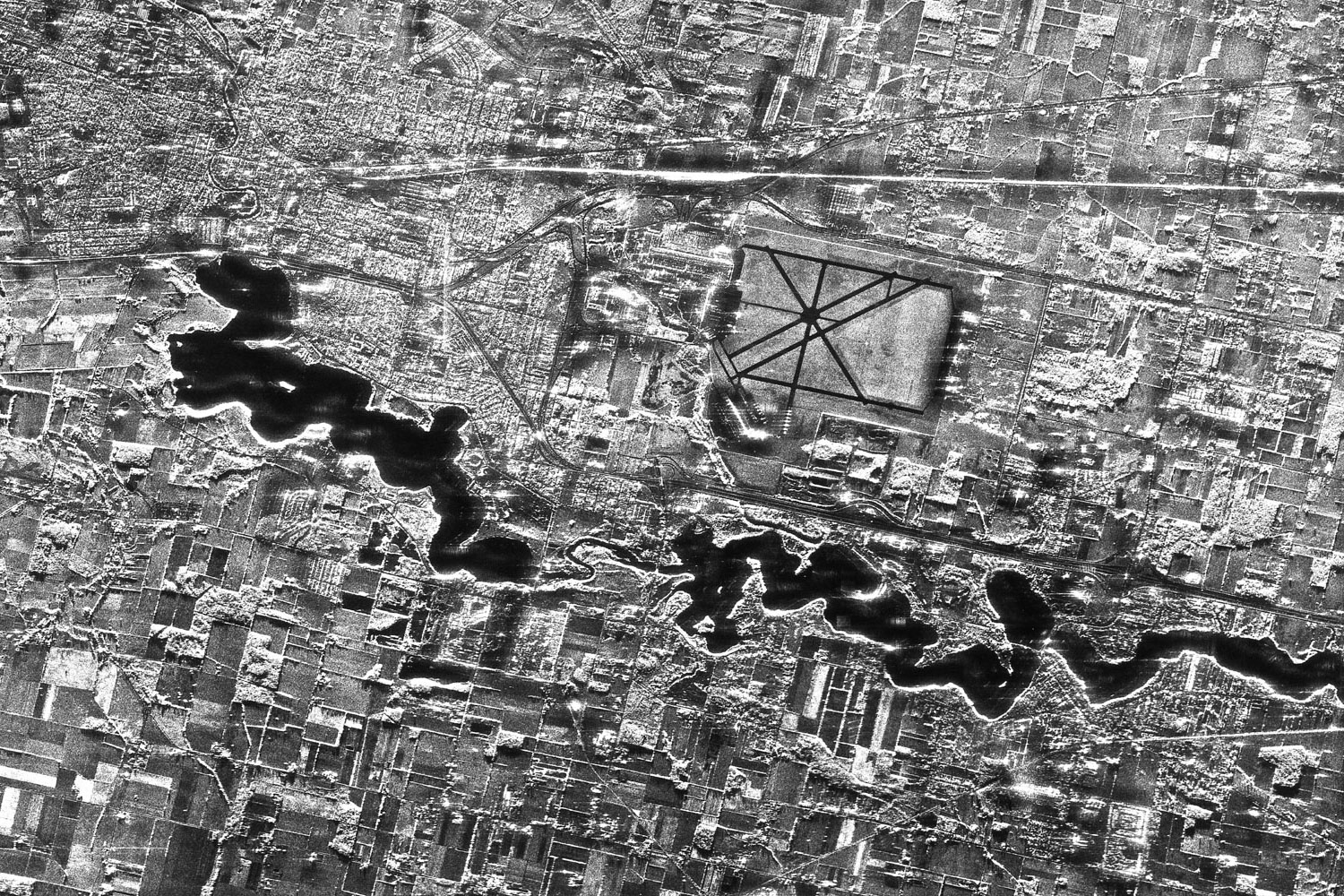 Radar allows us to see through clouds, rain, trees and in the dark thanks to the long wavelength of radio waves, in comparison to the shorter light waves used by traditional satellites. These radio waves are emitted through an antenna, or aperture, with the radar image’s resolution depending on the size of the antenna to the size of the wavelength. This means that for radio waves, a larger antenna is needed to create the same high-resolution images. This creates challenges if you want to launch your radar on a satellite to image large distant areas at a time. That’s where SAR satellites come in.
 Nano satellites are far more affordable to launch into orbit compared to traditional satellites. They cost significantly less in both the development and launch stages and can be launched in large numbers at the same time. This makes them ideal for carrying out scientific research, communications, or observation missions in space.
 Nanosatellites differ offer several advantages over traditional large satellites, also known as macro-satellites. One of the most notable differences is size. Microsatellites are significantly smaller and weigh less than traditional large satellites, which can weigh several tons. On top of making them easier and cheaper to launch, this smaller size also allows for faster development, with microsatellites able to be developed and launched in a fraction of the time it takes to develop traditional satellites.
 Space debris is caused by a combination of factors including anti-satellite weapons, collisions, rocket stages, explosions in orbit caused by leftover fuel and batteries, and human activity.
 Collisions with debris have already caused significant damage to the International Space Station, as well as other vital satellites. With more launch activity taking place than ever before – over 4850 reported in January 2022 – the probability of collisions is rising.

 While both Python and JavaScript are popular programming languages, they are used for different purposes. JavaScript is primarily used for front-end web development, while Python is used for a wide range of tasks, including back-end web development, scientific computing, and data analysis. One of the key differences between the two languages is their syntax, with Python known for its clear and concise code. This makes it easier for those with less technical backgrounds to learn and use, making it a great choice for both beginners and experienced programmers.
 Python is a fantastic career option that offers numerous exciting prospects for proficient professionals who aspire to succeed in the space sector and beyond. As Python is increasingly being used across multiple industries, it has become an indispensable skill that can give you a competitive edge in today’s job market. So if you’re looking for a lucrative career that can offer stability and growth, Python is a great choice. To get ahead of the curve in this competitive industry, check out our
  Geospatial data is a type of data used to identify the geographic location of an object or feature on the Earth’s surface. It is often used in mapping, navigation, and location-based services, as well as in geographic information systems (GIS) for a variety of applications. It is the basis of many decisions we make in our daily lives, from the route we take to work to the store we shop at.
 Geospatial data also plays a crucial role in monitoring and tracking changes in the Earth’s climate, such as temperature, precipitation, and sea level rise. By utilising geospatial data, scientists and policymakers can predict future changes in the climate and understand the potential impacts of these changes. This information is vital for making informed decisions about how to mitigate and adapt to climate change.
 One of the most popular career paths within the field is that of a geospatial analyst. Geospatial analysts use their understanding of the technology to study satellite imagery, aerial photographs, and other data sources to create visual representations of terrain and identify potential areas of interest. They also use geospatial data to map population distributions, track the spread of disease, and provide intelligence to governmental agencies and private businesses.