
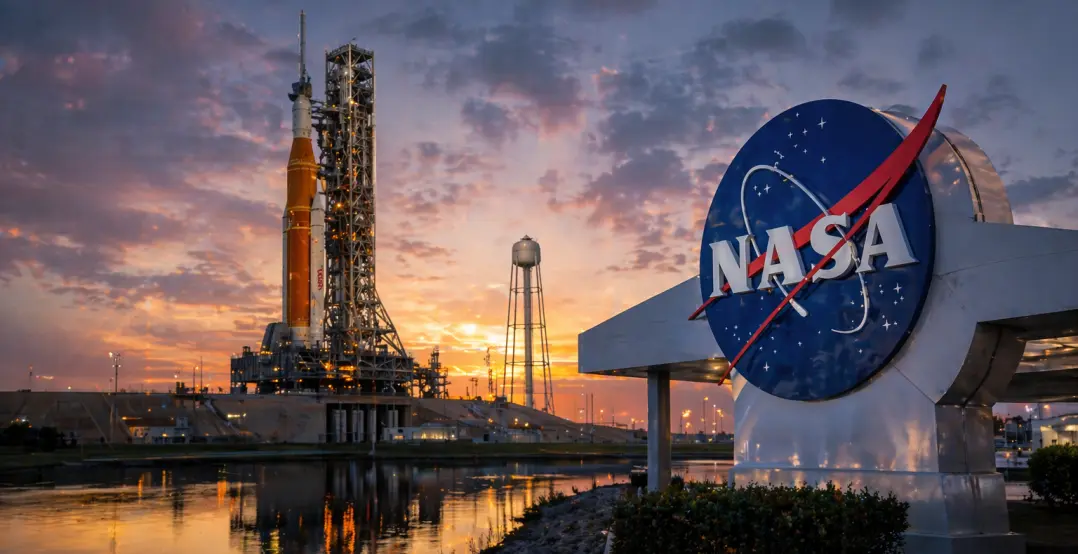
On April 17, NASA and the US Office of Personnel Management launched a website called NASA Force. It’s a hiring initiative designed to recruit early-to-mid-career engineers and technologists into two-year term positions at NASA, with the possibility of extension. Starting salaries range from $150,000 to $200,000. The first open roles are for aerospace engineers.
The language around it is deliberate. NASA Administrator Jared Isaacman called it a way to attract “the next generation of innovators and technical experts.” OPM described it as part of a broader US Tech Force initiative aimed at embedding elite technical talent across federal agencies.
For anyone hiring engineers in the space sector right now, this isn’t a feel-good workforce development story. It’s a direct competitive move – and it changes the math on every offer you’re putting in front of a candidate.
What NASA Force Actually Is
NASA Force is part of the US Tech Force initiative, which aims to recruit approximately 1,000 technologists for its initial cohort across multiple federal agencies. The NASA track specifically targets people with aerospace engineering, software development, and advanced technology skills – the same profiles that growth-stage space companies, defense contractors, and commercial station programs are all competing for.
The positions are term appointments, typically one to two years. That means they’re designed to attract people who might not want a permanent government career but are willing to commit to a focused stint on a high-profile mission. It’s a model that looks more like a fellowship or a tech company rotation program than a traditional civil service job.
For candidates, the pitch is compelling: work on Artemis, contribute to lunar exploration or Mars preparation, earn $150,000 to $200,000, and build a resume line that no startup can match. The government is essentially offering a credibility accelerator with a built-in exit after two years.
Why This Matters for Commercial Space Companies
The space sector already has a structural talent constraint. Experienced engineers with clearances, relevant program experience, and the ability to operate in mission-critical environments are in short supply. Every employer in the sector – from prime contractors to Series A startups – is drawing from the same candidate pool.
NASA Force adds another competitor to that pool. And it’s not a minor one. The federal government can offer things that most commercial companies cannot: near-absolute job security during the term, a mission narrative that resonates deeply with engineers who got into this field because they cared about space exploration, and a brand that carries weight in every subsequent job interview.
For mid-career engineers who are weighing their options – stay at a startup, join a defense contractor, or do something else entirely – NASA Force introduces a third path that didn’t exist six months ago. A two-year commitment to work directly on NASA’s highest-profile programs, at compensation that’s competitive with the commercial market, with none of the equity risk that comes with a startup.
That’s a real threat to any company that’s relying on mission and purpose as part of their hiring pitch. If NASA itself is actively recruiting with the same message, the commercial company needs to offer something NASA doesn’t – ownership, speed of impact, equity upside, or a trajectory that the government track can’t match.
The Contradiction Nobody Is Talking About
Here’s the part that should make space companies pay attention. The same week NASA Force opened applications, the White House proposed cutting NASA’s overall budget by 23% and its science directorate by 47%. More than 40 missions face termination. STEM education funding would be eliminated entirely.
NASA is simultaneously trying to hire the best engineers in the country and facing a budget proposal that would gut the programs many of those engineers would work on.
This creates a specific kind of uncertainty in the talent market. Candidates evaluating a NASA Force role will ask: is this a two-year position on a program that’s growing, or a two-year position on a program that might get defunded? Congress rejected similar cuts last year, but the uncertainty itself affects decision-making. Some candidates will see NASA Force as an incredible opportunity. Others will see it as a risk they’d rather not take when a well-funded commercial company is offering equity and a five-year roadmap.
For commercial space companies, the contradiction is actually a differentiator – if you know how to use it. A company that can say “our funding is secured, our roadmap is clear, and your work ships into production” is offering something that a government program under annual budget threat cannot guarantee.
What Candidates Are Actually Weighing
Based on what we see across active searches in the US space sector, mid-career engineers are evaluating opportunities across four dimensions: mission quality, compensation, stability, and long-term upside.
NASA Force scores highly on mission quality and stability (during the term). It’s competitive on compensation. Where it falls short is long-term upside – a two-year term appointment doesn’t build equity, doesn’t come with a promotion trajectory, and doesn’t offer the financial upside of being early at a company that reaches a significant valuation.
Commercial space companies score differently. Mission quality depends on the company – some can compete with NASA, most can’t on narrative alone. Compensation varies widely. Stability is lower at the startup level. But the long-term upside – equity, leadership trajectory, the chance to build something from the ground up – is where commercial companies have an advantage that NASA structurally cannot offer.
The companies that win in this environment are the ones that understand what they’re competing against and position accordingly. If your pitch to a mid-career engineer is “come work on cool space stuff,” you’re now directly competing with the agency that defines cool space stuff. You need a sharper answer than that.
The Takeaway
NASA Force is a signal that the federal government recognizes what the rest of the sector already knows: there aren’t enough experienced space engineers to go around. The government’s response is to compete for them directly, with compelling compensation and an unmatched mission narrative.
For commercial space companies, this isn’t a reason to panic. It’s a reason to get sharper about what you offer that NASA doesn’t – and to make sure candidates hear that message before they see the NASA Force application page.