From Earth to Orbit: How to Navigate a Career in the Space Sector?

When people dream about working in the stars, it can sound like something only astronauts do. But today, the space sector is wide open, and learning how to navigate career options in this exciting field has never been more possible. This isn’t just about rocket launches. It’s about real jobs that touch space every day—whether through satellite jobs, engineering, or new space technologies. 

Many people want to break into this world but don’t know where to start. The truth is, to navigate career paths in space, you need to understand the landscape, meet the right people, and keep up with how the industry is growing fast.


The Many Doors That Lead to Space

Navigate career

One thing no one tells you is that there’s no single road when you try to navigate career pathways in this field. Some people start with science degrees, while others jump in through software, communications, or even project management. There are also many careers involving space that have nothing to do with wearing a lab coat or building satellites. 

The space industry needs storytellers, designers, recruiters, lawyers, and financial experts. Companies need people who can explain complex missions to the public and those who can handle international agreements. If you think about it, the space industry is really like a mini version of Earth itself, filled with different roles working together to push the boundaries of what’s possible.


The Growing Power of Satellite Jobs

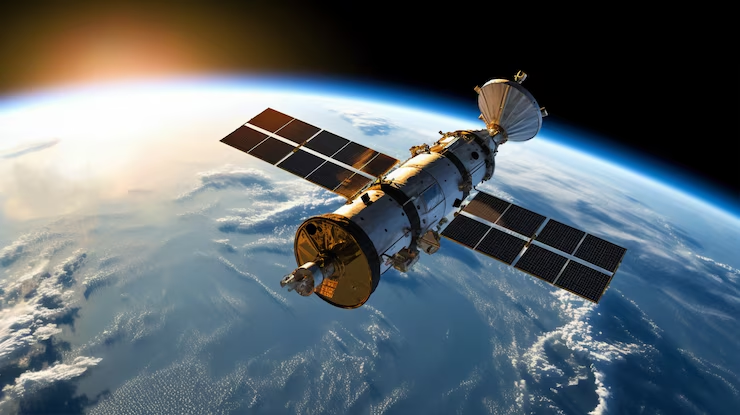
Let’s talk about satellites because they are everywhere—literally. Satellite jobs are a major part of the space sector now. They help us with GPS, weather forecasts, internet coverage, and even tracking climate change. Some companies are launching thousands of satellites into low-Earth orbit to build global internet services. 

One of the coolest things? You don’t have to be a rocket scientist to get involved. Many satellite jobs focus on ground operations, software updates, and data analysis. Learning to navigate career opportunities here can open doors to projects that directly impact people’s daily lives. Even working on the software that talks to satellites can make you part of the space race.


Jobs Involving Space Are Becoming More Accessible

There’s a shift happening. Jobs involving space are becoming less exclusive. Back in the day, most of these roles were locked behind military doors or massive government agencies like NASA. Today, private companies are hiring at record speeds, and there’s a big demand for people who can bring fresh ideas. It’s not just about engineers anymore. 

People with skills in marketing, supply chain, and cybersecurity are being pulled into this growing industry. The idea that you need a PhD to navigate career paths in space is slowly becoming outdated. In fact, many companies are offering on-the-job training to help people from different industries cross over. If you’re passionate, curious, and willing to learn, you can find your way into careers involving space.


Space Industry Recruiters Are Your Hidden Guides

Many folks pass over this here. Navigating career paths in this profession might benefit much from the help of space industry recruiters. These companies are more than just headhunters; they are rather like space matchmakers. They typically have intimate knowledge about forthcoming projects and recruiting waves and appreciate the particular pressures of the space industry. 

The right recruiter will help you find positions you might not even realize existed. While some recruiters concentrate on new startups developing lunar landers or new launch systems, others specialize in satellite jobs. Developing a relationship with space industry recruiters might change everything. They can assist you get ready for roles that really fit since they understand what businesses are searching for.


The Wild Ride of Startups and Commercial Space

Space startups are making waves, and they are bringing a lot of fresh energy to the game. If you want to navigate career opportunities that are fast-paced and creative, working in these startups can be thrilling. These companies are building everything from small rockets to asteroid mining tech. 

Startups are more flexible in their hiring, which means you can often get involved in different parts of a project. This is where you can wear many hats and grow quickly. The commercial space sector is booming, and according to recent reports, private investment in space companies crossed over $12.5 billion in 2023 alone. That’s a sign that now is a great time to jump in and grow with the industry.


Why Learning Never Stops in the Space Sector

If you want to navigate career options in this world, you’ll need to commit to always learning. The space sector evolves fast. New technologies, new laws, and new partnerships can appear almost overnight. For example, space debris management has become a hot topic as more satellites fill Earth’s orbit. Also, the race to build lunar bases is creating roles that didn’t exist a few years ago. 

People who thrive here are those who stay curious, keep up with news, and aren’t afraid to pick up new skills as the industry shifts. Getting involved in online communities, space events, and training programs can keep you on track as you navigate career growth in this field.


Building Real Experience on Earth Before Heading to Orbit

Navigate career

Many people think they need to land a role at NASA or SpaceX right away, but that’s not true. You can start by getting experience in industries that feed into the space sector. For example, working in telecom, software, or manufacturing can help you build valuable skills that easily transfer over. This approach can help you slowly navigate career pathways that lead to space without feeling like you have to make a giant leap all at once. 

Many people move into space roles after years of working in other industries, and they bring useful knowledge with them. The key is to position yourself where you can pivot when the right opportunity comes along.


The Power of Networking and Staying in the Loop

People love to say, “It’s not what you know; it’s who you know,” and that’s pretty accurate when it comes to space. If you want to navigate career opportunities in this field, you need to know what’s happening and who’s hiring. Joining space conferences, following companies on social media, and being part of online groups can keep you in the loop. 

Sometimes jobs aren’t even posted yet, but if you’re connected, you’ll hear about them early. Many people build their space careers by being active in the community and showing genuine interest in the latest missions and technologies. Space industry recruiters often look for people who already show passion and curiosity. If you can speak their language and show you’ve been paying attention, you’re already ahead.


Conclusion

Though it seems like striving for the stars, trying to negotiate job prospects in the space sector is really more grounded than most people believe. Jobs involving space are fast expanding and open to people from many backgrounds. The space world has something for you whether your interests are in satellite employment, software, project management, or narrative. 

Engaging with space sector recruiters will enable you to identify your fit and provide direction throughout. The secret is to remain inquisitive, keep learning, and remain active in events across this fascinating sector. Though the road may not be easy, it is absolutely one worth traveling. For more support on your space career journey, visit EVONA and explore how they can help you lift off.

When people dream about working in the stars, it can sound like something only astronauts do. But today, the space sector is wide open, and learning how to navigate career options in this exciting field has never been more possible. This isn’t just about rocket launches. It’s about real jobs that touch space every day—whether through satellite jobs, engineering, or new space technologies. 

Many people want to break into this world but don’t know where to start. The truth is, to navigate career paths in space, you need to understand the landscape, meet the right people, and keep up with how the industry is growing fast.


The Many Doors That Lead to Space

Navigate career

One thing no one tells you is that there’s no single road when you try to navigate career pathways in this field. Some people start with science degrees, while others jump in through software, communications, or even project management. There are also many careers involving space that have nothing to do with wearing a lab coat or building satellites. 

The space industry needs storytellers, designers, recruiters, lawyers, and financial experts. Companies need people who can explain complex missions to the public and those who can handle international agreements. If you think about it, the space industry is really like a mini version of Earth itself, filled with different roles working together to push the boundaries of what’s possible.


The Growing Power of Satellite Jobs

Let’s talk about satellites because they are everywhere—literally. Satellite jobs are a major part of the space sector now. They help us with GPS, weather forecasts, internet coverage, and even tracking climate change. Some companies are launching thousands of satellites into low-Earth orbit to build global internet services. 

One of the coolest things? You don’t have to be a rocket scientist to get involved. Many satellite jobs focus on ground operations, software updates, and data analysis. Learning to navigate career opportunities here can open doors to projects that directly impact people’s daily lives. Even working on the software that talks to satellites can make you part of the space race.


Jobs Involving Space Are Becoming More Accessible

There’s a shift happening. Jobs involving space are becoming less exclusive. Back in the day, most of these roles were locked behind military doors or massive government agencies like NASA. Today, private companies are hiring at record speeds, and there’s a big demand for people who can bring fresh ideas. It’s not just about engineers anymore. 

People with skills in marketing, supply chain, and cybersecurity are being pulled into this growing industry. The idea that you need a PhD to navigate career paths in space is slowly becoming outdated. In fact, many companies are offering on-the-job training to help people from different industries cross over. If you’re passionate, curious, and willing to learn, you can find your way into careers involving space.


Space Industry Recruiters Are Your Hidden Guides

Many folks pass over this here. Navigating career paths in this profession might benefit much from the help of space industry recruiters. These companies are more than just headhunters; they are rather like space matchmakers. They typically have intimate knowledge about forthcoming projects and recruiting waves and appreciate the particular pressures of the space industry. 

The right recruiter will help you find positions you might not even realize existed. While some recruiters concentrate on new startups developing lunar landers or new launch systems, others specialize in satellite jobs. Developing a relationship with space industry recruiters might change everything. They can assist you get ready for roles that really fit since they understand what businesses are searching for.


The Wild Ride of Startups and Commercial Space

Space startups are making waves, and they are bringing a lot of fresh energy to the game. If you want to navigate career opportunities that are fast-paced and creative, working in these startups can be thrilling. These companies are building everything from small rockets to asteroid mining tech. 

Startups are more flexible in their hiring, which means you can often get involved in different parts of a project. This is where you can wear many hats and grow quickly. The commercial space sector is booming, and according to recent reports, private investment in space companies crossed over $12.5 billion in 2023 alone. That’s a sign that now is a great time to jump in and grow with the industry.


Why Learning Never Stops in the Space Sector

If you want to navigate career options in this world, you’ll need to commit to always learning. The space sector evolves fast. New technologies, new laws, and new partnerships can appear almost overnight. For example, space debris management has become a hot topic as more satellites fill Earth’s orbit. Also, the race to build lunar bases is creating roles that didn’t exist a few years ago. 

People who thrive here are those who stay curious, keep up with news, and aren’t afraid to pick up new skills as the industry shifts. Getting involved in online communities, space events, and training programs can keep you on track as you navigate career growth in this field.


Building Real Experience on Earth Before Heading to Orbit

Navigate career

Many people think they need to land a role at NASA or SpaceX right away, but that’s not true. You can start by getting experience in industries that feed into the space sector. For example, working in telecom, software, or manufacturing can help you build valuable skills that easily transfer over. This approach can help you slowly navigate career pathways that lead to space without feeling like you have to make a giant leap all at once. 

Many people move into space roles after years of working in other industries, and they bring useful knowledge with them. The key is to position yourself where you can pivot when the right opportunity comes along.


The Power of Networking and Staying in the Loop

People love to say, “It’s not what you know; it’s who you know,” and that’s pretty accurate when it comes to space. If you want to navigate career opportunities in this field, you need to know what’s happening and who’s hiring. Joining space conferences, following companies on social media, and being part of online groups can keep you in the loop. 

Sometimes jobs aren’t even posted yet, but if you’re connected, you’ll hear about them early. Many people build their space careers by being active in the community and showing genuine interest in the latest missions and technologies. Space industry recruiters often look for people who already show passion and curiosity. If you can speak their language and show you’ve been paying attention, you’re already ahead.


Conclusion

Though it seems like striving for the stars, trying to negotiate job prospects in the space sector is really more grounded than most people believe. Jobs involving space are fast expanding and open to people from many backgrounds. The space world has something for you whether your interests are in satellite employment, software, project management, or narrative. 

Engaging with space sector recruiters will enable you to identify your fit and provide direction throughout. The secret is to remain inquisitive, keep learning, and remain active in events across this fascinating sector. Though the road may not be easy, it is absolutely one worth traveling. For more support on your space career journey, visit EVONA and explore how they can help you lift off.

Space Startups Hiring Now: Where to Look Beyond the Big Names

Nowadays, the space startups goes beyond NASA and SpaceX. Right now, space entrepreneurs are proliferating all around the globe providing innovative ideas and generating new employment. These businesses are fast growing and seeking individuals that wish to expand alongside them. 

This is an interesting period, particularly for those who have been fantasizing of working outside Earth. This post illustrates why you shouldn’t pursue the big names to have a career that is really out of this world and investigates where to find the greatest space companies recruiting now.


The Rise of Space Startups

Space startups

Space startups are no longer small side projects. They are becoming major players in the space race. Over the past five years, the number of space startups has grown significantly. According to the Space Foundation’s 2024 report, there are now over 5,000 active space startups worldwide, many focusing on niche technologies that big space companies might overlook. 

This explosion isn’t random. It’s fueled by cheaper launch costs, smaller satellite designs, and growing investor interest. Startup space is now full of opportunity, especially for those willing to take a chance on newer names.

The best part? Many of these companies are building things that matter right now. From satellites that monitor climate change to startup space teams creating affordable launch systems, space startups are quickly shaping the future of how we explore and use space.


Beyond Satellites: What These Companies Are Building

It’s easy to think that all space startups are just satellite companies, but the truth is far more exciting. Sure, satellites are a huge part of the space startup scene. In fact, small satellite companies now account for over 70% of all new commercial space launches each year, according to Euroconsult. But startup space is doing much more.

Some space startups are working on space tourism, aiming to make trips to the edge of space as common as airline flights. Others are developing space-based internet services to bring fast connections to even the most remote places on Earth. There are even space companies building technology to clean up space debris, making sure future generations can safely explore the stars.

And let’s not forget about the lunar missions. Several space startups are actively preparing to send small landers and rovers to the Moon. These companies might not have the fame of the top space companies, but they are opening doors to a whole new era of space exploration.


The Benefits of Working for Space Startups

Joining space startups comes with its own unique energy. Unlike some of the big space companies where you might be one small piece in a giant puzzle, space startups often give people the chance to wear multiple hats. This means faster learning, closer teamwork, and more room to grow.

It’s not always the easiest path. Space startups sometimes move at breakneck speeds and face unpredictable challenges. But for many, that’s the whole point. It’s where real innovation happens. It’s where people can make a visible impact.

Another bonus? Space startups often embrace modern work culture. Flexible hours, hybrid offices, and tight-knit teams are common. This makes them attractive not only to engineers and scientists but to people from all backgrounds who are passionate about the future of space.


Finding the Right Fit in the Startup Space

The startup space is massive and still expanding. Finding the right space startups to work for takes a bit of research, but it’s well worth the effort. It helps to follow space news regularly. Many space companies announce funding rounds, contract wins, and hiring updates in real-time. Social media, especially LinkedIn and X (formerly Twitter), has become a major meeting point for space enthusiasts and companies alike.

It’s also useful to explore newer space-focused job boards. Traditional job sites sometimes miss these exciting roles, but space-specific platforms often list them as soon as they’re available. Talking directly to people in the space industry can also open doors. Many employees at space startups are open to sharing advice and sometimes even know about upcoming job opportunities before they’re posted.


Space Startups Worth Watching Right Now

Across the globe, there are dozens of space startups gaining attention. Some are working quietly behind the scenes. Others are making big headlines with major partnerships and innovative technologies. In Europe, a number of space startups are focusing on launch services. These companies are developing smaller rockets designed to carry small satellites quickly and cheaply into orbit. Some of these launch providers are making serious progress and are set to compete directly with the more established names.

In the United States, several space companies are pushing the limits of satellite design, working on smaller, faster, and more affordable models. These space startups are also building new ways to bring real-time Earth observation data to companies and governments, making this information more accessible than ever before.

In Asia and the Middle East, investment in the startup space is growing fast. New satellite companies are emerging in countries like Japan and the UAE, offering fresh opportunities in regions that are rapidly expanding their space ambitions.


Why Space Startups Are the Future

Space startups are not only little businesses seeking recognition for themselves. They are pushing the space sector ahead nowadays. Often unparalleled by the leading space firms are the adaptability, speed, and inventiveness these teams bring. Although the big names still dominate much of the headlines, these audacious and quick-moving teams are laying the actual path forward.

Based on the most recent space investment research by Seraphim Capital, investment in space companies worldwide in 2024 will almost equal $13.5 billion. This indicates that the startup environment is here to stay and displays increased faith in what space entrepreneurs can produce. Entering the space sector at this exciting period is fantastic. The work being done now will determine how mankind explores the last frontier for next generations.


Conclusion

The hunt for space jobs need not stop at the large corporations everyone is familiar with. Right now, some of the most interesting and significant prospects available are presented by space entrepreneurs. Smaller, speedier, and frequently more open to fresh ideas these businesses are. 

They are looking for someone who wish to grow with them since they are creating the future right now. Hence, this is your chance to investigate outside the conventional routes if you have ever dreamed of working in space. Space businesses abound in a world just waiting for you to board.

To discover the best space startups hiring now, check out opportunities with EVONA.

Nowadays, the space startups goes beyond NASA and SpaceX. Right now, space entrepreneurs are proliferating all around the globe providing innovative ideas and generating new employment. These businesses are fast growing and seeking individuals that wish to expand alongside them. 

This is an interesting period, particularly for those who have been fantasizing of working outside Earth. This post illustrates why you shouldn’t pursue the big names to have a career that is really out of this world and investigates where to find the greatest space companies recruiting now.


The Rise of Space Startups

Space startups

Space startups are no longer small side projects. They are becoming major players in the space race. Over the past five years, the number of space startups has grown significantly. According to the Space Foundation’s 2024 report, there are now over 5,000 active space startups worldwide, many focusing on niche technologies that big space companies might overlook. 

This explosion isn’t random. It’s fueled by cheaper launch costs, smaller satellite designs, and growing investor interest. Startup space is now full of opportunity, especially for those willing to take a chance on newer names.

The best part? Many of these companies are building things that matter right now. From satellites that monitor climate change to startup space teams creating affordable launch systems, space startups are quickly shaping the future of how we explore and use space.


Beyond Satellites: What These Companies Are Building

It’s easy to think that all space startups are just satellite companies, but the truth is far more exciting. Sure, satellites are a huge part of the space startup scene. In fact, small satellite companies now account for over 70% of all new commercial space launches each year, according to Euroconsult. But startup space is doing much more.

Some space startups are working on space tourism, aiming to make trips to the edge of space as common as airline flights. Others are developing space-based internet services to bring fast connections to even the most remote places on Earth. There are even space companies building technology to clean up space debris, making sure future generations can safely explore the stars.

And let’s not forget about the lunar missions. Several space startups are actively preparing to send small landers and rovers to the Moon. These companies might not have the fame of the top space companies, but they are opening doors to a whole new era of space exploration.


The Benefits of Working for Space Startups

Joining space startups comes with its own unique energy. Unlike some of the big space companies where you might be one small piece in a giant puzzle, space startups often give people the chance to wear multiple hats. This means faster learning, closer teamwork, and more room to grow.

It’s not always the easiest path. Space startups sometimes move at breakneck speeds and face unpredictable challenges. But for many, that’s the whole point. It’s where real innovation happens. It’s where people can make a visible impact.

Another bonus? Space startups often embrace modern work culture. Flexible hours, hybrid offices, and tight-knit teams are common. This makes them attractive not only to engineers and scientists but to people from all backgrounds who are passionate about the future of space.


Finding the Right Fit in the Startup Space

The startup space is massive and still expanding. Finding the right space startups to work for takes a bit of research, but it’s well worth the effort. It helps to follow space news regularly. Many space companies announce funding rounds, contract wins, and hiring updates in real-time. Social media, especially LinkedIn and X (formerly Twitter), has become a major meeting point for space enthusiasts and companies alike.

It’s also useful to explore newer space-focused job boards. Traditional job sites sometimes miss these exciting roles, but space-specific platforms often list them as soon as they’re available. Talking directly to people in the space industry can also open doors. Many employees at space startups are open to sharing advice and sometimes even know about upcoming job opportunities before they’re posted.


Space Startups Worth Watching Right Now

Across the globe, there are dozens of space startups gaining attention. Some are working quietly behind the scenes. Others are making big headlines with major partnerships and innovative technologies. In Europe, a number of space startups are focusing on launch services. These companies are developing smaller rockets designed to carry small satellites quickly and cheaply into orbit. Some of these launch providers are making serious progress and are set to compete directly with the more established names.

In the United States, several space companies are pushing the limits of satellite design, working on smaller, faster, and more affordable models. These space startups are also building new ways to bring real-time Earth observation data to companies and governments, making this information more accessible than ever before.

In Asia and the Middle East, investment in the startup space is growing fast. New satellite companies are emerging in countries like Japan and the UAE, offering fresh opportunities in regions that are rapidly expanding their space ambitions.


Why Space Startups Are the Future

Space startups are not only little businesses seeking recognition for themselves. They are pushing the space sector ahead nowadays. Often unparalleled by the leading space firms are the adaptability, speed, and inventiveness these teams bring. Although the big names still dominate much of the headlines, these audacious and quick-moving teams are laying the actual path forward.

Based on the most recent space investment research by Seraphim Capital, investment in space companies worldwide in 2024 will almost equal $13.5 billion. This indicates that the startup environment is here to stay and displays increased faith in what space entrepreneurs can produce. Entering the space sector at this exciting period is fantastic. The work being done now will determine how mankind explores the last frontier for next generations.


Conclusion

The hunt for space jobs need not stop at the large corporations everyone is familiar with. Right now, some of the most interesting and significant prospects available are presented by space entrepreneurs. Smaller, speedier, and frequently more open to fresh ideas these businesses are. 

They are looking for someone who wish to grow with them since they are creating the future right now. Hence, this is your chance to investigate outside the conventional routes if you have ever dreamed of working in space. Space businesses abound in a world just waiting for you to board.

To discover the best space startups hiring now, check out opportunities with EVONA.

What No One Tells You About Starting a Career in Space?

A career in space sounds like something out of a sci-fi movie. People imagine astronauts floating around, discovering new planets, or maybe just posing in fancy suits for Instagram. But the truth? It’s a lot more complicated and, honestly, a lot more human than most people think. 

Starting a career in space isn’t just about dreaming big. It’s about grit, weird coffee hours, endless simulations, and sometimes, a hefty amount of paperwork. This article is here to peel back the curtain and talk about the things no one really tells you about the space industry.


The Unexpected Paths Into the Space Industry

Another thing no one really tells you is that there is no single path to a career in space. Some people think they need to study aerospace engineering or astrophysics, and sure, those are great degrees to have. But here’s the twist: the space industry needs artists, business managers, marketing experts, medical professionals, and even lawyers.

There are jobs that involve space that have nothing to do with wearing a lab coat or knowing how to fix a rocket. The space industry needs people who can design spacesuits that are comfortable and safe. It needs storytellers who can help the public understand why space missions matter. And yes, it also needs finance professionals who can handle billion-dollar budgets.

So if someone thinks they have to be a math genius to start a career in space, they might be missing out. This industry is wide open to people with all kinds of skills. That’s something most career talks forget to mention.


Professional Growth in Space: The Long Game

Career in space

A career in space is not a quick success story. It’s not like starting a trendy app and hitting it big overnight. Professional growth in this field takes time, patience, and often, a few steps sideways. In fact, many people start their careers in completely different industries before jumping into space-related jobs. Someone could begin in aviation, robotics, or even the gaming world and eventually find themselves working on Mars rover technology. The key is to build useful skills that can transfer into the space sector.

What’s interesting is that space companies tend to value problem solvers more than people who check every degree box. If you can show you can think on your feet, handle failure, and still come back with solid ideas, your professional growth in this industry can take off in surprising ways.


The Realities of Working in the Space Industry

Let’s talk about work-life balance. People love to picture a career in space as adventurous and full of exciting breakthroughs. And sure, there are those moments. But behind the scenes, it’s also long nights, tight deadlines, and sometimes a lot of waiting. In fact, space missions can take years to plan and test. Imagine spending five years designing one part of a spacecraft and then crossing your fingers on launch day. That’s the kind of emotional rollercoaster many people face.

And speaking of waiting, the hiring process in the space industry can be painfully slow. Security clearances, background checks, and government approvals can stretch for months. No one really tells you this part when you’re dreaming about your first space job. Still, there’s something magnetic about working in this field. Even though it’s tough, people stick with it because the work feels bigger than themselves. Knowing you helped build something that’s floating in orbit? That’s hard to beat.


Space Isn’t Always Glamorous, and That’s Okay

People often imagine glamorous, shiny spaceships and heroic astronauts. The reality? Most of the jobs that involve space happen in very normal-looking offices or labs. You might be working next to a coffee machine, not next to a rocket. Careers related to space can sometimes be a grind. But there’s a quiet beauty in that. The space industry is filled with small, unsung victories. Maybe your team figured out how to make a satellite battery last longer. 

Maybe you solved a glitch in the software that controls a Mars rover’s wheel. These wins might not make headlines, but they move space exploration forward. Professional growth in the space industry is built on these behind-the-scenes moments. It’s about playing the long game and knowing that every tiny step counts.


The Fast-Changing Space Landscape

Career in space

The space industry isn’t the slow, government-only field it used to be. Thanks to private companies, things are moving at rocket speed now. SpaceX, Blue Origin, Rocket Lab, and many others have completely changed the game.

This has opened up more doors for people who want to start a career in space. Companies are hiring faster, launching more missions, and taking bigger risks. It’s not just about NASA anymore. The commercial space race is heating up, and it’s creating all kinds of new jobs that involve space.

According to another 2024 industry report, commercial space activities now make up over 78% of the total space economy. That’s a huge shift compared to just a decade ago. This means that careers related to space are becoming more accessible, more varied, and more flexible.

But here’s the catch: this fast pace means you have to stay sharp. Professional growth now depends on being able to adapt quickly. Learning new skills, staying updated on the latest tech, and being open to change are all part of the ride.


It’s Not Just Rocket Science: The Human Side of Space

How human the whole thing is is one of the best-kept secrets of launching a career in space. Yes, the technology is innovative, yet the work consists in ordinary, daily events. Teams debate minute details. People overlook their lunch. A cat walks across a video conference in front of a crucial meeting. The space business is about people cooperating to tackle difficult challenges, not only about metal and fuel.

Making space more inclusive and helpful is increasingly important today. Starting to gain the respect they merit are mental health, diversity, and work-life balance. It’s interesting that the next generation entering fields connected to space is advocating this change. It turns out, one thing is creating a rocket. Another is assembling a team capable of placing it into orbit. And magic occurs there as well.


Conclusion

Although starting a career in space is interesting, it is not necessarily what others picture. It has surprising turns, plodding ascents, and a lot of behind-the-scenes labor that hardly makes news. For individuals who are inquisitive, flexible, and ready to put in a lot of effort, the benefits are unlike anything else though. 

A career in space is about joining a worldwide endeavor to explore the unknown, not only about a job. The best thing is also You need not be an astronaut to participate in it. If you’re thinking about taking the first step, now is the time to explore your options with EVONA.

A career in space sounds like something out of a sci-fi movie. People imagine astronauts floating around, discovering new planets, or maybe just posing in fancy suits for Instagram. But the truth? It’s a lot more complicated and, honestly, a lot more human than most people think. 

Starting a career in space isn’t just about dreaming big. It’s about grit, weird coffee hours, endless simulations, and sometimes, a hefty amount of paperwork. This article is here to peel back the curtain and talk about the things no one really tells you about the space industry.


The Unexpected Paths Into the Space Industry

Another thing no one really tells you is that there is no single path to a career in space. Some people think they need to study aerospace engineering or astrophysics, and sure, those are great degrees to have. But here’s the twist: the space industry needs artists, business managers, marketing experts, medical professionals, and even lawyers.

There are jobs that involve space that have nothing to do with wearing a lab coat or knowing how to fix a rocket. The space industry needs people who can design spacesuits that are comfortable and safe. It needs storytellers who can help the public understand why space missions matter. And yes, it also needs finance professionals who can handle billion-dollar budgets.

So if someone thinks they have to be a math genius to start a career in space, they might be missing out. This industry is wide open to people with all kinds of skills. That’s something most career talks forget to mention.


Professional Growth in Space: The Long Game

Career in space

A career in space is not a quick success story. It’s not like starting a trendy app and hitting it big overnight. Professional growth in this field takes time, patience, and often, a few steps sideways. In fact, many people start their careers in completely different industries before jumping into space-related jobs. Someone could begin in aviation, robotics, or even the gaming world and eventually find themselves working on Mars rover technology. The key is to build useful skills that can transfer into the space sector.

What’s interesting is that space companies tend to value problem solvers more than people who check every degree box. If you can show you can think on your feet, handle failure, and still come back with solid ideas, your professional growth in this industry can take off in surprising ways.


The Realities of Working in the Space Industry

Let’s talk about work-life balance. People love to picture a career in space as adventurous and full of exciting breakthroughs. And sure, there are those moments. But behind the scenes, it’s also long nights, tight deadlines, and sometimes a lot of waiting. In fact, space missions can take years to plan and test. Imagine spending five years designing one part of a spacecraft and then crossing your fingers on launch day. That’s the kind of emotional rollercoaster many people face.

And speaking of waiting, the hiring process in the space industry can be painfully slow. Security clearances, background checks, and government approvals can stretch for months. No one really tells you this part when you’re dreaming about your first space job. Still, there’s something magnetic about working in this field. Even though it’s tough, people stick with it because the work feels bigger than themselves. Knowing you helped build something that’s floating in orbit? That’s hard to beat.


Space Isn’t Always Glamorous, and That’s Okay

People often imagine glamorous, shiny spaceships and heroic astronauts. The reality? Most of the jobs that involve space happen in very normal-looking offices or labs. You might be working next to a coffee machine, not next to a rocket. Careers related to space can sometimes be a grind. But there’s a quiet beauty in that. The space industry is filled with small, unsung victories. Maybe your team figured out how to make a satellite battery last longer. 

Maybe you solved a glitch in the software that controls a Mars rover’s wheel. These wins might not make headlines, but they move space exploration forward. Professional growth in the space industry is built on these behind-the-scenes moments. It’s about playing the long game and knowing that every tiny step counts.


The Fast-Changing Space Landscape

Career in space

The space industry isn’t the slow, government-only field it used to be. Thanks to private companies, things are moving at rocket speed now. SpaceX, Blue Origin, Rocket Lab, and many others have completely changed the game.

This has opened up more doors for people who want to start a career in space. Companies are hiring faster, launching more missions, and taking bigger risks. It’s not just about NASA anymore. The commercial space race is heating up, and it’s creating all kinds of new jobs that involve space.

According to another 2024 industry report, commercial space activities now make up over 78% of the total space economy. That’s a huge shift compared to just a decade ago. This means that careers related to space are becoming more accessible, more varied, and more flexible.

But here’s the catch: this fast pace means you have to stay sharp. Professional growth now depends on being able to adapt quickly. Learning new skills, staying updated on the latest tech, and being open to change are all part of the ride.


It’s Not Just Rocket Science: The Human Side of Space

How human the whole thing is is one of the best-kept secrets of launching a career in space. Yes, the technology is innovative, yet the work consists in ordinary, daily events. Teams debate minute details. People overlook their lunch. A cat walks across a video conference in front of a crucial meeting. The space business is about people cooperating to tackle difficult challenges, not only about metal and fuel.

Making space more inclusive and helpful is increasingly important today. Starting to gain the respect they merit are mental health, diversity, and work-life balance. It’s interesting that the next generation entering fields connected to space is advocating this change. It turns out, one thing is creating a rocket. Another is assembling a team capable of placing it into orbit. And magic occurs there as well.


Conclusion

Although starting a career in space is interesting, it is not necessarily what others picture. It has surprising turns, plodding ascents, and a lot of behind-the-scenes labor that hardly makes news. For individuals who are inquisitive, flexible, and ready to put in a lot of effort, the benefits are unlike anything else though. 

A career in space is about joining a worldwide endeavor to explore the unknown, not only about a job. The best thing is also You need not be an astronaut to participate in it. If you’re thinking about taking the first step, now is the time to explore your options with EVONA.

Some Space Companies You Should Be Watching (and Applying To) in 2026

Though in 2026 the space sector is doing far more than it does now, it has always caught dreams. For those hoping for space careers, innovative ideas, and even new startup space companies altering what is feasible, it is creating actual chances. Right now, space companies are pushing limits and establishing trends; honestly, you should be keeping an eye on them and maybe even sending applications.

In this article, we are going to get into the details of some of the top-ranked space companies that you should consider while applying for jobs.

Rocket Lab: The Startup Space Star Growing Fast

Space companies

Originally a little startup space firm, Rocket Lab is among the most fascinating entities to watch in 2026. This is not only one more satellite companies. With its new bigger rocket, Neutron, Rocket Lab is broadening its goal and trying to directly challenge the established names. They are executing it with shockingly quickness and grace.

Satellite businesses are embracing their Electron rocket since it remains one of the most dependable small satellite launchers. Commercial, scientific, and even military ventures are choosing Rocket Lab mostly because of its fast, reasonably priced launches. Rocket Lab is very worth your time if you’re looking for startup space vibes but want to be involved in something steady.

Planet Labs: Earth’s Eyes from Above

Planet Labs leads the way among satellite businesses that truly make a difference. Every day views of the whole Earth are supplied by their fleet of tiny satellites. Their technologies will be applied in everything from agriculture to disaster response to climate change study in 2025.

Planet Labs is at exactly the heart of the rising demand for real-time Earth data. To provide relevant, practical insights, they have lately enlarged alliances with both public and commercial sectors. Planet Labs is an incredible chance for everyone considering interplanetary jobs that clearly affect lives here on Earth.

Planet Labs’ startup environment, whereby innovation and problem-solving coexist in a significant manner, is refreshing. They are about leveraging technology to tackle pressing issues, not only about cool technology.

Relativity Space: Printing The Future

Relativity Space will have found its own course in 2026. They are 3D-printing rockets rather than merely manufacturing them. Pioneering additive manufacture on a scale never seen before, this space business is Under active development, their Terran R rocket is expected to make completely reusable, 3D-printed rockets a practical choice.

This method is challenging conventional wisdom on rocket building. Relativity Space presents flexible designs, lower prices, and a speedier production time. They are drawing fresh waves of materials experts, programmers, and engineers ready to reinvent conventional space technology. Part of the burgeoning startup landscape, Relativity Space is at a great crossroads: it really challenges the leading space corporations on cost and innovation.

Sierra Space: Quiet, But Seriously Busy

One of those space businesses quietly constructing the future of space travel but not often in the news is Sierra Space. Their work on inflatable space habitats could totally change human life and work in orbit; their Dream Chaser spaceplane is on target for flights to the International Space Station.

Sierra Space is starting to be a preferred moniker for commercial space stations and cargo transportation in 2026. Having teamed with NASA, they have a strong name as a consistent participant. Sierra Space is an excellent candidate for those looking for space jobs emphasizing infrastructure creation instead of only rocket launch.

Astroscale: Cleaning Up the Cosmos

Not all space businesses have launching as their main goal. Leading the charge in space trash collection is Astroscale, a rising issue given the crowded orbit of Earth. Their technique centers on gathering and deorbiting dead satellites, which might finally revolutionize the maintenance of a safe skypace.

Working on sustainability in space, Astroscale’s efforts have positioned them among the leading space firms. Their alliances with commercial satellite firms and government agencies show that space cleanup is being given top importance. Astroscale is worth your attention if you are driven about space but also about preservation of it.

Firefly Aerospace: A Rising Star

Firefly is Another name generating waves in the startup scene is aerospace. Firefly is catching ground in 2026 with their Alpha rocket and planned lunar missions after overcoming some early financial obstacles. Their emphasis is on realizing reasonably priced medium-lift launch services.

Their fast recoveries from test failures demonstrate their resilience, and their scrapping attitude draws visionaries, designers, and engineers that enjoy a challenge. Satellite firms seeking dependable, low-cost solutions to launch their payloads into space are also drawn to Firefly.

Why Space Careers Are More Accessible Now

Ten years ago, space occupations were only for astronauts and rocket scientists; today, they are more than that. These days, space firms call for marketers, graphic designers, supply chain managers, attorneys, and more. The sector is expanding so quickly that practically any skill set can find place there.

The growing space industry is generating thousands of new employment in 2026, and more businesses are providing internships and entry-level roles not possible years past. It’s no closed club anymore. Space enterprises are extending their doors whether your passion is of building rocket components, working on satellites, or even sharing space stories with the world.

Startup Space: Where the Magic Happens

Space companies

A lot of the magic is occurring in the startup sector. These are not simply little businesses with great aspirations; they are influencing the direction of the space business. Faster than ever innovation is driven by the agility and creative ideas these companies bring.

Companies in the startup realm such Firefly Aerospace, Relativity realm, and Rocket Lab are demonstrating that one does not have to be a behemoth to have a significant impact. To answer actual challenges and develop the sector, they are collaborating with satellite businesses and bigger agencies. These firms sometimes provide more hands-on jobs, faster growth, and the opportunity to work on innovative ideas for people just beginning their space careers.

Conclusion

By 2026, space enterprises will be constructing sustainable businesses, addressing world problems, and creating new career routes for people from all backgrounds—not only about aiming for the stars. These businesses, which range from the established behemoths like SpaceX and Blue Origin to the up-and-coming stars in the startup arena, are determining the course of human discovery going forward.

The opportunity is more than ever; the growth is real; statistics support this. Now’s the time to start following these top space companies—and maybe even start applying—if you’ve ever dreamed of working in space.

Ready to explore more space careers? Head over to EVONA to find your next opportunity in the space sector.

How Space Science Transforms Health and Well-Being

Space science serves as a catalyst for transformative changes in global health and well-being.

By harnessing space-based technologies, we gain valuable insights into disease patterns, develop effective healthcare strategies, and leverage breakthrough medical innovations. This article delves into the far-reaching impact of space science on health, highlighting the significant benefits it brings to our planet.


Disease Patterns and Planning

Space-based technologies provide a unique vantage point for studying disease patterns, understanding epidemiology, and enabling targeted disease-control planning. Utilizing satellite imagery, remote sensing, and data analysis, scientists can monitor the spread of diseases and assess environmental factors affecting public health. Observing Earth from space facilitates the identification of disease transmission patterns, analysis of the impact of environmental changes on public health, and the identification of regions that require intensified disease control efforts.

These valuable insights contribute to the development of effective healthcare strategies and interventions, ensuring timely responses to disease outbreaks and epidemics.


Spaceborne Medical Marvels

Innovations originally designed for astronauts have become invaluable tools in healthcare. Advanced asthma inhalers, for example, were developed to address the challenges of medication delivery in a microgravity environment. The precision drug delivery mechanisms pioneered for space have revolutionized asthma treatment on Earth, enhancing effectiveness and minimizing side effects.

Similarly, refined cancer treatment methods from space missions have led to more efficient and targeted therapies, improving patient outcomes. The unique conditions of space allow researchers to study cell behavior and drug interactions in novel ways, resulting in innovative treatments. The convergence of space exploration and medical research yields groundbreaking advancements that enhance medical practices and positively impact human health.


Research and Funding Boost

Space missions drive extensive research, development, and investment in health-related fields. The pursuit of space exploration fuels progress in health risk reduction, disease management, and the advancement of cutting-edge medical technologies. Challenges encountered during long-duration space missions, such as muscle atrophy, bone loss, and cardiovascular issues, spur the development of novel methods to counter these health effects.

Solutions devised for space travel find direct applications in treating age-related health conditions, improving rehabilitation techniques, and enhancing patients’ quality of life on Earth. Additionally, funding allocated to space research often results in technological spin-offs that benefit various healthcare sectors. Imaging technologies, telemedicine tools, and biomedical devices are just a few examples of space-related innovations that improve healthcare outcomes for patients worldwide.


International Collaboration for Health

Addressing global health challenges necessitates collaborative efforts among countries and institutions. Space programs facilitate international partnerships, fostering the exchange of knowledge, expertise, and resources. Initiatives like the International Space Station serve as platforms for scientists and researchers from different nations to collaborate on experiments and share data, accelerating medical discoveries. Collaborative efforts in space-based research transcend national boundaries, strengthening global healthcare systems. These collaborations enhance emergency response mechanisms, improve disaster management capabilities, and ensure equitable access to healthcare innovations across borders.


Through interdisciplinary collaboration and scientific ingenuity, space science expands the horizons of health and well-being.

By studying disease patterns, leveraging spaceborne innovations, and fostering international partnerships, space-based technologies and missions revolutionize global health. Embracing the benefits of space science shapes the future of healthcare, improving patient outcomes and transforming medicine on Earth.

How to Succeed in Your Second Interview

A job interview is a crucial stage in the hiring process for both the employer and the job seeker.

Approaching a second interview can be both exciting and nerve-wracking. On one hand, you made it past the initial screening and have a second opportunity to showcase your skills and experience. On the other hand, the stakes are higher, and you may be competing with other qualified candidates for the same position. Therefore, it is important to approach the second interview with a professional and strategic mindset.

It is an opportunity for the employer to assess the candidate’s skills, experience, and personality, and for the job seeker to showcase their strengths and demonstrate their suitability for the role. While the first interview is usually a screening process, the second interview is more in-depth, and the questions are more focused on specific aspects of the job. In this article, we will discuss how a 2nd stage interview may differ from your 1st interview with that company and how you can prepare to succeed in it.

In this article, we will discuss some key strategies for how to approach a second interview.


Differences between a 1st and 2nd stage interview

The first interview is typically conducted by the recruiter or a hiring manager to determine whether the candidate meets the basic requirements for the job. The questions are usually general and broad, focusing on the candidate’s skills, experience, and goals. The second interview is usually conducted by the hiring manager or a senior member of the team, and the questions are more specific to the role. The interviewers will ask questions about the candidate’s experience, skills, and ability to solve problems related to the job. The second interview may also include a skills test, a case study, or a presentation.


Review the Job Description and Company Culture

Before the second interview, it is important to revisit the job description and company culture.

Make sure you fully understand the role and responsibilities of the position you are interviewing for, and how your skills and experience align with the job requirements.Research the company’s mission, values, and culture. Look at their website, social media channels, and news articles. Understand the company’s products or services, their target market, and competitors. This information will help you understand the company’s needs and how you can contribute to its success.

Additionally, research the company culture and values to ensure you are a good fit for the organization. You can do this by reviewing the company’s website, social media accounts, and any news articles or press releases about the company.

Review the job description and note the key responsibilities and requirements. Prepare examples of how you have demonstrated these skills and how you can apply them to the role.


Prepare Answers to Common Interview Questions

While every interview is unique, there are some common questions that are likely to come up in a second interview. These questions may include:

  • Why do you want to work for our company?
  • What are your greatest strengths and weaknesses?
  • Can you tell us about a time when you overcame a challenge?
  • How do you handle difficult coworkers or situations?


Prepare thoughtful, concise answers to these questions ahead of time, and practice delivering them in a confident and articulate manner. It would help to use our additional guide to the 30 most common interview questions to practice.

The second interview will likely include questions that are more focused on the role. Think about your past experiences and how they relate to the job. Prepare specific examples of how you have solved problems, handled difficult situations, or achieved goals.

Practice answering questions that are specific to the role. Use the STAR method (Situation, Task, Action, Result) to structure your answers. Be concise and focused, and use specific examples to support your answers.


Research Your Interviewers

If you know who will be interviewing you, take the time to research their backgrounds and roles within the company. This can give you a better understanding of what they may be looking for in a candidate and can help you tailor your responses to their specific needs and expectations.


Be Prepared to Discuss Your Salary Expectations

During the second interview, it is possible that the topic of salary may come up. Make sure you have a clear understanding of the salary range for the position, and be prepared to discuss your salary expectations. It is important to be honest and transparent about your expectations, while also being willing to negotiate if necessary.


Ask Thoughtful Questions

The second interview is also an opportunity for you to ask questions about the company and the position. Prepare a list of thoughtful questions that demonstrate your interest in the company and your desire to learn more about the role. This can include questions about the company’s growth plans, the team structure, or opportunities for professional development.

These questions can demonstrate your interest in the company and the role. Ask about the company’s goals, challenges, and culture. Ask about the team’s dynamics and how you can contribute to the team’s success.


Follow Up After the Interview

After the interview, be sure to follow up with a thank-you note or email. This not only shows your appreciation for the interviewer’s time, but also helps keep you top of mind as a candidate. Additionally, if you have any new information or updates to share (such as additional work experience or a change in availability), be sure to include that in your follow-up.


Approaching a second interview requires a strategic and professional mindset.

A 2nd stage interview may differ from your 1st interview in terms of the questions asked and the focus on specific aspects of the job. To prepare for a 2nd stage interview, research the company, review the job description, prepare for specific questions, practice your answers, prepare questions to ask, and dress appropriately.


By following these tips, you can increase your chances of success in the 2nd stage interview and move closer to landing your dream job.

UK Space Agency to Invest £50 Million for Satellite Communications

UK Space Agency (UKSA) has announced £50 million of funding for ‘ambitious and innovative’ projects that will accelerate the UK’s satellite communications industry.

The funding is part of the European Space Agency (ESA) Advanced Research in Telecommunications Services (ARTES) programme and is available for a wide range of projects, such as developing new satellite constellations, the ground systems needed to access them, or whole end-to-end systems delivering new services to customers.

These could include integrating 5G systems to unlock connectivity for people and machines through upgrading infrastructure to enable new markets and services such as drones or driverless haulage.

This will create space-based networks to rival cable-based terrestrial ones, helping UK space operators to use disruptive new technologies and business models to enable global operations.

“Developing UK space capabilities and maximising commercial opportunities are key to the National Space Strategy, as part of our plans to become a leading power in space and build on a sector already worth £16.5 billion to the UK economy”, said George Freeman, the UK’s science minister.

“This latest £50 million UK Space Agency funding will help more companies into our vibrant fast growth UK space telecoms sector, helping drive both growth and wider UK economic resilience”, he continued.


The UK already has a fast-growing satellite communications industry, with services contributing £10.4 billion to the economy and to the creation of more than 26,600 jobs.

Successful companies will have the opportunity to help kick off the next generation of satellite communications hardware, paving the way for services that can provide better quality connectivity in remote and hard-to-reach places, higher bandwidth, lower latency, and increased security.

Paul Bate, UK Space Agency CEO, commented “This is an exciting time to be involved in the satellite communications industry as the world increases its dependence on these services to manage business, travel, security, infrastructure, connectivity, and more.”

“This funding will help UK companies that have the right expertise and ambition to become global players in this market and lead on ground-breaking technologies that will enhance the wider UK space sector, create jobs and generate further investment.”


The UK is a leading investor in ARTES, having committed £190 million to the programme at the ESA Council of Ministers in November.