
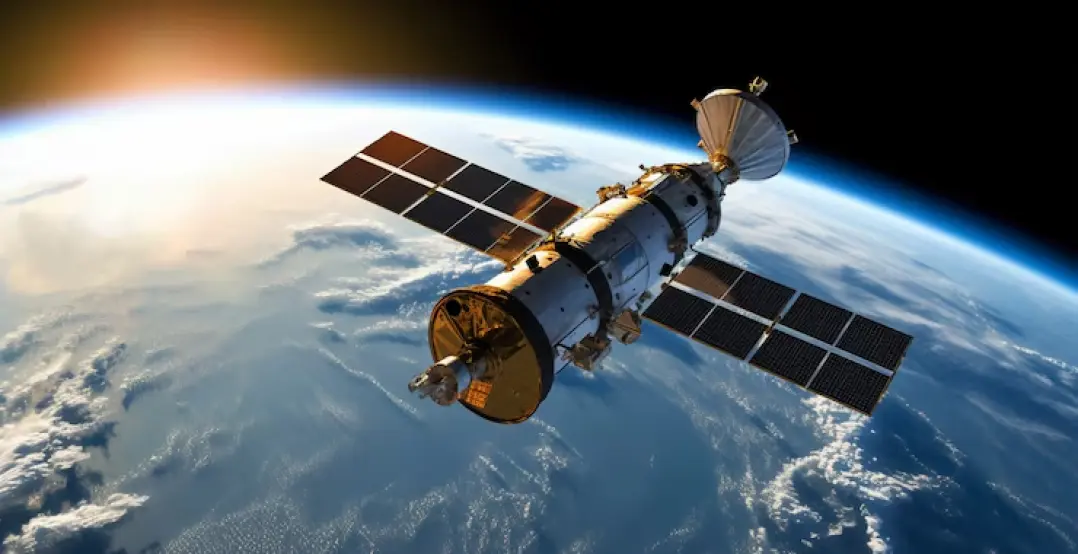
When people think of satellite jobs, they often picture engineers in labs, building shiny machines that float above Earth. But the space sector today is much more than that. Satellite jobs are now popping up in places you’d never expect. From storytelling to cybersecurity, these careers are turning the idea of space related careers on its head.
The satellite industry is growing fast, with over 7,500 active satellites orbiting our planet in 2024 and thousands more planned. This means the door is wide open for many different types of satellite jobs that don’t require a background in engineering. Let’s explore this fascinating world where satellites create space for everyone.
The Rise of Non-Engineering Satellite Jobs

Satellite jobs used to be tightly wrapped around engineering roles. For decades, building and launching satellites was the center of the space satellite economy. But now, thanks to the rapid growth of the geospatial industry, satellite jobs have stretched into surprising directions. There are space related careers today that have nothing to do with wiring a circuit or running a software simulation.
The global space economy was valued at about $546 billion in 2023, and a big slice of that is no longer about just rockets and metal. The world now needs people to analyze satellite data, create policies, design user-friendly platforms, and even build public stories around what’s happening in space.
The geospatial industry has exploded as more space satellite companies are launching satellites to track everything from climate changes to ship movements. This massive pile of space data needs human interpreters, storytellers, and creative minds. That’s why satellite jobs are starting to pull in people from journalism, law, design, and even social media. It’s no longer just about engineers in lab coats; it’s about people who can make space useful, understandable, and safe for everyone.
The Storytellers: Communications and Space Journalism
Satellite jobs have made room for those who can tell a great story. The space sector is now hungry for people who can explain complex space satellite missions in ways that everyday folks can actually understand. With space related careers grabbing more attention from the public, companies need communicators who can break things down without sounding like a science textbook.
Space journalism has also taken off in a big way. Reporters now track satellite launches, investigate policies around satellite security, and even cover the drama of commercial space races. Space blogs and news sites are booming, and satellite jobs for communication experts are suddenly front and center. If you’ve ever wanted to write about black holes one day and climate-tracking satellites the next, this corner of the space industry is wide open.
The Policy Makers: Space Law and Satellite Regulations
Here’s something not many people realize: space is getting crowded. There are thousands of satellites zooming around Earth, and the risk of collision is real. Satellite jobs now urgently need legal experts and policy advisors. These are the people who make sure satellites play nicely with each other and that international rules are followed.
Space law is a rapidly growing field. It deals with who owns satellites, what happens if one crashes into another, and how countries and companies share the space above us. Jobs that deal with space now include lawyers who can sort out these tricky questions. Without them, the space satellite traffic jam could get out of hand.
Governments and private companies are working together more than ever, which means satellite jobs are also opening up for policy professionals who can write guidelines and safety rules that keep space operations smooth and peaceful. This is one of the most important but often overlooked parts of space related careers today.
The Cyber Guardians: Space Cybersecurity
With so many satellites controlling everything from GPS to military communications, cybersecurity is now a hot topic in the geospatial industry. Space is no longer just a science playground; it’s a prime target for hackers. This has pushed satellite jobs into cybersecurity roles that never existed before.
Cybersecurity experts are now hired to protect space satellite systems from cyber-attacks that could shut down entire networks. Imagine if someone hijacked a weather satellite or messed with the systems guiding airplanes. The damage would be huge. Space-related careers now desperately need people who can build firewalls and create strong defenses for satellites floating thousands of miles above Earth.
These cybersecurity satellite jobs are attracting people with tech backgrounds who never thought they’d work in space. Suddenly, coders and IT specialists find themselves in the middle of space missions, playing a key role in keeping satellites safe.
The Design Thinkers: UX and Interface Specialists
Another unexpected area where satellite jobs are booming is user experience design, often called UX. Satellites might be in space, but the tools we use to access their data are right here on our phones and laptops. If those platforms are hard to use, all that valuable satellite data goes to waste.
That’s why satellite jobs now involve designers who can build apps, websites, and dashboards that make satellite information easy to explore. Space related careers are reaching out to creative thinkers who understand people and can make complex data feel simple. The geospatial industry has realized that good design can turn a dull chart into an exciting discovery.
This also means that artists, developers, and even game designers can now find jobs that deal with space. They get to craft the look and feel of space satellite platforms that millions of people might use.
The Training Pros: Satellite Education and Public Outreach

Satellite jobs aren’t just about using technology; they’re about teaching people how to use it. Training programs are popping up to help schools, businesses, and even farmers learn how to work with satellite data. This is why education experts are now part of the satellite workforce.
These space related careers focus on creating workshops, tutorials, and fun learning tools that bring satellite technology to life. The geospatial industry depends on well-trained users who can make smart choices based on satellite information. And let’s not forget public outreach. Satellites help track weather, monitor natural disasters, and even guide planes. The public needs to understand how all this works, and that’s where educators come in.
Training for jobs that deal with space isn’t just for astronauts anymore. It’s for teachers, coaches, and community leaders who want to help people make sense of satellite tools.
The Creative Dreamers: Space Marketing and Brand Building
Believe it or not, satellite jobs now include creative marketers who build brands and tell the world about the exciting things happening in the space satellite field. As commercial space companies grow, they need bold voices to stand out. Space marketing is not about selling a rocket; it’s about inspiring people to care about what’s happening above their heads.
Marketers, social media managers, and brand strategists are now shaping the public image of space companies. They craft stories, create campaigns, and sometimes even make memes that connect space related careers with everyday life. Space doesn’t have to be cold and distant. With the right message, it can feel personal and exciting.
The geospatial industry understands that good marketing helps attract talent, funding, and public support. So, if you’ve got a flair for storytelling and a love for space, these satellite jobs might be calling your name.
Conclusion
The world of satellite jobs has changed in ways that might surprise most people. No longer is it a space reserved just for engineers and rocket scientists. Today, satellite jobs welcome communicators, lawyers, designers, teachers, and marketers. The growth of the geospatial industry and the increasing need for space related careers has unlocked doors that were once tightly shut.
The space satellite field now thrives on diverse talent and fresh perspectives. With more than 8,000 satellites expected to orbit Earth by 2026, the demand for creative and unexpected skills will only rise. Whether it’s teaching others, protecting data, designing apps, or sharing stories, there’s a place for everyone in this new space age.
If you’re ready to explore these exciting jobs that deal with space, check out the opportunities at EVONA to start your space journey.
When people think of satellite jobs, they often picture engineers in labs, building shiny machines that float above Earth. But the space sector today is much more than that. Satellite jobs are now popping up in places you’d never expect. From storytelling to cybersecurity, these careers are turning the idea of space related careers on its head.
The satellite industry is growing fast, with over 7,500 active satellites orbiting our planet in 2024 and thousands more planned. This means the door is wide open for many different types of satellite jobs that don’t require a background in engineering. Let’s explore this fascinating world where satellites create space for everyone.
The Rise of Non-Engineering Satellite Jobs
Satellite jobs used to be tightly wrapped around engineering roles. For decades, building and launching satellites was the center of the space satellite economy. But now, thanks to the rapid growth of the geospatial industry, satellite jobs have stretched into surprising directions. There are space related careers today that have nothing to do with wiring a circuit or running a software simulation.
The global space economy was valued at about $546 billion in 2023, and a big slice of that is no longer about just rockets and metal. The world now needs people to analyze satellite data, create policies, design user-friendly platforms, and even build public stories around what’s happening in space.
The geospatial industry has exploded as more space satellite companies are launching satellites to track everything from climate changes to ship movements. This massive pile of space data needs human interpreters, storytellers, and creative minds. That’s why satellite jobs are starting to pull in people from journalism, law, design, and even social media. It’s no longer just about engineers in lab coats; it’s about people who can make space useful, understandable, and safe for everyone.
The Storytellers: Communications and Space Journalism
Satellite jobs have made room for those who can tell a great story. The space sector is now hungry for people who can explain complex space satellite missions in ways that everyday folks can actually understand. With space related careers grabbing more attention from the public, companies need communicators who can break things down without sounding like a science textbook.
Space journalism has also taken off in a big way. Reporters now track satellite launches, investigate policies around satellite security, and even cover the drama of commercial space races. Space blogs and news sites are booming, and satellite jobs for communication experts are suddenly front and center. If you’ve ever wanted to write about black holes one day and climate-tracking satellites the next, this corner of the space industry is wide open.
The Policy Makers: Space Law and Satellite Regulations
Here’s something not many people realize: space is getting crowded. There are thousands of satellites zooming around Earth, and the risk of collision is real. Satellite jobs now urgently need legal experts and policy advisors. These are the people who make sure satellites play nicely with each other and that international rules are followed.
Space law is a rapidly growing field. It deals with who owns satellites, what happens if one crashes into another, and how countries and companies share the space above us. Jobs that deal with space now include lawyers who can sort out these tricky questions. Without them, the space satellite traffic jam could get out of hand.
Governments and private companies are working together more than ever, which means satellite jobs are also opening up for policy professionals who can write guidelines and safety rules that keep space operations smooth and peaceful. This is one of the most important but often overlooked parts of space related careers today.
The Cyber Guardians: Space Cybersecurity
With so many satellites controlling everything from GPS to military communications, cybersecurity is now a hot topic in the geospatial industry. Space is no longer just a science playground; it’s a prime target for hackers. This has pushed satellite jobs into cybersecurity roles that never existed before.
Cybersecurity experts are now hired to protect space satellite systems from cyber-attacks that could shut down entire networks. Imagine if someone hijacked a weather satellite or messed with the systems guiding airplanes. The damage would be huge. Space-related careers now desperately need people who can build firewalls and create strong defenses for satellites floating thousands of miles above Earth.
These cybersecurity satellite jobs are attracting people with tech backgrounds who never thought they’d work in space. Suddenly, coders and IT specialists find themselves in the middle of space missions, playing a key role in keeping satellites safe.
The Design Thinkers: UX and Interface Specialists
Another unexpected area where satellite jobs are booming is user experience design, often called UX. Satellites might be in space, but the tools we use to access their data are right here on our phones and laptops. If those platforms are hard to use, all that valuable satellite data goes to waste.
That’s why satellite jobs now involve designers who can build apps, websites, and dashboards that make satellite information easy to explore. Space related careers are reaching out to creative thinkers who understand people and can make complex data feel simple. The geospatial industry has realized that good design can turn a dull chart into an exciting discovery.
This also means that artists, developers, and even game designers can now find jobs that deal with space. They get to craft the look and feel of space satellite platforms that millions of people might use.
The Training Pros: Satellite Education and Public Outreach
Satellite jobs aren’t just about using technology; they’re about teaching people how to use it. Training programs are popping up to help schools, businesses, and even farmers learn how to work with satellite data. This is why education experts are now part of the satellite workforce.
These space related careers focus on creating workshops, tutorials, and fun learning tools that bring satellite technology to life. The geospatial industry depends on well-trained users who can make smart choices based on satellite information. And let’s not forget public outreach. Satellites help track weather, monitor natural disasters, and even guide planes. The public needs to understand how all this works, and that’s where educators come in.
Training for jobs that deal with space isn’t just for astronauts anymore. It’s for teachers, coaches, and community leaders who want to help people make sense of satellite tools.
The Creative Dreamers: Space Marketing and Brand Building
Believe it or not, satellite jobs now include creative marketers who build brands and tell the world about the exciting things happening in the space satellite field. As commercial space companies grow, they need bold voices to stand out. Space marketing is not about selling a rocket; it’s about inspiring people to care about what’s happening above their heads.
Marketers, social media managers, and brand strategists are now shaping the public image of space companies. They craft stories, create campaigns, and sometimes even make memes that connect space related careers with everyday life. Space doesn’t have to be cold and distant. With the right message, it can feel personal and exciting.
The geospatial industry understands that good marketing helps attract talent, funding, and public support. So, if you’ve got a flair for storytelling and a love for space, these satellite jobs might be calling your name.
Conclusion
The world of satellite jobs has changed in ways that might surprise most people. No longer is it a space reserved just for engineers and rocket scientists. Today, satellite jobs welcome communicators, lawyers, designers, teachers, and marketers. The growth of the geospatial industry and the increasing need for space related careers has unlocked doors that were once tightly shut.
The space satellite field now thrives on diverse talent and fresh perspectives. With more than 8,000 satellites expected to orbit Earth by 2026, the demand for creative and unexpected skills will only rise. Whether it’s teaching others, protecting data, designing apps, or sharing stories, there’s a place for everyone in this new space age.
If you’re ready to explore these exciting jobs that deal with space, check out the opportunities at EVONA to start your space journey.