
Since 2010, the space industry has relied on SpaceX’s Falcon 9 to get to orbit. In July, sources told Bloomberg that SpaceX had stopped selling Falcon 9 launches for 2029 onward. That leaves a rocket-sized gap. Demand for launch has never been higher, and the industry now has to plan for life after Falcon 9.
In 2026, launch startups raised a record $7.8 billion across 58 funding rounds, according to space investor Space Capital. But that money will only make a difference if the industry produces a real competitor to Falcon 9 in the next two years. At the moment, no other rocket can fly as often and reliably as Falcon 9. Several companies have stepped up to take its place, but none have been able to match it yet.
So what happens next? Launch is now an open race for the first time since 2010. In this blog, we look at who’s trying to fill the gap and what life after Falcon 9 means for founders and engineers.
Why SpaceX Is Stepping Back From Falcon 9
SpaceX’s 2028 cutoff includes rideshare, where one rocket carries dozens of small satellites from different customers. SpaceX has also stopped making some of Falcon 9’s single-use parts. The company hasn’t said why.
But its IPO prospectus, filed ahead of its record-breaking listing in June, said “we expect Falcon 9 launches to decrease over time,” according to The Space Review. And commercial flights are the first to go. For now, government and crew missions will keep flying on Falcon 9.
Starship Isn’t a Falcon 9 Replacement Yet
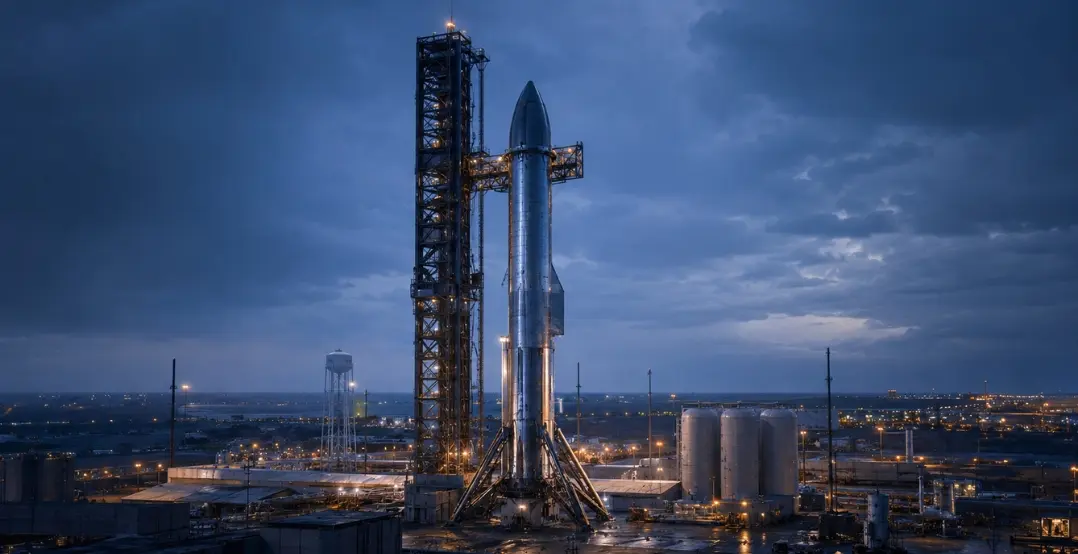
SpaceX’s focus is Starship, which reached orbit on September 28. For now, it can’t serve the wide range of customers Falcon 9 does. SpaceX designed Starship for Starlink. It releases satellites into orbit through a narrow slot built for flat Starlink satellites. Companies that relied on Falcon 9 now need to find another ride. As Space Capital put it: “The easy button is going away.”
Satellite Companies Will Feel the Launch Shortage First
Some are already waiting. Amazon has built more than 1,000 satellites for its Amazon Leo internet network but launched only 396. Hundreds more are waiting at Kennedy Space Center for a ride to space. “We solved the production problem,” Amazon told Via Satellite. “Now we’re ready to go as rockets become available.”
People are relying on satellites more than ever, for internet in remote towns and on planes and ships. At the same time, governments are building their own satellite networks to keep watch over their territory. That demand is why satellite companies are on track for a record $14.8 billion in investment this year, according to Space Capital.
In the US, the White House wants more launches too. In August, it set a target of 1,000 launches and reentries a year from US facilities by 2030, Via Satellite reported. Last year, the US managed only 178 launches, according to Reuters.
This Is Good News for New Rocket Companies
Space Capital calls the launch shortage “the best thing to happen to the launch market in a decade.” For years, many satellite companies booked a Falcon 9 because it was the cheapest, most reliable option. The lack of supply gives newer rocket companies paying customers and a reason for investors to back them. One example is Rocket Lab’s Neutron. Even though it hasn’t flown yet, a customer bought five Neutron launches in May, and Kepler Communications booked a dedicated mission in August.
The Setbacks Slowing Falcon 9’s Rivals
New Rockets Take Years to Fly
But the journey from prototype to flight is plagued with setbacks. SpaceX experienced this too. Its first rocket, Falcon 1, failed three times before reaching orbit in 2008, and a Falcon 9 exploded on the pad in 2016. And this year, three of Falcon 9’s rivals hit setbacks:
- Vulcan (ULA), February: one of its solid rocket boosters malfunctioned during a Space Force mission. The Space Force paused national security launches on Vulcan and moved a GPS satellite to Falcon 9.
- New Glenn (Blue Origin), May: the rocket exploded on the pad during an engine test, damaging Blue Origin’s only orbital launch pad.
- Neutron (Rocket Lab), October: first flight delayed again after engineers found air pockets in a carbon-fiber tank dome. Rocket Lab will set a new date after testing in early 2027.
The industry expects the worst of the launch crunch between 2029 and 2031, according to The Space Review. Each setback costs months, and a first flight is only the start. To replace Falcon 9, a rocket has to fly often and reliably.
The Rockets Still Preparing to Launch
Others are still preparing for their first flights. Stoke Space raised $1 billion in September and plans to fly its reusable Nova rocket in early 2027. Relativity Space has finished acceptance testing on all 13 first-stage engines for its Terran R rocket. And according to Bloomberg, Blue Origin raised at least $10 billion in its first outside funding round as it works to get New Glenn flying again.
What Life After Falcon 9 Means for Space Jobs
If the current funding holds, the end of the decade could see more serious rocket companies than at any point since 2010. And according to Space Capital, the ones that make it won’t stay launch-only for long. Once a company can reach orbit on its own, it can use that access to expand into other businesses, like satellites and communications.
Launch Companies Will Hire Beyond Propulsion
Some are already doing this. Rocket Lab is buying the satellite network Iridium, and SpaceX is building data centers. If more follow, launch companies could be hiring well beyond propulsion. A rocket company that also runs satellites needs spacecraft engineers and people who can operate a satellite network, as well as the teams who build its engines.
What It Means for Founders and Engineers
For founders, it means more competition for the same people, so start hiring well before the milestone that needs them. For engineers, it means more serious employers to choose from than at any time since 2010. Before you join one, check out our guide to the signs a space startup is a safe bet. As Space Capital puts it, the next five years “belong to whoever can put mass in orbit on schedule.”
The companies that lead life after Falcon 9 will need the right people to get there, and to grow beyond launch once they have. Hiring propulsion, GNC or test engineers for what comes next? Talk to our team. Looking for your next move? Take a look at the space roles we’re hiring for right now.