
Why the Space Industry Is Open to Everyone: Reflections from Florida’s Space Economy Panel
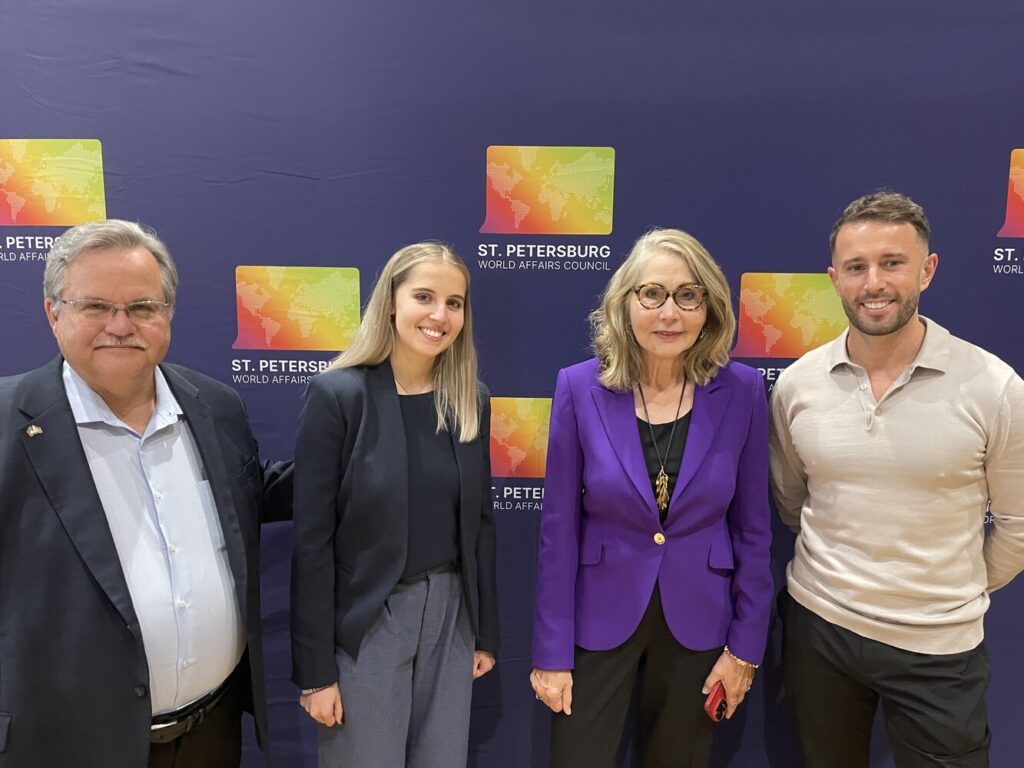
Recently, EVONA Co-Founder & CEO Tom Kelly joined a panel discussion in Florida focused on the growing commercial links between the UK and US space sectors. Hosted by the British American Business Council of Central Florida, the conversation explored how Florida’s space economy is expanding and creating new opportunities for collaboration, innovation, and investment across the Atlantic.
One theme stood out clearly throughout the discussion: the future of the space economy will ultimately be shaped by people.
As Tom put it during the panel:
“Space is certainly open to everybody. I don’t think there’s a skillset we haven’t recruited for.”
It’s a simple statement, but it captures something that often gets overlooked when people talk about the industry.
The Space Sector Is Broader Than Many People Realise
When people think about careers in space, they often picture astronauts or highly specialised aerospace engineers. While those roles absolutely exist, the reality is that the space sector is far broader.
Across the companies we work with, we see demand for an incredibly wide range of skills, including:
- Systems engineering and propulsion
- Software, AI, and data science
- Manufacturing and advanced materials
- Mission operations and satellite communications
- Commercial, legal, and programme leadership roles
As the industry scales, it increasingly needs professionals from multiple disciplines to build, operate, and commercialise space technology.
That diversity of opportunity was a key part of the discussion in Florida. As space companies expand and new commercial pathways open between the US and the UK, the industry will rely on talent from a wide range of backgrounds to deliver outcomes.
Why Talent Is the Execution Layer in the Space Industry
There is a lot of conversation in the sector about funding and technological innovation – both of which are vital – but those things alone can’t deliver missions.
Technology defines what’s possible, capital enables ambition, but talent is what ultimately executes the mission.
At EVONA, we see this every day through our work with space and defence companies around the world. The companies that scale successfully are the ones that recognise talent as a strategic priority, not an afterthought.
Making Space Careers Visible
This is also why EVONA invests time beyond recruitment through our STEM initiative.
Alongside supporting companies as they scale, we spend time visiting schools and universities to help students understand the many different career pathways available within the space sector. The goal is simple: to make the industry feel visible and accessible to the next generation of talent.
For many students, the space industry can feel distant or unattainable. But the reality is that there are countless ways to contribute – whether through engineering, software, operations, commercial roles, or emerging technologies like AI.
The more visible those pathways become, the stronger the future workforce will be.
Building the Next Phase of the Space Economy
Events like the Florida panel are an important reminder that the space ecosystem is becoming increasingly global. Collaboration between regions such as the UK and the US is helping accelerate innovation, investment, and commercial growth across the sector.
But ultimately, the success of that ecosystem will depend on the people building it.
And the opportunity for those people is broader than many still realise.
Space isn’t just for a select few – it’s an industry open to anyone with the skills, curiosity, and ambition to help shape what comes next.