
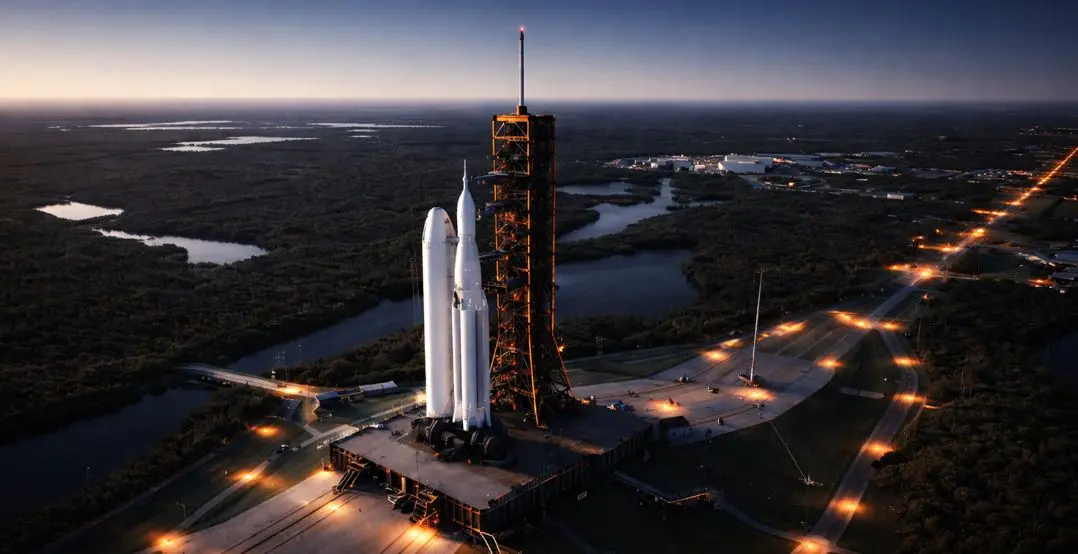
While space has always been the final frontier, it feels more like a bustling construction site right now, with rockets taking off, satellites in orbit, and astronauts preparing for more extended stays beyond Earth. Although this is very exciting, challenges for space exploration can’t be handled. These problems, such as how to sustain life on Mars and how to remove space junk that interferes with Earth’s orbit, are also creating a new wave of jobs in the space industry.
Reports indicate that by 2040, the global space economy is expected to be worth more than $1 trillion. This will create a need for talent in places that no one would have thought of ten years ago. This piece delves into great detail about the primary challenges facing space exploration, their significance, and how these challenges are generating new opportunities for career growth and employment in space.
Space Debris and Orbital Traffic Management
The rising cloud of space junk circling our planet is one of the loudest alarms in the business. More than 36,000 items bigger than 10 cm have been tracked as they circle the Earth right now, along with millions of smaller pieces.
Even very small pieces can do a lot of damage to spaceships or satellites moving at thousands of miles per hour. This is one of the biggest problems in space research right now, because future missions could be pushed back or even canceled if orbital traffic control isn’t clear.
As a result of this problem, new jobs in space are opening up in areas like technologies for getting rid of space junk, monitoring orbits, and even making rules for space travel. Jobs in space don’t just mean being an astronaut anymore. They can also mean being a lawyer writing rules about orbital mechanics or an engineer making nets, lasers, or robotic arms to clean up Earth’s orbit.
Sustaining Human Life Beyond Earth
Finding ways to keep astronauts living, healthy, and mentally stable during long missions is another important problem that needs to be solved right away. There is more to space life than just oxygen tanks and freeze-dried food. This is clear from NASA’s Artemis program, China’s plans for a lunar base, and conversations about settling on Mars. Long-term tasks are hard because of the radiation, muscle loss, and mental health risks.
Taking on these space exploration challenges is creating jobs in fields like mental health, nutrition, biotechnology, and even virtual reality therapy that are tied to space. There are a lot of great job opportunities for psychologists who help astronauts deal with being alone and experts in the life sciences who can design systems that recycle air, water, and food. It’s like making a new Earth, but there will be less takeout and the journey will be much worse.
Powering Missions in Deep Space
Even though rockets can get us off the ground, we need much more advanced power sources to keep missions to Mars or the asteroid belt going. Traditional fuel has its limits, and the space industry is trying to find ways to use nuclear power and clean energy to power colonies beyond Earth. This energy gap is one of the most interesting problems in space development because it gives engineers working in both space and renewable energy new ways to do things.
New jobs are opening up in nuclear physics, clean energy storage, and designing solar panels that can work on the dusty surfaces of the moon. Working on energy systems for deep space is a career path with a lot of room for professional growth for people who want to work in space but don’t want to leave Earth.
Space Mining and Resource Utilization
Earth’s resources are being used up quickly, so space mining is no longer just a science fiction idea. The plan is easy: mine rocks for metals like platinum or get water from the ice on the moon to use as rocket fuel. The question? Making that dream a reality that can be supported by money. This is one of the most interesting business problems for space travel, and it’s creating jobs in space that go beyond astronautics.
People who work in geology, data analysis, robotics, and even banking are now talking about space mining. Space-related jobs are moving into fields like resource management, robots automation, and planetary science, which opens up whole new ways to advance in your career. According to data from Goldman Sachs, mining asteroids could become a multi-billion dollar business in the next few decades. This shows how important this field has become.
Cybersecurity in the Cosmos
Attacks on satellites are more likely to happen as the number of them rises. Imagine someone taking over a communication satellite or messing up world navigation systems. Because of this, cybersecurity is one of the most important but often overlooked problems in space travel right now. The good news is that this threat is making people want to work in jobs that mix IT and space.
Space companies are hiring more and more cybersecurity experts, software writers, and systems engineers. There is a lot of job growth in this field because the space business has to keep up with threats around the world. Having a wrench in a rocket hangar is no longer a career related to space. Now, it’s also a job related to having encryption keys to protect satellites.
The Human Factor: Training the Next Generation
So far, every problem discussed has been tied back to one main issue: people. One of the most challenging aspects of space travel is preparing people for the space age through education and training. Universities and aerospace staffing firms are changing their programs to include more robots, AI, and space law. At the same time, businesses are putting money into internships and partnerships around the world.
This change is opening up a lot of great job possibilities in fields like teaching, mentoring, and corporate training. Space jobs aren’t just technical anymore; they also include teaching, program management, and community coordination, all of whom are building the next generation of space professionals. This means that there are more routes than ever before for students who want to work in space.
Conclusion
Space travel faces many difficult problems, from controlling space junk in Earth’s orbit to figuring out how to keep people alive millions of miles away. But with every problem comes a chance. Space-related jobs are growing in fields like biotechnology, cybersecurity, energy creation, and even mining. This shows that space jobs are more than just donning a spacesuit.
At the same rate that rocket launches fill the sky, job growth in the space industry is speeding up. Not only will the next ten years be marked by how far humans can go into space, but also by the new jobs we make along the way.
For anyone curious about where they might fit into this expanding universe of opportunity, explore openings at Evona and take your first step into a career that’s truly out of this world.
While space has always been the final frontier, it feels more like a bustling construction site right now, with rockets taking off, satellites in orbit, and astronauts preparing for more extended stays beyond Earth. Although this is very exciting, challenges for space exploration can’t be handled. These problems, such as how to sustain life on Mars and how to remove space junk that interferes with Earth’s orbit, are also creating a new wave of jobs in the space industry.
Reports indicate that by 2040, the global space economy is expected to be worth more than $1 trillion. This will create a need for talent in places that no one would have thought of ten years ago. This piece delves into great detail about the primary challenges facing space exploration, their significance, and how these challenges are generating new opportunities for career growth and employment in space.
Space Debris and Orbital Traffic Management
The rising cloud of space junk circling our planet is one of the loudest alarms in the business. More than 36,000 items bigger than 10 cm have been tracked as they circle the Earth right now, along with millions of smaller pieces.
Even very small pieces can do a lot of damage to spaceships or satellites moving at thousands of miles per hour. This is one of the biggest problems in space research right now, because future missions could be pushed back or even canceled if orbital traffic control isn’t clear.
As a result of this problem, new jobs in space are opening up in areas like technologies for getting rid of space junk, monitoring orbits, and even making rules for space travel. Jobs in space don’t just mean being an astronaut anymore. They can also mean being a lawyer writing rules about orbital mechanics or an engineer making nets, lasers, or robotic arms to clean up Earth’s orbit.
Sustaining Human Life Beyond Earth
Finding ways to keep astronauts living, healthy, and mentally stable during long missions is another important problem that needs to be solved right away. There is more to space life than just oxygen tanks and freeze-dried food. This is clear from NASA’s Artemis program, China’s plans for a lunar base, and conversations about settling on Mars. Long-term tasks are hard because of the radiation, muscle loss, and mental health risks.
Taking on these space exploration challenges is creating jobs in fields like mental health, nutrition, biotechnology, and even virtual reality therapy that are tied to space. There are a lot of great job opportunities for psychologists who help astronauts deal with being alone and experts in the life sciences who can design systems that recycle air, water, and food. It’s like making a new Earth, but there will be less takeout and the journey will be much worse.
Powering Missions in Deep Space
Even though rockets can get us off the ground, we need much more advanced power sources to keep missions to Mars or the asteroid belt going. Traditional fuel has its limits, and the space industry is trying to find ways to use nuclear power and clean energy to power colonies beyond Earth. This energy gap is one of the most interesting problems in space development because it gives engineers working in both space and renewable energy new ways to do things.
New jobs are opening up in nuclear physics, clean energy storage, and designing solar panels that can work on the dusty surfaces of the moon. Working on energy systems for deep space is a career path with a lot of room for professional growth for people who want to work in space but don’t want to leave Earth.
Space Mining and Resource Utilization
Earth’s resources are being used up quickly, so space mining is no longer just a science fiction idea. The plan is easy: mine rocks for metals like platinum or get water from the ice on the moon to use as rocket fuel. The question? Making that dream a reality that can be supported by money. This is one of the most interesting business problems for space travel, and it’s creating jobs in space that go beyond astronautics.
People who work in geology, data analysis, robotics, and even banking are now talking about space mining. Space-related jobs are moving into fields like resource management, robots automation, and planetary science, which opens up whole new ways to advance in your career. According to data from Goldman Sachs, mining asteroids could become a multi-billion dollar business in the next few decades. This shows how important this field has become.
Cybersecurity in the Cosmos
Attacks on satellites are more likely to happen as the number of them rises. Imagine someone taking over a communication satellite or messing up world navigation systems. Because of this, cybersecurity is one of the most important but often overlooked problems in space travel right now. The good news is that this threat is making people want to work in jobs that mix IT and space.
Space companies are hiring more and more cybersecurity experts, software writers, and systems engineers. There is a lot of job growth in this field because the space business has to keep up with threats around the world. Having a wrench in a rocket hangar is no longer a career related to space. Now, it’s also a job related to having encryption keys to protect satellites.
The Human Factor: Training the Next Generation
So far, every problem discussed has been tied back to one main issue: people. One of the most challenging aspects of space travel is preparing people for the space age through education and training. Universities and aerospace staffing firms are changing their programs to include more robots, AI, and space law. At the same time, businesses are putting money into internships and partnerships around the world.
This change is opening up a lot of great job possibilities in fields like teaching, mentoring, and corporate training. Space jobs aren’t just technical anymore; they also include teaching, program management, and community coordination, all of whom are building the next generation of space professionals. This means that there are more routes than ever before for students who want to work in space.
Conclusion
Space travel faces many difficult problems, from controlling space junk in Earth’s orbit to figuring out how to keep people alive millions of miles away. But with every problem comes a chance. Space-related jobs are growing in fields like biotechnology, cybersecurity, energy creation, and even mining. This shows that space jobs are more than just donning a spacesuit.
At the same rate that rocket launches fill the sky, job growth in the space industry is speeding up. Not only will the next ten years be marked by how far humans can go into space, but also by the new jobs we make along the way.
For anyone curious about where they might fit into this expanding universe of opportunity, explore openings at Evona and take your first step into a career that’s truly out of this world.