
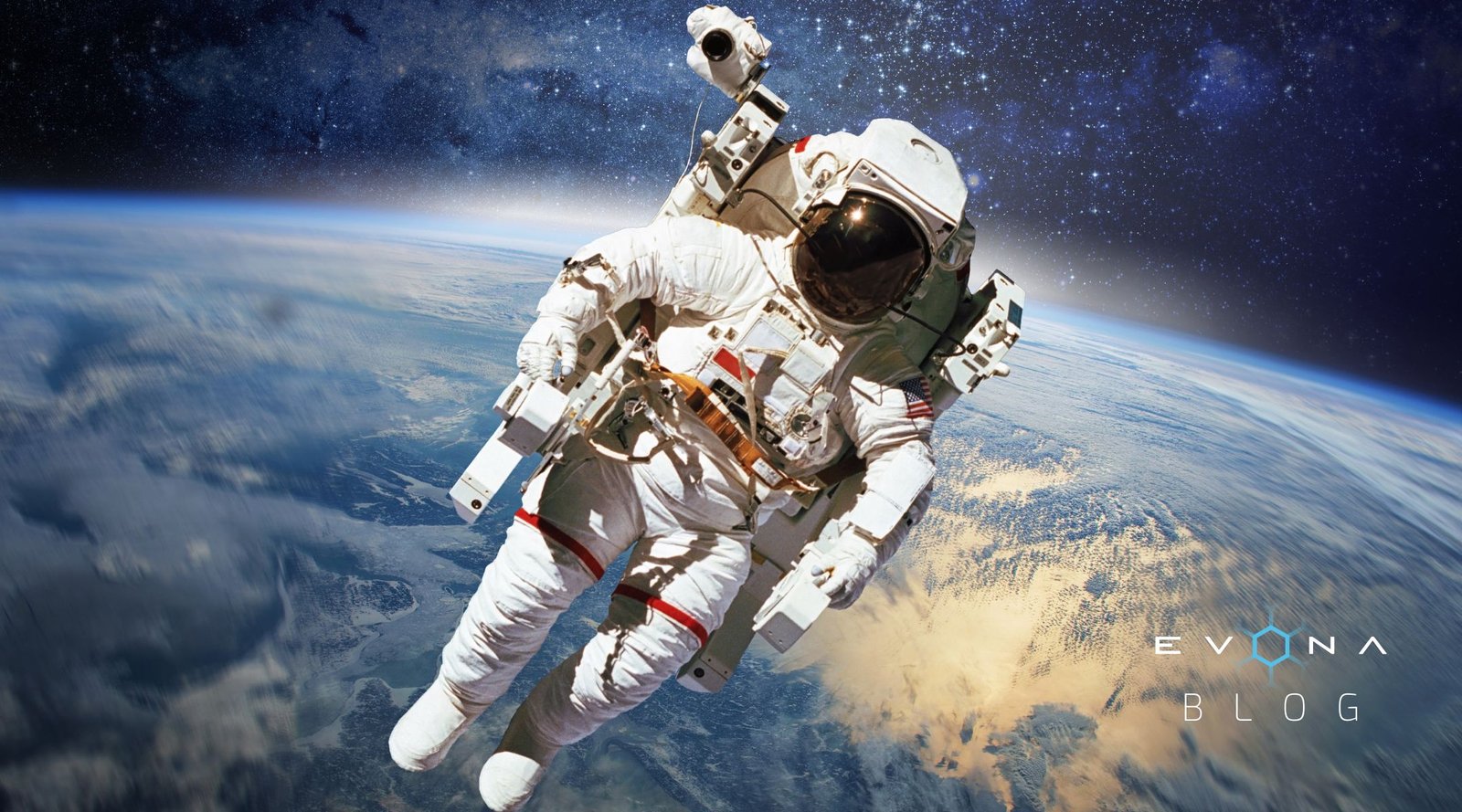
The rigors of long-duration space missions aren’t only physical.
Astronauts face unique mental health challenges too, caused by factors such as isolation, disrupted circadian rhythms, and the sheer pressure of their responsibilities.
This Mental Health Awareness Week, let’s explore practical strategies to maintain mental wellbeing during such missions, as well as why they’re so crucial.
Isolation: From Out of Reach to Within Touch

One of the most significant challenges of space missions is isolation. This challenge isn’t just about being physically distant from loved ones—it also includes the inability to communicate in real-time due to long signal delays. This combination can result in feelings of loneliness and disconnectedness, negatively impacting an astronaut’s mental health.
Astronauts are encouraged to maintain regular contact with their families and friends, utilizing recorded video messages and emails. This form of communication provides a connection to home, alleviating some of the loneliness experienced during a mission.
Adding to the technological arsenal is the Microsoft HoloLens, a groundbreaking tool currently being utilized by astronauts on the International Space Station (ISS). Through the T2 Augmented Reality (T2AR) project, astronauts are using this AR software to maintain and service the Combined Operational Load Bearing External Resistance Treadmill (COLBERT), a vital onboard exercise mechanism. Not only does this technology provide a means of sustaining physical health, but it also offers a potential channel for reducing isolation.
The HoloLens could be used for virtual social events, allowing astronauts to interact with their families and friends back on Earth in a more immersive and real-time manner. This use of augmented reality could transform the way astronauts experience social interaction in space, providing them with a stronger sense of connection and reducing feelings of isolation.
On top of individual connections, fostering a sense of community and camaraderie in space is crucial. Regular virtual social events, such as movie nights or game sessions with the crew, can facilitate this. By integrating these social practices into their routines, astronauts can replicate some of the social interaction found on Earth, helping to combat the effects of isolation.
Disrupted Sleep Patterns: Resetting the Body’s Clock
 In the challenging environment of space, maintaining a healthy sleep schedule becomes complicated. The rapid cycle of sunrises and sunsets—every 90 minutes—can disrupt an astronaut’s circadian rhythms, leading to sleep deprivation. Sleep deprivation can cause mood disorders, decreased cognition, and impaired performance—dangerous effects in the high-stakes environment of space.
A structured sleep schedule, aided by timed exposure to specific light wavelengths, is a practical solution. This strategy helps reset the body’s internal clock, simulating the night-day cycle found on Earth. Ensuring astronauts have comfortable sleeping environments, including effective light blocking and noise control, can also improve sleep quality, maintaining both physical and mental wellbeing.
High Stakes and High Stress: Tools for Anxiety Management
 Long-duration space missions involve immense pressure. The responsibility of executing the mission successfully, the risk of potential failures, and the overall extreme environment can trigger stress and anxiety.
Regular mindfulness practices, such as meditation and yoga, can help astronauts manage these mental health challenges. These techniques promote relaxation and a sense of peace, helping to maintain mental stability amidst high-stress situations. Additionally, psychological support from Earth-based professionals, through routine check-ins and counseling sessions, provides essential mental health care.
Onboard the spacecraft, maintaining a balanced diet and regular exercise regimen is equally important. A well-rounded diet ensures the brain has necessary nutrients to function correctly, and physical exercise releases endorphins, the body’s natural mood elevators.
Pre-Flight Training: Building Resilience Before Lift-Off
 The preparation for mental health challenges in space begins long before lift-off. Pre-flight training plays a crucial role in equipping astronauts with the mental resilience they’ll need for their journey. Techniques like virtual reality simulations and team-building exercises help develop skills necessary to handle the stressors they’ll encounter.
Virtual reality simulations offer a realistic portrayal of the space environment, allowing astronauts to acclimatize to the experience and manage potential mental stressors. Team-building exercises foster a strong sense of community and trust among the crew members, a factor that can be crucial for maintaining mental wellbeing during a mission.
As we continue to push the boundaries of human space travel, the mental wellbeing of astronauts is paramount for mission success and their long-term health. This Mental Health Awareness Week, let’s prioritize the mental health of our astronauts just as we would any other individuals in demanding professions. They face not only the immense vastness of space, but also the internal challenges of maintaining mental wellbeing in an environment like no other.
Fostering resilience, building connections, and promoting mindful habits are just as vital in space as they are on Earth. The journey to explore outer space isn’t just a physical one—it’s a mental voyage as well, and caring for our explorers’ minds is a duty we mustn’t overlook.

 The space industry is marked by unique stressors that set it apart from other fields. It’s crucial to understand these distinct stressors to form a solid foundation upon which effective stress management strategies can be built.
 In an industry that continually pushes the boundaries of technological innovation, it’s only fitting to harness the power of technology for stress management. Numerous applications and software are specifically designed to promote mental wellbeing. They offer a range of features such as guided meditation, mood tracking, cognitive behavioral therapy (CBT) techniques, and more. Integrating these digital tools into daily routines can provide immediate relief when stress levels begin to surge, offering a convenient and readily accessible solution.
 In the demanding landscape of the space industry, stress management is a crucial component of both individual and collective success. By acknowledging the unique stressors and implementing innovative, industry-specific strategies, space industry professionals can not only survive but thrive in their roles. Stress is indeed an inherent part of the job, but with the right tools and strategies, it can be effectively managed.
 Festival grounds can be sprawling and complex, making it challenging for attendees to navigate and locate various stages, amenities, or facilities. Space-based technologies, including satellite navigation systems like GPS (Global Positioning System), can help festival-goers find their way around with ease.
 Effective communication is vital for organizing and managing large-scale festivals.
 Satellite communication enables seamless and reliable communication channels between festival organizers, emergency response teams, and medical personnel. In emergency situations, instant communication is vital for swift coordination and effective decision-making. Satellites ensure uninterrupted connectivity, facilitating immediate response and reducing response time.
 One of the most captivating aspects of festivals is the visual spectacle they offer. Space-based technologies like satellite imagery and live streaming enable organizers to capture and broadcast breath-taking aerial views of festivals to a global audience. High-resolution satellite imagery provides a unique perspective, showcasing the scale and grandeur of the event like never before.
 Festivals often leave a significant environmental footprint. Satellites can aid in monitoring and minimizing these impacts. Remote sensing satellites can assess air quality, monitor waste management practices, and analyze the ecological impact of festivals.

 From designing high-performance engines to creating cutting-edge electric vehicles, automotive industry professionals are renowned for their precision engineering skills. They are adept at developing complex mechanisms that function reliably under various conditions, making them invaluable in the meticulous design and development of spacecraft. Their experience in creating vehicles that offer high performance, efficiency, and reliability translates seamlessly to the space industry, where the design and production of spacecraft require a similar level of precision, performance, and reliability.
 The automotive industry is at the forefront of incorporating advanced manufacturing techniques, including automation, robotics, and additive manufacturing. Automotive professionals are well-versed in these techniques, understanding how to use them to optimize production efficiency and quality. Such expertise is invaluable in the space industry, where the manufacturing of spacecraft components demands high precision, efficiency, and consistency. These professionals can apply their knowledge to streamline production processes, reduce waste, and enhance the overall quality of space hardware.
 Automotive professionals excel in managing intricate supply chains, ensuring timely and efficient delivery of parts and components for vehicle assembly. This involves coordinating with various suppliers, managing inventory, and troubleshooting any issues that might disrupt the supply chain. The space industry, where complex, international supply chains are the norm, can greatly benefit from this expertise. Efficient supply chain management in the space sector can minimize delays, reduce costs, and ensure that missions stay on schedule.
 The automotive industry operates under strict safety regulations and quality assurance protocols to ensure the reliability and safety of vehicles. Professionals from this industry are accustomed to these high standards and stringent regulatory environments. They can bring this culture of safety and quality to the space industry, helping uphold and even enhance safety protocols and quality standards. This is especially critical in the high-stakes environment of space missions, where the smallest oversight can have significant consequences.
 Automotive professionals are highly experienced in systems integration – the process of ensuring various components and systems function harmoniously. This skill is directly applicable to spacecraft, which comprise numerous interconnected systems – propulsion, communication, life support, and more – that need to work flawlessly together. Automotive professionals can contribute significantly to this aspect, ensuring seamless integration of various systems to optimize spacecraft functionality.
 The automotive industry is a hotbed of innovation and rapid prototyping, driven by the constant push for better performance, efficiency, and sustainability. Automotive professionals bring this mindset of continual improvement and rapid iteration to the space industry, driving technological advancements and swiftly turning concepts into tangible solutions. This can help the space industry stay ahead of the curve, anticipate future challenges, and develop proactive solutions.
 Navigating a career transition from the automotive industry to the space sector may seem challenging, but with the right guidance and support, it becomes a rewarding journey of growth and discovery. That’s where EVONA comes in.
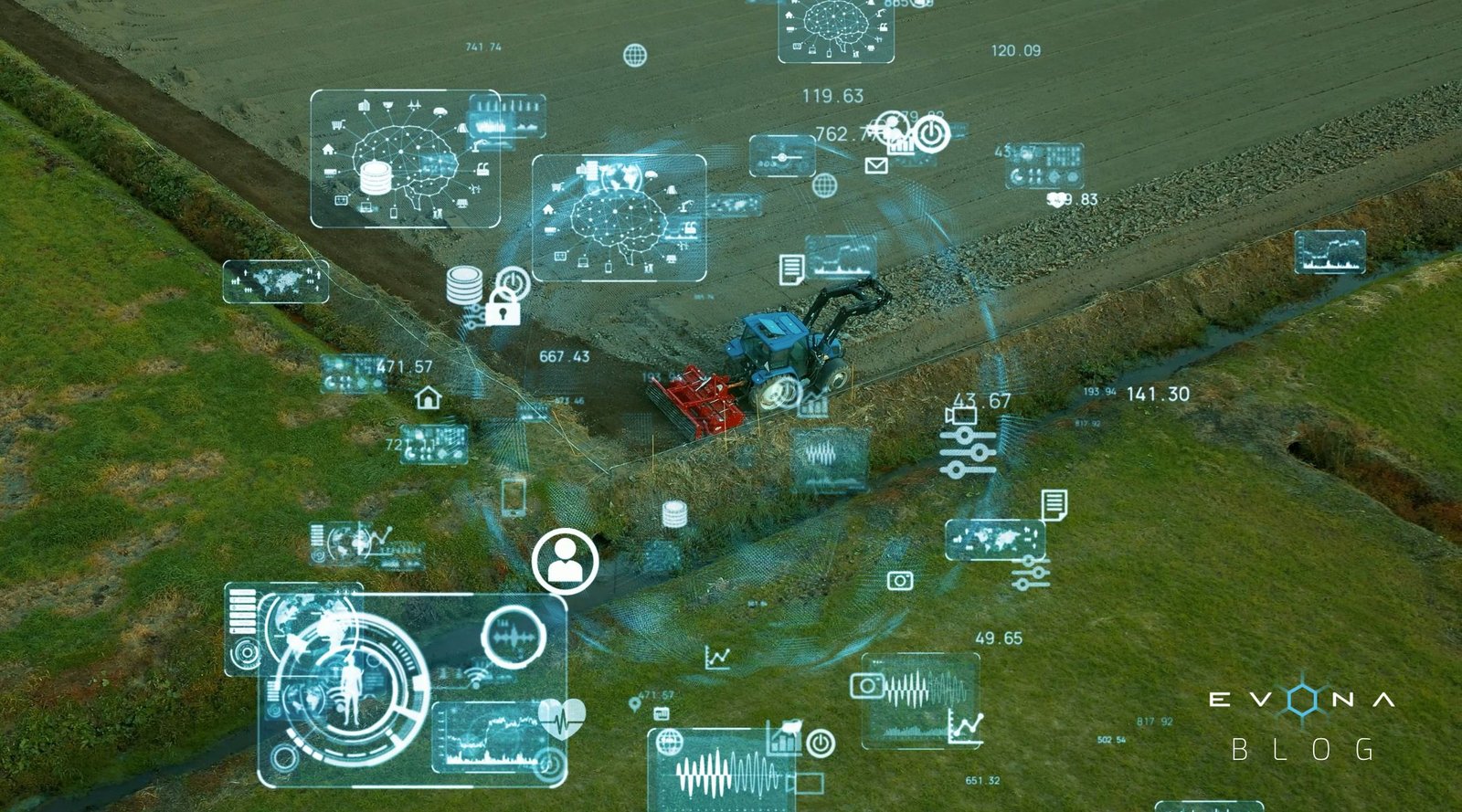

 As the agri-tech sector gains momentum, venture capital investments and government support are pouring in. Innovative startups are attracting significant funding, leading to breakthroughs that promise to reshape the future of agriculture. This influx of capital is not only driving technological advancements but also fostering a culture of innovation and collaboration across the industry.

 Pharmaceutical professionals have a solid grounding in scientific disciplines, such as chemistry, biology, and physics. Their knowledge in these areas is crucial for addressing a wide range of challenges within the space sector. For instance, they can apply their expertise in developing life support systems, advancing space medicine, and innovating materials science to create cutting-edge solutions for the next generation of space missions.
 In the pharmaceutical industry, professionals must navigate stringent regulations and ensure quality control in drug development processes. This expertise in regulatory compliance and quality assurance can greatly benefit the space industry, which also faces strict safety and performance requirements. Pharmaceutical professionals can help the space industry manage risk, adhere to industry standards, and maintain operational integrity by implementing best practices in compliance and quality management.
 The pharmaceutical industry often requires collaboration between experts from different disciplines, such as biology, chemistry, engineering, and computer science. This collaborative background can facilitate effective teamwork in the space industry, where interdisciplinary cooperation is critical for solving complex problems and developing innovative solutions. Pharmaceutical professionals can act as a bridge between diverse specialists, fostering a collaborative culture that accelerates the pace of innovation in space exploration.
 The dynamic nature and constantly evolving landscape of the pharmaceutical industry require professionals to adapt to change and overcome obstacles. This resilience and adaptability can be invaluable assets in the space industry, where rapid technological advancements and unforeseen challenges are commonplace. Pharmaceutical professionals are well-equipped to navigate the uncertainties and complexities of space exploration, bringing a steadfast and adaptable approach to their work.

 In recruitment, biases can lead to generalizations that determine the right candidate for a job based not on their skills, but on factors such as their name or nationality. A study by Raconteur found that white British applicants received a positive response from employers 24% of the time, compared to only 15% for ethnic minority applicants with identical CVs and cover letters. Another research showed that resumes featuring white-sounding names are 50% more likely to get an interview than ethnic-sounding names, even with identical qualifications. Gender biases are also common, with certain roles historically attracting one gender over another, such as female nurses or male engineers. This not only suppresses diversity but also impedes the industry’s capacity for innovation and problem-solving.
 The presence of unconscious bias within team dynamics erodes collaboration and productivity. Employees subjected to prejudice may feel alienated, leading them to withhold valuable ideas and solutions. This sense of exclusion can result in disengagement, which translates to considerable losses for organizations. In fact, a study by Coqual revealed that employees who perceive bias are 2.6 times more likely to report having withheld ideas and market solutions during the previous six months. Addressing and mitigating unconscious bias is essential to foster a supportive and inclusive environment where all team members can contribute effectively, ultimately driving the success of the organization.
 A company culture pervaded by unconscious bias fosters an environment where stereotypes are perpetuated and specific groups are marginalized. Shockingly, 48% of African American women and 47% of Latina women have reported being mistaken for administrative or custodial staff, highlighting the prevalence of harmful stereotypes. Such bias also impacts employee retention, as those who perceive bias in the workplace are more likely to consider leaving their current job within the year. Moreover, the financial implications of workplace bias are substantial, as it contributes to the loss and replacement of over 2 million American workers annually due to unfairness and discrimination. Addressing unconscious bias is, therefore, crucial not only for promoting a diverse and inclusive work environment, but also for reducing the considerable financial burden it places on organizations.
 Performance evaluations, promotion, and career advancement are areas where subconscious bias can have significant impacts on employees and employers. Biases may influence how employees are assessed, with some individuals being undervalued or overvalued based on factors unrelated to their actual job performance. A study published in the American Economic Review found that women received 14% lower performance ratings than men with similar performance in male-dominated occupations. This negatively impacted their promotion rates and career advancement opportunities. Additionally, the 2021 Women in the Workplace report by McKinsey & Company and LeanIn.Org found that women held only 38% of managerial positions in the United States, and women of color held a mere 12% of these positions, demonstrating barriers to career advancement for underrepresented groups.
 When subconscious bias results in discriminatory practices, employers may face legal repercussions. According to the U.S. Equal Employment Opportunity Commission (EEOC), the agency received 67,448 charges of workplace discrimination in the fiscal year 2020. Although this figure is lower than previous years, it highlights the ongoing presence of discrimination and bias in the workplace. In the same year, the EEOC secured $439.2 million for victims of discrimination through voluntary resolutions and litigation. This underscores the significant financial and reputational risks for organizations that fail to address subconscious bias and discriminatory practices.
 Addressing unconscious bias in the space sector is crucial for fostering an inclusive and innovative industry. Here are several strategies companies can implement: