The world of space-related insurance is characterized by audacity, innovation, and staggering financial stakes.
Throughout history, numerous instances have emerged that redefine our understanding of the risks and financial protection associated with space exploration. From the ingenious insurance covers of the Apollo 11 astronauts to the modern-day private spaceflight era led by companies like SpaceX and Blue Origin, the realm of space insurance has witnessed remarkable developments.
We’re delving into the realm of space insurance to explore some of the most extraordinary and expensive policies ever written:
The Ingenious Insurance of Apollo 11
The tale begins in 1969 with the epoch-defining Apollo 11 mission, an expedition replete with risk, excitement, and uncertainties. The astronauts themselves, with their unconventional ‘insurance covers’ – autographed postal covers that their families could sell in case of an unfortunate event – challenged our traditional perception of insurance. These postal covers, although not a formal insurance policy, were an ingenious method of financial protection, showing the innovative spirit that pervades space exploration.
The Human Element: Armstrong and Aldrin’s Lunar Leap
Beyond tangible assets, insurers have also had to consider the human element of space travel. Neil Armstrong and Buzz Aldrin’s monumental moon landing in 1969 wasn’t just a historical moment; it was also a landmark for insurance. The astronauts secured their families’ futures through an unconventional method – autographed envelopes, known as ‘Apollo Insurance Covers’, that would be sold in case their mission ended in tragedy.
Protecting the Uninsurable: The International Space Station
Arguably the most complex and costly structure ever crafted by humanity, the International Space Station (ISS), strikingly lacks an insurance policy. Despite the inherent risks – space debris, spacecraft dockings, solar flares – the ISS is a unique case where the cost to insure it would be prohibitive, considering the U.S. alone has invested over $75 billion in the project.
Insuring the entire ISS, with the U.S. alone investing over $75 billion, was deemed impractical during discussions with International Space Brokers in 2001. Instead, liability insurance, protecting NASA from lawsuits in case of ISS debris damage, emerged as an alternative. The idea of insuring “high-value property” on the ISS was also considered. However, due to various challenges, NASA typically operates without insurance, assuming the risk of inevitable losses from its missions.
Despite remaining uninsured, the ISS has instigated crucial discussions about insurance’s role and limitations in space exploration.
A Turning Point: The Intelsat 507 Satellite
In 1984, we witnessed Lloyd’s of London writing an unparalleled policy – a jaw-dropping $100 million insurance policy for the Intelsat 507 satellite. When the satellite was tragically left in a useless orbit by a malfunctioning rocket engine, Lloyd’s shelled out the full amount, marking the largest ever space insurance claim, and significantly reshaping the space insurance landscape.
Dawn of the Space Tourism Era
As the calendar turned to the 21st century, space tourism emerged as a new frontier, birthing yet another extraordinary class of insurance policies. A poignant example of this is Dennis Tito, the first space tourist, who reportedly paid a substantial premium for a $20 million insurance policy to cover his journey to the International Space Station in 2001.
Into the Private Spaceflight Era
Fast-forward to the private spaceflight era, with companies like SpaceX and Blue Origin leading the charge, insurance has taken a turn for the gargantuan. The insurance value of the SpaceX Crew Dragon spacecraft is estimated to be in the ballpark of $450 million, showcasing the sky-high stakes of modern space exploration.
Alien Abduction Insurance
One of the more whimsical entries in this list has to be the alien abduction insurance, first sold by the St. Lawrence Agency in Florida. This peculiar policy, while primarily novelty, underscores the far-reaching imagination of insurance agents and the enduring allure of the unknown in space.
The Hubble Space Telescope
The realm of space-related insurance has seen the inclusion of not just terrestrial or human elements but an array of incredible celestial instruments. One such is the Hubble Space Telescope, an interstellar gem that has irrevocably transformed our view of the cosmos. Insured for an astonishing $10 billion, the Hubble has contributed immeasurably to astronomy.
Satellites: Sky-High Stakes
Satellites, the sentinels of our space age, have also been subjects of massive insurance premiums. A notable case in point is the Intelsat IS-27, insured for a staggering $400 million. Its mission was tragically cut short when it plunged into the Atlantic, representing one of the heftiest insurance payouts in space history.
Mars Curiosity Rover
The space insurance domain extends its reach to ambitious exploratory missions such as the Mars Rover “Curiosity”. This robotic space explorer, valued and insured at an incredible $2.5 billion, has been surveying the Martian landscape since 2012, bringing priceless insights about the planet’s geological past and potential for life.
SpaceX’s Falcon Heavy: A New Era of Insurance
As we march forward into the era of commercial spaceflight, the scope of space-related insurance continues to evolve. Take, for instance, Elon Musk’s SpaceX Falcon Heavy. Its test mission in 2018, which involved launching a Tesla Roadster into space, represented a thrilling blend of audacity, innovation, and risk. The Tesla, fondly christened ‘Starman’, while its exact insurance value remains undisclosed, is believed to be in the multi-million dollar range.
As we continue our journey into space, managing risk and securing financial protection are shaping the way we progress. Even though we’re just at the beginning of space exploration, every daring move forward takes us one step closer to understanding the universe. And with the ever-evolving space insurance industry backing us, we have the confidence to continue pushing the boundaries, knowing we have the necessary protection to support our bold endeavours.
The world of business is anything but static. Whether it’s a dramatic shift in organizational strategy, the implementation of groundbreaking technology, or minor tweaks to processes that have been in place for years, change is an integral part of our professional lives.
No matter the type or scale, change at work can be a considerable source of anxiety and uncertainty. The Oak Change Report suggests that up to 18% of employees would even consider leaving their jobs if major organizational changes occurred. Additionally, Forbes revealed that 31% of CEOs are removed from their positions due to ineffective management of organizational change.
Contrary to what these statistics suggest, when we’re equipped with the right strategies and mindset, change ceases to be a hurdle and instead transforms into a powerful catalyst for growth.
But how can we deal with change in the workplace effectively? As we delve into this topic, we’ll unravel practical strategies for dealing with change at work, turning this seemingly intimidating concept into an exciting opportunity for personal and professional development.
Embracing Change from Fear to Fuel
Change in the workplace can appear in many forms: new procedures, modified strategies, implementation of new technologies, or even structural shifts in the organization. Regardless, change is an integral part of professional growth and organizational success. Learning to embrace workplace change rather than fear it sets a positive tone for your journey. Adapting to change requires an understanding of the ‘why’ behind it. A shift in perspective that change is not disruptive but rather a necessary step forward can greatly ease the transition.
First and foremost, remember that change is not an enemy. Rather, it is a driving force propelling us towards newer heights and unprecedented achievements.
Bridging Understanding with Open Communication
Clear, open communication is vital when navigating change at work. Understanding the details of change—the ‘what’, ‘why’, and ‘how’—can significantly reduce the intimidation factor associated with it. Poignantly, Prosci found that 70% of employees would prefer to be notified and updated about changes at work by their immediate supervisor.
Being proactive in communication is an essential strategy when dealing with change. By actively pursuing information, questioning new methodologies or technologies, you can effectively dispel any apprehension or ambiguity surrounding the change. This continual dialogue fosters a sense of trust and collaboration, creating a supportive environment to manage change successfully.
Mental Wellness – Acknowledging the Emotional Side of Change
Change, particularly at work, can elicit a range of emotions. According to Gartner, 73% of employees impacted by change report moderate-to-high stress levels. From excitement to anxiety, it’s crucial to acknowledge and manage these difficult feelings.
Mental wellness plays a significant role in how we respond to workplace change. Be it through mindfulness techniques, physical activity, or seeking support from a mental health professional, there are numerous ways to ensure you’re keeping stress in check and your mind focused. Remember, taking care of your mental health isn’t a luxury, it’s a necessity – especially in times of change.
In the whirlwind of change, mental wellness should remain a priority. Let’s consider some strategies:
Balanced self-care including adequate sleep, healthy nutrition, and relaxation.
Mindfulness practices such as meditation, yoga, or deep-breathing exercises.
Seeking support from colleagues, friends, family, or mental health professionals during difficult times.
Regular exercise to boost mood and reduce stress.
Conscious reduction of caffeine and alcohol intake to prevent exacerbated anxiety and sleep disruption.
Resilience – The Art of Turning Challenges into Opportunities
Resilience is the ability to bounce back from challenges and setbacks. It involves maintaining a positive attitude, managing stress effectively, and staying focused on your professional objectives. Developing resilience equips you to not only manage change at work, but turn it into and opportunity for personal and professional growth.
Change can often bring about a degree of adversity, and it’s resilience that empowers us to turn these challenges into opportunities. By honing your ability to recover swiftly from setbacks, effectively manage stress, and stay resolutely focused on your professional goals, you transform the process of dealing with change into a strengthening exercise. This way, resilience doesn’t just help you withstand change, it makes you thrive in it.
The Power of Adaptability in a Changing Workplace
Adaptability is an essential trait for thriving in a changing workplace. It’s more than just compliance with new procedures or technologies; it involves an understanding of their value and an active participation in their implementation.
Interestingly, McKinsey revealed that when frontline employees take the initiative to drive change, the success rate of transformations increases to an impressive 71%. This clearly illustrates how each member’s active participation and adaptability significantly influence change management
The Role of Continuous Learning in Adapting to Change
Continuous learning offers valuable insight into change. This could involve attending a workshop, enrolling in an online course, or staying updated with industry trends. Knowledge fortifies readiness for future changes, keeping you one step ahead.
Every piece of information you acquire strengthens your readiness for future changes. By embracing lifelong learning, you’re not just keeping up with change at work, you’re staying one step ahead.
Promoting Teamwork During Times of Change
Change at work doesn’t happen in isolation. It affects your entire team, and how you handle it together can either strengthen your team dynamics or challenge them. Emphasize collective problem-solving, encourage open dialogue, and foster an environment that welcomes diverse perspectives. This will not only ease the process of change but will also create an empowered, resilient, and cohesive team ready to take on any future changes.
Additionally, going through change together can strengthen interpersonal relationships within the team. Shared experiences of tackling challenges and coming out stronger on the other side can foster a sense of camaraderie and mutual respect in the workplace.
Leadership – Guiding the Team Through Change
Leadership plays a pivotal role in dealing with change at work. In fact, the number one reason for resistance to change is a lack of trust in leadership, according to Oak Change Report. In the same report, they found that 74% of employees believe leaders need to do more to understand the root causes of resistance to change in the workplace. Effective leaders provide clear direction, maintain open lines of communication, and support their team through the transition. The leadership style employed during periods of change can significantly impact the team’s receptiveness to it.
If you’re in a leadership role, consider how your behavior and actions might be perceived. Are you endorsing change positively? Are you facilitating it effectively? Understanding your role in guiding your team through change is a crucial aspect of successful change management. In fact, McKinsey report that workplace transformation is 5.8 times more likely to succeed in organizations where CEOs communicate a compelling, high-level change story.
Steering a team through change effectively is an art. Here are some tactics to master it:
Leading by example and adapting personal behavior to change.
Transparent communication about changes and openness to feedback.
Displaying empathy towards the challenges of change and providing support.
Encouraging and rewarding adaptability.
Maintaining a positive outlook, inspiring optimism, and determination within the team.
Finding a New Challenge with EVONA
Are you ready to channel this transformative power of change into an entirely new career path? Do you have an interest in exploring the vast potential of the space industry? At EVONA, we specialize in connecting passionate professionals with transformative roles in this exciting field.
We invite you to take your next big career step with us. Harness the power of change and bring your unique skills and experiences to a sector that’s shaping the future of our planet and beyond.
Get in touch or check out our space jobs page to learn more about how we can launch your career to new heights. Together, we can turn change into your greatest advantage.
As a space company we had to start our collection of STEM books for kids with space, all released in 2023. These captivating reads are designed to ignite curiosity and foster a love for space exploration in children. From enchanting stories about interstellar adventures to fascinating facts about planets and stars, these books will take young readers on an exciting journey through the cosmos.
With vibrant illustrations and age-appropriate content, these books are sure to spark imaginations and instil a sense of wonder about the vastness of the universe. Get ready to embark on an out-of-this-world adventure with our hand-picked selection of space books for kids.
When Moon Became the Moon – Rob Hodgson (August 2023)
3-5 Years Old
Meet Moon, the charming and humorous guide in this delightful nonfiction picture book. With witty narration, colourful art, and eleven captivating chapters, young readers will enjoy an entertaining and educational journey through the moon’s origin and phases.
This accessible exploration sparks curiosity for science and inspires a sense of wonder about the mysteries of the universe. Join Moon as she shares her fascinating story, unveiling secrets and providing a delightful blend of humour and knowledge. Perfect for budding young scientists, this book ignites a lifelong love for learning and discovery.
The Cosmic Diary of our Incredible Universe – Tim Peake (May 2023)
8-11 Years Old
Embark on a mind-blowing journey through the universe in this captivating book. Joined by astronaut Tim Peake and a cast of expert space STEM characters, children discover the answers to REALLY BIG QUESTIONS about our incredible universe.
From the age of the universe to the possibility of extra-terrestrial life, explore complex concepts with humour and playfulness. This book sparks curiosity about space, the universe, and our place in it, inviting young minds to reach for the stars.
Daisy and the Trouble With Space – Kes Gray (Jan 2023)
5-8 Years Old
Get ready for a hilarious adventure with Daisy in this new book by Kes Gray, bestselling author of the Oi Frog series. Daisy and her class catch Space Fever after a talk about stars, leading to a whole week of cosmic learning. But trouble follows Daisy home as she attempts to turn her bedroom into a universe.
Join Daisy in this laugh-out-loud journey filled with glow-in-the-dark stars, superglue, and her best friend. Get ready to blast off into a world of fun and imagination!
Join Jupiter, the gassy giant of the Solar System, as he invites his moons Io and Ganymede to take a whiff of his aromatic surprises. In this funny and educational children’s picture book, discover the pungent chemistry of Jupiter through a blend of story and science. Laugh out loud as the rocky moons learn to appreciate the unique scents of rotting garbage and bitter almonds associated with the gases of their ginormous host planet.
Explore the fascinating world of Jupiter and its chemistry, and uncover how planetary scientists investigate its mysteries. This humorous and informative book is perfect for little space fans, parents seeking an educational alternative, and teachers looking for entertaining STEM resources.
Dive into the scents of Jupiter and enjoy the humorous side of astronomy and chemistry!
Can You Get Rainbows in Space? – Dr Sheila Kanani (Feb 2023)
7-9 Years Old
Discover the fascinating world of colour in this collection of scientific facts. From why blood is red to the invention of the lightbulb, delve into the mysteries of colour and light. Explore animals that glow in the dark, the changing colours of leaves, and the curious perception of blue veins. And don’t miss out on learning how to create a rainbow in space.
Unveil the wonders of colour and gain a new appreciation for the vibrant spectrum that surrounds us.
Sally Ride (Little People, BIG DREAMS) – Maria Isabel Sanchez Vegara & Alona Millgram (Jan 2023)
4-7 Years Old
Follow Little Sally’s inspiring journey from growing up in California to becoming the first American woman to fly in space in this powerful book. Sally’s passion for science led her to study physics and pursue her dream of becoming an astronaut. After her groundbreaking space mission, she co-founded Sally Ride Science, an organization dedicated to promoting inclusive and exciting science education.
This book, part of the bestselling Little People, BIG DREAMS biography series, features stylish illustrations, intriguing facts, and a biographical timeline showcasing Sally Ride’s trailblazing life.
Empower young readers with the stories of outstanding individuals who started as children with big dreams and inspire them to reach for the stars.
Pluto!: Not a Planet? Not a Problem! – Stacy McAnulty & Stevie Lewis (June 2023)
4-8 Years Old
Join the lovable Pluto, the runt of the litter of planets, as it takes centre stage in this delightful “autobiography.” Despite not being the biggest or fastest planet, Pluto has a unique story to share, from its discovery by humans to its designation as a dwarf planet. With Stacy McAnulty’s signature humour and charm, readers will hear directly from Pluto itself.
This captivating book, beautifully illustrated by Stevie Lewis, is filled with kid-friendly facts, making it a charming companion to the other titles in the Our Universe series.
Get ready to be charmed by Pluto’s irresistible tale.
Embark on an exciting adventure with Boy and Grandad in the first instalment of the new quartet by Sam Usher. In “ZOOM!”, their resourcefulness takes centre stage as they mend, recycle, and re-use materials to create an array of favourite vehicles. Join them as they blast off into space in their homemade rocket, determined to mend a broken module and rescue stranded astronauts.
This delightful family read not only celebrates creativity and recycling but also subtly introduces science and engineering facts.
Experience the heart-warming bond between Boy and Grandad as they explore the world and beyond in this enchanting tale that will captivate readers of all ages.
The Wonders of Time – Jan Bielecki & Emily Akkermans (Sept 2023)
8 – 10 Years Old
Embark on an awe-inspiring exploration of time with “The Wonders of Time.” This captivating book takes you on a journey through the fascinating history and enigmatic mysteries of time. From the origins of time in the Universe to the various methods of measuring it, you’ll delve into the concept of time travel and encounter different philosophies surrounding this elusive concept.
Discover the evolution of timekeeping, from ancient methods to modern advancements, and uncover the secrets behind coordinating time zones across the world. Dive into the remarkable records of lifespans in humans and animals, and contemplate our innate desire to capture fleeting moments in time. With captivating insights and stunning illustrations, this book offers a mesmerizing exploration of the wonders of time.
Get ready to be captivated by its spellbinding revelations.
Blast Off!: How Mary Sherman Morgan Fuelled America into Space – Suzanne Slade (April 2022)
7-10 Years Old
Experience the remarkable story of Mary Sherman, the world’s first female rocket scientist, in this inspiring STEM biography. From a humble farm in 1920s North Dakota to breaking gender barriers, Mary’s journey is one of perseverance and triumph.
Discover her love for science, her pivotal role in designing rocket fuels during World War II, and her selection to create the fuel for America’s first satellite launch. With courage and determination, Mary’s accomplishments open up new frontiers for exploration.
This captivating biography will motivate and inspire young readers.
The Stardust That Made Us – Colin Stuart & Ximo Abadía (Sept 2023)
7-11 Years Old
Embark on a visually stunning journey through the world of chemistry with “The Stardust That Made Us,” the captivating third instalment in this STEM series. Uncover the secrets of nature’s unseen cookbook, where the “ingredients” are the chemical elements that make up everything around us.
From fish to fingernails, sand to Saturn, explore the fascinating world of 118 known elements organized in the periodic table. With Ximo Abadía’s mesmerizing surrealist artwork this book is sure to inspire and captivate young minds, fostering a love for science and sparking the curiosity of future scientists.
Exoplanets: A Visual Guide to the Worlds Outside Our Solar System – Wendy Bjazevich & David Miles (May 2023)
9-12 Years old
Discover the mysteries of planets beyond our solar system in “Exoplanets,” a visually captivating and informative book for kids. With over 5,000 confirmed exoplanets and counting, NASA has opened a new frontier of exploration. This unique guidebook introduces young readers to the four main types of exoplanets and the techniques scientists use to discover them.
Dive into the possibilities of finding life beyond Earth and delve into fascinating details about a wide range of exoplanets, from watery worlds to those experiencing dramatic evaporation. With its vibrant pop art-inspired illustrations and engaging content, “Exoplanets” takes readers on an exhilarating journey through the wonders of our universe.
A Cat’s Guide to the Night Sky – Stuart Atkinson & Brendan Kearney (April 2023)
7-9 Years Old
Embark on a celestial adventure with Felicity the cat as your guide in this enchanting book. Explore the captivating wonders of the night sky, from the mesmerizing phases of the moon to the dazzling constellations that decorate the heavens.
Join Felicity as she unveils the secrets of the Northern Lights and the Milky Way, teaching you how to spot these celestial spectacles. With its delightful illustrations and engaging storytelling, this book will open your eyes to the breath-taking beauty of the stars, offering a fresh perspective on the wonders that adorn our night-time sky.
Get ready to experience the magic of the cosmos like never before.
The Best Books about STEM for Children (Non-Space)
STEM subjects are a crucial part children’s education whilst growing up, however, when they are at such a young age it can be hard to know how to introduce STEM to your children at home. It is never too early to ignite your young scientist’s curiosity, creativity and interest in STEM and this learning can be done through reading, drawing, playing and building using these books – it could even inspire them to study these subjects and pursue a career in STEM in the future!
Nano:The Spectacular Science of the Very (Very) Small – Jess Wade & Melissa Castrillón (March 2022)
5-9 Years Old
Get ready to dive into the captivating world of nanoscience with this beautifully illustrated non-fiction picture book. Written by Dr. Jess Wade, a renowned physicist and advocate for diversity in STEM, and brought to life with stunning artwork by Melissa Castrillón, Nano is the perfect introduction to the cutting-edge field of nanotechnology.
Explore the wonders of materials at the nanoscale and discover how this rapidly evolving science is shaping our world. With accessible text and mesmerizing illustrations, this book will inspire young scientists and engineers to delve deeper into the fascinating world of the very, very small.
Once Upon an Atom: Questions of science – James Carter & Willian Santiago (June, 2023)
5-8 Years Old
Discover the captivating world of science in “Once Upon an Atom: Exploring Science’s Big Questions.” This playful rhyming book takes curious kids on an enchanting journey from the explosive Big Bang to the fascinating realm of tiny atoms. Dive into the whys, whats, and hows of science, covering technology, space, experiments, inventions, and the wonders of the natural world.
Sparking imagination and curiosity, this book blends education and entertainment, inviting young readers to uncover the secrets of the universe and satisfy their thirst for knowledge. Embark on an adventure where science comes alive and find answers to the biggest questions that ignite young minds.
If you’ve ever felt different, if you’ve ever been low, if you don’t quite fit in, there’s a name you should know…Meet Dr. Temple Grandin―one of the world’s quirkiest science heroes!
When young Temple was diagnosed with autism, no one expected her to talk, let alone become one of the most powerful voices in modern science. Yet, the determined visual thinker did just that. Her unique mind allowed her to connect with animals in a special way, helping her invent ground=breaking improvements for farms around the globe!
The Girl Who Thought in Pictures: The Story of Dr. Temple Grandin is the first book in a brand new educational series about the inspirational lives of amazing scientists. In addition to the illustrated rhyming tale, you’ll find a complete biography, fun facts, a colourful timeline of events, and even a note from Temple herself!
The Boy Who Loved Math: The Improbable Life of Paul Erdos
Most people think of mathematicians as solitary, working away in isolation. And, it’s true, many of them do. But Paul Erdos never followed the usual path.
At the age of four, he could ask you when you were born and then calculate the number of seconds you had been alive in his head. But he didn’t learn to butter his own bread until he turned twenty. Instead, he travelled around the world, from one mathematician to the next, collaborating on an astonishing number of publications.
With a simple, lyrical text and richly layered illustrations, this is a beautiful introduction to the world of math and a fascinating look at the unique character traits that made “Uncle Paul” a great man.
The Girl with a Mind for Math: The Story of Raye Montague
Meet Raye Montague―the hidden mastermind who made waves in the U.S. Navy!
After touring a German submarine in the early 1940s, young Raye set her sights on becoming an engineer. Little did she know sexism and racial inequality would challenge that dream every step of the way, even keeping her greatest career accomplishment a secret for decades. Through it all, the gifted mathematician persisted―finally gaining her well-deserved title in history: a pioneer who changed the course of ship design forever.
The Girl With a Mind for Math: The Story of Raye Montague is the third book in a riveting educational series about the inspiring lives of amazing scientists. In addition to the illustrated rhyming tale, you’ll find a complete biography, fun facts, a colourful timeline of events, and even a note from Montague herself!
“If you’ve got a good idea, and you know it’s going to work, go ahead and do it.”
The inspiring story of Grace Hopper—the boundary-breaking woman who revolutionized computer science—is told told in an engaging picture book biography.
Who was Grace Hopper? A software tester, workplace jester, cherished mentor, ace inventor, avid reader, naval leader—AND rule breaker, chance taker, and troublemaker. Acclaimed picture book author Laurie Wallmark (Ada Byron Lovelace and the Thinking Machine) once again tells the riveting story of a trailblazing woman. Grace Hopper coined the term “computer bug” and taught computers to “speak English.”
Throughout her life, Hopper succeeded in doing what no one had ever done before. Delighting in difficult ideas and in defying expectations, the insatiably curious Hopper truly was “Amazing Grace” . . . and a role model for science- and math-minded girls and boys. With a wealth of witty quotes, and richly detailed illustrations, this book brings Hopper’s incredible accomplishments to life.
How Machines Work is a unique book full of inspiring illustrations by award-winning artist David Macaulay and packed with interactive elements, including press-out models, pop-ups, and pull-outs. Sloth and his sidekick Sengi are two furry friends on hand to guide you through the book and break down the basics. They’ll give you the lowdown on levers, pulleys, screws, inclined planes, wedges, and wheels on this intrepid adventure. You’ll find out how all different technologies work, from bicycles, cranes, and drills to diggers, hammers, and zips.
Along the way, you’ll help Sloth and Sengi plot their daring escape from the zoo using only newfound scientific knowledge to make a machine designed for break outs and break always. But will they succeed? Grab this essential guide, get your brain in gear, and get set for engineering greatness.
Help your future genius become the smartest baby in the room!
The Baby University board book series is the perfect way to introduce basic concepts to even the youngest scientists. Written by an expert, the baby university book’s are a simple introduction to STEM – If you’re looking for the perfect STEM book for teachers, science toys for babies, or STEM toys for kids, look no further!
Inspired by real-life makers Ada Lovelace and Marie Curie, this beloved #1 bestseller champions STEM, girl power and women scientists in a rollicking celebration of curiosity, the power perseverance, and the importance of asking “Why?”
Don’t miss Ada’s further adventures―with her friends Iggy Peck and Rosie Revere―in the instant New York Times bestseller Rosie Revere and the Raucous Riveters, the first all-new chapter book starring The Questioneers!
Rosie Revere, Engineer, another charming, witty picture book about pursuing your passion. Rosie may seem quiet during the day, but at night she’s a brilliant inventor of gizmos and gadgets who dreams of becoming a great engineer.
When her Great, Great Aunt Rose (Rosie the Riveter) comes for a visit and mentions her one unfinished goal–to fly–Rosie sets to work building a contraption to make her aunt’s dream come true. Her invention complete, Rosie attempts a test flight–but after a moment, the machine crashes to the ground. Discouraged, Rosie deems the invention a failure, but Aunt Rose insists that on the contrary, it was a raging success. You can only truly fail, she explains, if you quit. Reassured, Rosie returns to her engineering and inspires her classmates to join in the fun.
Space exploration has consistently pushed the boundaries of technological advancement and spurred innovation.
Beyond its primary mission of expanding our understanding of the universe, space research has yielded numerous spin-off technologies that find surprising applications in everyday life. While many of these spin-offs remain lesser-known, they have made significant contributions to diverse fields such as healthcare, transportation, and environmental conservation.
In this article, we delve into intriguing examples of space technology spin-offs, highlighting their adaptations for water purification systems, advanced materials in sports equipment, medical devices, and other unexpected applications.
Water Purification Systems
Space research has yielded groundbreaking advancements in water purification technology. NASA‘s expertise in providing clean drinking water for astronauts in space has led to the development of highly efficient filtration systems. These technologies, such as advanced membrane filters and chemical treatment methods, have been adapted for use in portable water purification devices for outdoor enthusiasts, hikers, and emergency response teams. Companies like LifeStraw have successfully integrated these space-derived technologies into compact and easy-to-use water filters, enabling access to safe drinking water in remote areas or during natural disasters.
Firefighting Equipment
Space research has influenced the development of innovative firefighting equipment. NASA’s work on flame-resistant materials for spacecraft led to the creation of advanced heat-resistant textiles and fire-retardant coatings. These materials have found applications in firefighting gear, such as protective suits, gloves, and helmets, significantly improving firefighters’ safety and effectiveness. Additionally, firefighters require lightweight and agile equipment to navigate hazardous environments effectively. The development of lightweight materials for spacecraft and spacesuits has influenced the creation of lightweight firefighting suits and equipment. These advancements allow firefighters to move more freely and efficiently, improving their ability to respond to emergencies while ensuring their safety.
Insulation and Thermal Protection
The quest for thermal insulation in space exploration has resulted in the creation of highly efficient insulation materials. Technologies such as aerogels, originally developed to protect spacecraft from extreme temperatures, have found applications on Earth. Aerogels are now used as lightweight and super-insulating materials in buildings, homes, and even clothing, enabling energy efficiency and reducing heat loss. These space-derived materials have the potential to revolutionize insulation technology and significantly reduce energy consumption in various industries.
Cordless Tools and Robotics
Space missions demand lightweight and portable tools and robotic systems for maintenance and exploration tasks. Consequently, advancements in cordless tool technology have emerged as a spin-off from space research. The development of lightweight, high-performance batteries for space applications has paved the way for the creation of cordless power tools, robotic vacuum cleaners, and electric vehicles. These space-inspired innovations provide convenience, mobility, and reduced environmental impact in everyday activities, ranging from household chores to transportation.
Scratch-Resistant Lenses and Coatings
Space missions require durable materials that can withstand the harsh conditions of space travel. Research conducted by NASA to develop protective coatings for spacecraft windows and camera lenses has led to the creation of scratch-resistant coatings for eyeglasses and camera lenses in everyday use. These coatings significantly enhance the longevity and clarity of optical surfaces, improving the durability and visual quality of eyewear and photography equipment.
Structural Monitoring Systems
Spacecraft need robust structural monitoring systems to ensure the integrity of their components during launch, re-entry, and missions in space. The development of lightweight and high-precision sensors for structural health monitoring in space vehicles has been adapted for use in civil engineering. These sensors can detect structural weaknesses, monitor vibrations, and provide valuable data for the maintenance and safety of bridges, buildings, and other critical infrastructure.
Food Safety and Preservation
Space agencies meticulously design and develop food systems for astronauts to ensure nutrition, safety, and long shelf life. These efforts have led to advancements in food safety and preservation technologies that benefit everyday consumers. Techniques such as irradiation and modified atmosphere packaging, originally developed for space missions, are now utilized to extend the shelf life of food products, reduce spoilage, and maintain nutritional quality.
Energy-Efficient LED Lighting
Space missions rely on energy-efficient lighting systems to maximize power resources and reduce heat generation. The development of light-emitting diodes (LEDs) for space applications has revolutionized lighting technology on Earth. LEDs offer high energy efficiency, long lifespan, and reduced environmental impact compared to traditional lighting sources. They are now widely used in residential, commercial, and street lighting, contributing to significant energy savings and lower greenhouse gas emissions.
Medical Devices
Space research has played a crucial role in developing innovative medical devices and procedures. Magnetic Resonance Imaging (MRI), a cornerstone of modern medical diagnostics, owes its existence to the space program. NASA’s pursuit of accurate sensors for mapping the surface of distant planets led to the invention of miniaturized sensors and detectors that later became the basis for MRI technology. Furthermore, NASA’s research on developing life support systems for astronauts has paved the way for advancements in artificial heart pumps, ventricular assist devices, and other life-saving medical equipment.
Advanced Materials in Sports Equipment
Space technology has also revolutionized the field of sports by introducing advanced materials that enhance performance and safety. Carbon fiber, initially developed for lightweight spacecraft construction, is now widely used in sports equipment such as bicycles, tennis rackets, and golf clubs. The exceptional strength-to-weight ratio of carbon fiber significantly improves performance and durability. Additionally, NASA’s aerodynamic research for spacecraft re-entry has been applied to design streamlined equipment, reducing drag and enhancing athletes’ speed and agility.
The spin-off technologies originating from space research have had a remarkable impact on various aspects of our daily lives.
While space exploration expands our knowledge of the universe, its indirect benefits extend beyond our expectations. From advancements in water purification systems to flame-resistant materials for firefighting gear, insulation technologies, and the development of cordless tools and robotics, space technology spin-offs continue to shape our world. As we recognize and appreciate these lesser-known innovations, we gain a deeper understanding of the interconnectedness between space exploration and practical applications that enhance our quality of life.
These space technology spin-offs exemplify the power of curiosity, innovation, and collaboration in pushing the boundaries of human capabilities and driving progress in unexpected ways.
Find out more about the impact of space technology here:
The space industry, with its rapid advancements and far-reaching impact, holds immense potential for driving positive change.
As we continue to push the boundaries of space technology, it is essential to consider the environmental footprint of our activities. Today, visionary scientists, engineers, and organizations are leading the way in developing sustainable space initiatives that promise to transform the entire space industry into a greener and more environmentally conscious sector.
Let’s explore some key areas where sustainability is shaping the future of the space industry.
Launch Systems and Propulsion
Traditional rocket launch systems have relied on one-time use, resulting in significant waste and environmental impact.
However, sustainable space initiatives are revolutionizing this aspect of space travel.
Reusable rockets, such as SpaceX‘s Falcon 9 and Blue Origin‘s New Shepard, are being developed to land and be used for multiple launches, significantly reducing costs and waste. Electric propulsion systems, powered by solar energy or ion thrusters, are gaining popularity due to their higher fuel efficiency and lower emissions.
Moreover, researchers are exploring the use of biofuels derived from renewable sources, offering a greener alternative to conventional rocket fuels. These sustainable propulsion technologies not only minimize environmental impact but also open doors for more frequent and cost-effective space missions.
Satellite Design and Deployment
The increasing number of satellites being deployed in space calls for sustainable practices to optimize resource utilization and minimize space debris.
Sustainable space initiatives are focusing on satellite design innovations, such as using lighter and more compact materials, which reduce the weight and size of satellites. By minimizing the mass of satellites, launch vehicles can carry more payloads, thereby reducing the number of launches required and lowering associated emissions.
In addition, efficient deployment strategies, including satellite clustering and constellation designs, are being explored to ensure optimal use of orbital space while minimizing the risk of collisions. These sustainable approaches to satellite design and deployment contribute to a more efficient and environmentally conscious space industry.
Space-Based Energy Solutions
The vastness of space provides opportunities to harness abundant energy resources beyond Earth. Sustainable space initiatives are actively exploring space-based energy solutions to meet the increasing energy demands on Earth.
Space-based solar power (SBSP) is one such concept, involving the capture of solar energy in space using large solar arrays and transmitting it to Earth using microwaves or lasers. SBSP offers numerous advantages, including continuous power generation without weather limitations and the ability to provide energy to remote and inaccessible regions.
Furthermore, the utilization of lunar resources, such as helium-3 for fusion energy, presents promising prospects for sustainable and clean energy generation. These space-based energy solutions pave the way for a greener and more sustainable future for our planet.
Waste Management and Recycling
Credit: NASA. The interactions between the components of the ISS Environmental Control and Life Support System (ECLSS)
Space missions generate waste, and managing it in a resource-constrained environment is a critical challenge. Sustainable space initiatives are addressing this challenge through innovative waste management and recycling systems.
Closed-loop life support systems, inspired by ecosystems on Earth, aim to create self-sustaining environments where waste products are recycled, and resources are regenerated. By implementing efficient recycling processes, including water purification and air revitalization, space missions can minimize waste accumulation and reduce the need for continuous resupply from Earth.
Moreover, sustainable initiatives explore the utilization of in-situ resources, such as extracting water from lunar or Martian ice, to support life and reduce the dependency on Earth’s resources. These waste management and recycling practices contribute to long-duration missions, sustainable space colonization, and a more environmentally responsible space industry.
By prioritizing sustainability in launch systems, satellite design, space-based energy solutions, and waste management, the space industry can drive positive change and pave the way for a greener and more sustainable future.
These sustainable space initiatives not only mitigate the environmental impact of space activities but also open up new opportunities for innovation and collaboration in the pursuit of a sustainable cosmos.
Want to find out more about sustainability and the space sector? Click here.
The allure of space exploration captivates humanity, and we now stand on the brink of an extraordinary era in the space industry.
As this field continues to advance, it becomes crucial to equip the younger generation with the skills necessary to lead us into the future. In this article, we delve into the significance of specific skills in cultivating a competent and innovative space workforce.
STEM Proficiency
Science, technology, engineering, and mathematics (STEM) serve as the foundation of the space industry. Proficiency in these disciplines is paramount to nurturing future space professionals. By fostering critical thinking, problem-solving, and analytical skills, a robust STEM education paves the way for success in the complex and ever-evolving realm of space exploration.
Encouraging students to pursue STEM education, providing engaging programs, and offering hands-on experiences will establish a strong talent pipeline, ready to tackle the challenges of space innovation. Collaborating with educational institutions and supporting initiatives that enhance STEM learning can help cultivate a generation of skilled individuals passionate about the space industry.
Digital Literacy
In the digital age, adeptness in navigating and leveraging technology is indispensable. The space industry heavily relies on advanced computer systems, data analysis, artificial intelligence, and automation. Therefore, cultivating digital literacy in the younger generation is paramount.
Digital skills encompass not only technical expertise but also adaptability, creativity, and effective collaboration across digital platforms. By integrating technology into educational curricula and encouraging students to explore emerging digital trends, we empower them to become future space leaders capable of harnessing technology’s power to drive innovation.
Furthermore, promoting initiatives that focus on coding, programming, and data analysis can equip young individuals with the digital skill set necessary to thrive in the space industry. This can be accomplished through partnerships with technology organizations, offering coding boot camps or specialized workshops, and creating platforms for young talents to showcase their digital prowess.
Creativity and Innovation
The space industry thrives on creativity and innovation. As we venture deeper into space, we will encounter challenges that demand imaginative solutions. Fostering a culture of creativity and nurturing out-of-the-box thinking becomes instrumental for the future space workforce.
Educational institutions and organizations must create environments that fuel curiosity and provide opportunities for students to engage in hands-on projects, research, and design challenges. By highlighting the importance of creativity, we empower the younger generation to surpass boundaries and develop groundbreaking solutions.
Promoting entrepreneurship and innovation within the space industry can further foster creativity among young talents. Incubators, mentorship programs, and competitions can provide platforms for aspiring space entrepreneurs to showcase their innovative ideas and receive support from industry experts.
Cross-Disciplinary Collaboration
Space exploration is a multidisciplinary endeavor that necessitates collaboration across various fields. The ability to work effectively in diverse teams and communicate across disciplines is paramount for future space professionals.
Educational programs that encourage interdisciplinary collaboration, such as joint projects or initiatives, can foster an environment where individuals from different backgrounds come together to tackle complex space-related challenges. By breaking down disciplinary barriers, we facilitate the exchange of ideas, promote innovation, and create a stronger, more resilient space workforce.
Industry partnerships with educational institutions and research organizations can promote cross-disciplinary collaboration. Internship programs, joint research projects, and mentorship opportunities provide young talents with real-world experiences where they can collaborate with professionals from different disciplines. This exposure fosters a spirit of teamwork and encourages the exchange of knowledge and expertise.
Adaptability and Resilience
The space industry is characterized by rapid advancements, technological disruptions, and shifting priorities. To thrive in this dynamic landscape, the younger generation must develop adaptability and resilience.
Encouraging a growth mindset, instilling perseverance, and providing opportunities for students to navigate uncertain situations will equip them with the skills necessary to overcome setbacks and adapt to evolving circumstances. By fostering a culture of resilience, we ensure that the future space workforce remains agile and capable of responding to the challenges that lie ahead.
To develop adaptability and resilience, educational institutions and industry stakeholders can introduce experiential learning opportunities. Simulations, field trips, and internships can expose students to real-world scenarios and help them navigate the complexities of the space industry. Moreover, mentorship programs that connect young talents with seasoned professionals can provide guidance and support, nurturing their ability to adapt to changing circumstances.
As we look into the future, the space industry lies in the hands of the younger generation.
By emphasizing the importance of STEM proficiency, digital literacy, creativity and innovation, cross-disciplinary collaboration, adaptability, and resilience, we can prepare them to chart a course into this exciting frontier.
Educational institutions, industry stakeholders, and recruitment companies must collaboratively inspire and equip the next generation with the skills they need to become the trailblazing space leaders of tomorrow. By fostering partnerships, promoting initiatives, and providing hands-on experiences, we can cultivate a diverse and talented space workforce ready to tackle the challenges and opportunities that await us in the vast expanse of space.
Together, let us ignite the passion for space, nurture talent, and create a future where humanity’s journey among the stars is propelled by the innovative spirit and expertise of the younger generation. The future of the space industry is bright, and it is in their hands to shape the limitless possibilities that lie ahead.
In today’s dynamic world, the transportation industry faces a myriad of challenges that demand innovative solutions.
Fortunately, the convergence of space technology and big data analytics has paved the way for a transformative approach to address these challenges. By harnessing the vast potential of Earth observation satellites and the analytical power of big data, transportation professionals now have unprecedented opportunities to gain valuable insights and make data-driven decisions that have the potential to revolutionize the industry.
Optimizing Traffic Flow
Urban areas grapple with the perpetual issue of traffic congestion, which hampers productivity and increases fuel consumption. Space-based data analytics presents an exceptional opportunity to monitor traffic patterns in real-time and identify bottlenecks through the integration of satellite imagery with intelligent transportation systems.
By analyzing the data, transportation professionals can gain insights into traffic flows, detect congestion hotspots, and devise dynamic traffic management strategies. This data-driven approach enables the implementation of optimal routing and coordination systems, ultimately reducing congestion, minimizing travel times, and improving overall transportation efficiency.
Infrastructure Planning and Maintenance
The condition of transportation infrastructure, including roads, bridges, and railways, is critical to ensuring safety and operational efficiency. Space-based data analytics offers transportation professionals an invaluable tool for monitoring and evaluating infrastructure. By leveraging high-resolution satellite imagery, professionals can gain a comprehensive understanding of the condition and usage patterns of transportation assets.
This data-driven approach enables early detection of deterioration, facilitates proactive maintenance planning, and optimizes resource allocation. By addressing infrastructure needs in a timely manner, professionals can improve safety, minimize disruptions, and enhance overall transportation reliability.
Intelligent Fleet Management
Effective fleet management is crucial for transportation companies seeking to optimize their operations. Space-based data analytics empowers professionals to track and analyze the movement and performance of vehicles in real-time. By integrating satellite data with transportation systems, professionals gain insights into vehicle locations, speeds, and fuel consumption.
Armed with this information, they can make data-driven decisions to improve route planning, optimize fuel efficiency, and reduce carbon emissions. These intelligent fleet management practices lead to substantial cost savings, environmental sustainability, and enhanced customer satisfaction.
Predictive Analytics for Demand and Supply
Anticipating and managing transportation demand and supply is a complex task. However, space-based data analytics offers professionals the means to develop predictive models that consider various factors, such as population growth, economic indicators, and event schedules.
By incorporating satellite data into these models, professionals gain the ability to predict peak travel times, plan for capacity expansions, and optimize resource allocation. This data-driven approach enables proactive decision-making, ensuring that transportation systems meet future demands efficiently and effectively. By leveraging predictive analytics, professionals can improve service quality, enhance customer experience, and achieve operational excellence.
Mapping and Ride-Sharing Services
Space-based data analytics has also revolutionized the mapping and ride-sharing landscape, transforming how individuals navigate and utilize transportation services.
Mapping applications like Google Maps and Apple Maps leverage satellite imagery to provide accurate and real-time navigation information, enabling users to find optimal routes, avoid traffic congestion, and reach their destinations efficiently. Moreover, ride-sharing platforms such as Uber have harnessed space-based data analytics to optimize their operations. By integrating satellite data with their algorithms, Uber and similar services can predict demand patterns, optimize driver assignments, and enhance the overall user experience.
This integration of space-based data analytics with mapping and ride-sharing services has brought unprecedented convenience and efficiency to personal transportation, further exemplifying the transformative power of space technology in shaping the future of transportation.
The Role of Professionals in Data-Driven Transportation:
The revolution in space-based data analytics presents exciting opportunities for transportation professionals to shape the future of the industry.
Data Scientists and Analysts
Professionals proficient in data science, machine learning, and statistical analysis play a pivotal role in extracting valuable insights from satellite imagery. Through their expertise, they develop sophisticated algorithms, implement predictive models, and identify patterns to support evidence-based decision-making.
By applying their skills to transportation data, these professionals enable stakeholders to optimize operations, enhance safety measures, and address emerging challenges with precision and foresight.
Urban Planners and Policy Makers
Space-based data analytics provides urban planners and policy makers with an unprecedented understanding of transportation systems. By integrating satellite data into their planning processes, these professionals gain valuable insights into traffic flows, infrastructure needs, and future demands. Armed with this knowledge, they can design sustainable cities, optimize land use, and create efficient transportation networks. By making informed decisions based on space-based data analytics, urban planners and policy makers can improve mobility, reduce congestion, and enhance the overall quality of life for citizens.
By leveraging satellite imagery, urban planners and policy makers gain a comprehensive understanding of transportation dynamics, allowing them to implement targeted interventions and develop policies that foster sustainable, efficient, and accessible transportation systems.
Technology Innovators
The fusion of space technology and transportation opens doors for innovative solutions. Professionals specializing in remote sensing, geospatial analysis, and data visualization are at the forefront of developing advanced tools and applications that leverage space-based data analytics. These cutting-edge technologies enable transportation professionals to extract actionable insights from satellite imagery and translate them into tangible benefits. By harnessing their expertise, technology innovators contribute to optimizing transportation operations, improving safety measures, and providing real-time information to travelers. This empowers individuals to make informed choices, promotes seamless mobility, and drives positive transformations within the transportation industry.
Space-based data analytics stands poised to revolutionize the transportation industry.
By unleashing the power of satellite imagery and harnessing the analytical capabilities of big data, transportation professionals are equipped with an unprecedented ability to gain valuable insights, optimize traffic flow, enhance infrastructure planning and maintenance, intelligently manage fleets, and predict future demand and supply patterns. This data-driven approach transforms transportation decision-making, enabling professionals to make informed choices that improve efficiency, reliability, and sustainability within the industry.
As professionals contribute their expertise to space-based data analytics, they have the unique opportunity to shape the future of transportation, driving innovation, and delivering a seamless, interconnected, and efficient transportation experience for individuals and communities worldwide.
The Satellite Communications (SATCOM) sector is witnessing a remarkable surge in growth, fueled by groundbreaking advancements in technology and the emergence of private space companies.
This dynamic landscape is creating a wealth of opportunities, continually redefining and revitalizing this forward-thinking field. For those drawn to the allure of space exploration, the complexities of satellite communication, and the thrill of revolutionary technology, a career in the SATCOM industry might be a perfect fit.
Education serves as the springboard for a successful career in this rapidly evolving industry. Maintaining a competitive edge in SATCOM requires a keen eye on current trends, an ear to the ground for emerging talent, and an ability to adapt. For employers, identifying which universities are churning out the brightest minds in SATCOM offers a strategic advantage during recruitment processes. For students and those at the onset of their career, selecting the right university is a critical first step towards carving a successful career path in SATCOM.
EVONA recognizes the crucial role that education plays in crafting the future of SATCOM. With the industry’s rapid expansion, the need for highly educated, forward-thinking individuals in SATCOM is at an all-time high.
By analyzing employment data from leading SATCOM companies, we’ve identified a select group of universities that consistently produce the industry’s top talent. Interestingly, 90% of graduates landing jobs in the SATCOM sector graduate from American universities, with the University of Maryland leading the charge.
Top 10 Universities for SATCOM Studies by Industry Hires
University of Maryland, US
University of Colorado Boulder, US
University of California (UCLA), US
Stanford University, US
University of Southern California, US
University of Washington, US
Arizona State University, US
George Mason University, US
University of Phoenix, US
Tel Aviv University, Israel
When it comes to the world of SATCOM, the US stands as a dynamic hub of innovation, forging ahead with remarkable advancements in space exploration and technology.
The US: A Global Hub for SATCOM Education
The US has earned a global reputation as a leading hub for SATCOM education, a reputation that has been forged through its vigorous space programs, innovative research environments, and an influential network of world-leading institutions.
The Universities Space Research Association (USRA) lies at the heart of this educational framework. As a vital link, USRA connects universities, government bodies, and a wide spectrum of other organizations. By offering an expansive array of resources, driving research opportunities, and delivering expert technical insights, USRA fuels a collaborative atmosphere that nurtures innovation and growth. Its steadfast commitment to high-quality standards elevates the industry relevance of its member universities’ research, establishing a gold standard within the sector.
Also central to the US’s prominence in SATCOM education is the relationship between NASA and leading American universities. This partnership, enabled by regular funding for space exploration initiatives, creates a robust foundation for the sector’s development. NASA’s commitment to fostering academic programs focused on space-related studies accelerates progress in the SATCOM industry, effectively preparing students to navigate the constantly evolving opportunities and challenges within the field.
Tel Aviv: A Global Hub for SATCOM Education
While the United States dominates the SATCOM landscape, there are notable universities outside the US that excel in providing world-leading education in satellite communications. Situated in Israel, Tel Aviv University has distinguished itself as an international center for SATCOM education, drawing in students and researchers from across the globe.
With strong industry ties, research collaborations, and cutting-edge facilities, Tel Aviv attracts students and researchers worldwide. Its strategic location in Israel’s thriving tech ecosystem offers abundant opportunities for internships, collaborations, and networking with satellite communication companies and start-ups. The Department of Electrical Engineering, led by esteemed faculty, also provides rigorous programs covering wireless communications, signal processing, and satellite systems. Tel Aviv University fosters innovation and entrepreneurship, encouraging students to pursue groundbreaking ideas and contribute to SATCOM industry growth.
The Top Three Universities for SATCOM Studies
University of Maryland
Location: Baltimore, Maryland
Gender Split: 51% male, 49% female
Total Enrollment: Approx 41,200 students
USRA Membership: Yes
Funding: NASA allocated $32.5 million to extend its partnership with the University of Maryland, enabling continued management of data on small celestial objects—a field significantly advanced by UMD’s research
World Ranking for Space Science: 24th
Notable Collaborations: Partnerships with NASA’s Goddard Space Flight Center and the Joint Space-Science Institute (JSI)
Key Departments: Department of Astronomy, Department of Aerospace Engineering, and Maryland Robotics Center
Relevant Courses: Offerings include spacecraft systems and design, wireless communications, signal processing, space robotics, and spacecraft autonomy
Geographic Benefits: Proximity to Washington, D.C. offers numerous internship and employment opportunities with government agencies and private companies. Close ties with NASA’s Goddard Space Flight Center provide unique opportunities for research and learning.
University of Colorado, Boulder
Location: Boulder, Colorado
Gender Split: 55% male, 45% female
Total Enrollment: Approx 37,000 students
USRA Membership: Yes
Funding: Top university recipient of NASA research awards
Notable Collaborations: Partnerships with NASA, National Oceanic and Atmospheric Administration (NOAA), and National Institute of Standards and Technology (NIST)
Key Departments: Ann and H.J. Smead Department of Aerospace Engineering Sciences, Laboratory for Atmospheric and Space Physics, BioServe Space Technologies Center, Department of Electrical, Computer, and Energy Engineering
Relevant Courses: Course offerings include space and satellite systems, wireless communications, signal processing, and control systems
Geographic Benefits: In the heart of the American aerospace industry, students benefit from a rich network of space research organizations and companies. Boulder also offers an excellent quality of life, fostering a positive learning environment.
University of California, Los Angeles (UCLA)
Location: Los Angeles, California
Gender Split: 40% male, 60% female
Total Enrollment: Approx 44,000 students
USRA Membership: Yes
Funding: Ranked as a top public university for securing federal funding, including for space-related research and SATCOMs
Notable Collaborations: Collaborative partnerships with NASA, NOAA, and Jet Propulsion Laboratory (JPL)
Space Missions: UCLA has participated in over 50 space missions
Key Departments: Department of Physics and Astronomy, Department of Electrical and Computer Engineering, Institute of Geophysics and Planetary Physics, UCLA’s Galactic Center Group
Relevant Courses: UCLA offers courses in astrophysics, space physics, signal processing, network communications, and wireless technologies.
Geographic Benefits: Located in the global hub of technology and entertainment, students enjoy access to a diverse range of industries. Proximity to companies in the Silicon Valley and renowned institutions like JPL offer excellent internship and job opportunities.
The influential role these leading universities play in shaping the SATCOM industry’s future is undeniable. They provide the knowledge, exposure, and hands-on experience necessary for the next generation of professionals to lead and innovate in this rapidly evolving field. For those aspiring to build a career in SATCOM, these institutions stand as a beacon, offering a combination of world-class education, research opportunities, and strong industry ties.
As the SATCOM landscape continues to expand and redefine itself, the question for prospective students and professionals is: how will you leverage these opportunities to forge your unique path in the industry?
Whether you’re an employer in search of top-notch talent, a student figuring out your academic trajectory, or a professional considering the next steps in your career, we’re here to give you guidance and advice. Your SATCOM journey starts with a conversation, so let’s talk.
In a daring move, researchers from Kyoto University and Sumitomo Forestry are planning to launch a wooden satellite into orbit by 2024.
The LignoSat Space Wood Project plans to send a wooden satellite into Low Earth Orbit (LEO) by 2024
This innovative project, known as the LignoSat Space Wood Project, started in April 2020. Their goal is simple but ambitious: they want to see if wood can survive the harsh conditions of Low Earth Orbit (LEO), a challenge usually faced by metal-based satellites. This exciting work could change the future of space technology, making it more sustainable.
“The experiment’s results astoundingly proved the resilience of wood under simulated LEO conditions,” announced Koji Murata, the spearhead of the space-wood research initiative, in a 2021 statement. Murata’s intention was to delve into the impacts of the harsh LEO environment on organic materials.
To facilitate this experiment, a panel carrying three different wood samples was sent to the International Space Station (ISS). The panel found its temporary home in the Japanese Experimental Kibo Module on the station, enduring the vacuum of space for a full ten months during 2022.
After this comprehensive exposure, Japan Aerospace Exploration Agency (JAXA) astronaut Koichi Wakata oversaw the successful retrieval of the wood panel, which was then transported back to Earth aboard SpaceX’s CRS-26 cargo Dragon spacecraft in January 2023. The subsequent analysis conducted by Kyoto University researchers authenticated wood’s extraordinary durability in space, with the study reporting “no decomposition or deformations, such as cracking, warping, peeling, or surface damage,” in the face of extreme exposure.
The compelling findings led the researchers to select wood from Magnolia trees for the next phase of the LignoSat project, due to its “relatively high workability, dimensional stability and overall strength,” according to the team’s press release.
The transformative discovery heralds numerous opportunities, especially when considering the environmental advantages wooden satellites could hold over traditional metal-based ones. Not only does wood offer a cost-effective and cleaner production process, but it also provides an environmentally conscious solution to the prevalent issue of space debris disposal.
In general, most deorbiting satellites incinerate in Earth’s atmosphere, with the remaining fragments deliberately directed to descend into remote oceanic regions. However, wooden satellites are anticipated to completely combust upon reentry into Earth’s atmosphere. Even in the highly improbable event of any fragments surviving this descent, these organic materials would naturally decompose, eliminating the risk of hazardous debris.
Geared up for its extraordinary next move, the LignoSat project is all set to propel the world’s first wooden satellite into orbit next year. This pioneering effort is the fruit of a collaborative endeavor between NASA and JAXA. It stands as a landmark moment, heralding a new chapter in the story of satellite manufacturing technology.
The tech industry is celebrated for its trailblazing innovations and progressive advancements, yet gender disparities continue to pose a significant challenge within the sector.
We’re unpacking the current wage and opportunity discrepancies, illuminating the evolution of women’s roles in tech, and spotlighting encouraging progress that’s gradually changing the industry’s landscape.
The Gender Gap: A Snapshot
Regrettably, there remains a noticeable wage difference, especially in roles such as DevOps Engineering, where men often bring home larger paychecks than women. This wage gap isn’t only apparent in conventional workplaces but is also prevalent on freelance platforms, where men typically demand higher rates for similar services. According to ZenBusiness, the disparity can be as high as $70 per hour.
Beyond leadership roles, according to data by Zippia, only 28% of computing and mathematical roles are occupied by women, despite making up 47% of working adults in the US. This ratio has unfortunately declined over the past three decades, with half of the women who enter tech leaving by the age of 35. This disturbing trend points to a lack of inclusivity and representation.
Promotions, too, tend to tilt in men’s favor. For every 100 men promoted to managerial positions across all sectors, only 86 women achieve similar advancements – a ratio that drops to 52 women for every 100 men in tech. However, there’s a silver lining: organizations with inclusive cultures show higher promotion rates for women, underlining the importance of nurturing an inclusive workplace.
Embracing Opportunity: The Positive Shift for Women in Tech
Despite these hurdles, there’s a growing trend of women in tech taking control of their professional trajectories and pushing for change. A recent SkillSoft report reveals that 55% of women are actively seeking professional development and training opportunities, with 51% desiring more access to coaching and mentoring. There’s also a clear uptick in interest in leadership, management, and project management roles, all integral facets of the tech world.
These ambitions are translating into tangible results. In 2021, there was a marked increase in the number of women earning certifications in project management, leadership, and management compared to the previous year. This progress underscores the unwavering determination of women in tech to shape their own futures.
The industry must now seize the opportunity to create more avenues for these ambitious women to thrive. With the progress made thus far, there is reason to be optimistic about a future in tech that is more diverse, inclusive, and offers equal opportunities for everyone.
Closing the Gender Gap: Steps Forward
Addressing the gender gap in tech requires a multifaceted approach. First and foremost, education and mentorship programs can inspire and encourage more women to explore and pursue careers in tech. Schools and universities can play a crucial role by introducing computer science to young girls and showcasing successful female role models.
Tech companies themselves have a pivotal role to play in combating unconscious bias within their recruitment, hiring, and promotion practices. Implementing initiatives such as bias training, blind recruiting and hiring processes, and objective criteria for promotions and pay raises can make a significant difference. Additionally, fostering an inclusive culture that offers flexible working hours and locations, ensures representation at all levels, and enforces strict policies against discrimination is paramount.
Regular pay equity audits can help address the wage gap, ensuring that women receive fair compensation for their contributions. Also, supporting women in tech communities and organizations through sponsorship of events or programs, providing resources for ongoing learning and development, and amplifying women’s voices can create a more supportive environment.
A More Diverse Tech Industry
Addressing the gender imbalances in the tech sector opens doors for immense progress and transformation. By proactively working on these challenges, the tech industry can evolve into a space teeming with varied perspectives, creative ideas, and superior offerings.
While the road to achieving gender parity in tech isn’t without obstacles, it’s far from an unreachable goal. With a committed approach, the tech industry can shatter the proverbial glass ceiling, demonstrating that diverse leadership drives business growth and better performance. A more significant representation of women in tech inspires future generations of girls, sending a powerful message that tech is a welcoming and achievable career path. The far-reaching effects of these changes can redefine the tech industry, mirroring the diverse world it serves.
The tech industry is witnessing an encouraging shift, with increased opportunities for women.
While challenges persist, women in tech are asserting their influence and catalyzing change. The industry, in turn, must respond by addressing biases, promoting inclusivity, and ensuring equal opportunities. In doing so, the tech industry can stand as a symbol of diversity, innovation, and progress, benefitting the entire society.
Are you working in the tech industry and looking for your next role? Check out EVONA’s Jobs Board today!
Get in touch
I am from a company and we are hiring now, or in the future
Register interest or book a call to discuss your hiring requirements.


 The tale begins in 1969 with the epoch-defining Apollo 11 mission, an expedition replete with risk, excitement, and uncertainties. The astronauts themselves, with their unconventional ‘insurance covers’ – autographed postal covers that their families could sell in case of an unfortunate event – challenged our traditional perception of insurance. These postal covers, although not a formal insurance policy, were an ingenious method of financial protection, showing the innovative spirit that pervades space exploration.
 Beyond tangible assets, insurers have also had to consider the human element of space travel. Neil Armstrong and Buzz Aldrin’s monumental moon landing in 1969 wasn’t just a historical moment; it was also a landmark for insurance. The astronauts secured their families’ futures through an unconventional method – autographed envelopes, known as ‘Apollo Insurance Covers’, that would be sold in case their mission ended in tragedy.
 Arguably the most complex and costly structure ever crafted by humanity, the International Space Station (ISS), strikingly lacks an insurance policy. Despite the inherent risks – space debris, spacecraft dockings, solar flares – the ISS is a unique case where the cost to insure it would be prohibitive, considering the U.S. alone has invested over $75 billion in the project.
 In 1984, we witnessed Lloyd’s of London writing an unparalleled policy – a jaw-dropping $100 million insurance policy for the Intelsat 507 satellite. When the satellite was tragically left in a useless orbit by a malfunctioning rocket engine, Lloyd’s shelled out the full amount, marking the largest ever space insurance claim, and significantly reshaping the space insurance landscape.
 As the calendar turned to the 21st century, space tourism emerged as a new frontier, birthing yet another extraordinary class of insurance policies. A poignant example of this is Dennis Tito, the first space tourist, who reportedly paid a substantial premium for a $20 million insurance policy to cover his journey to the International Space Station in 2001.
 Fast-forward to the private spaceflight era, with companies like SpaceX and Blue Origin leading the charge, insurance has taken a turn for the gargantuan. The insurance value of the SpaceX Crew Dragon spacecraft is estimated to be in the ballpark of $450 million, showcasing the sky-high stakes of modern space exploration.
 One of the more whimsical entries in this list has to be the alien abduction insurance, first sold by the St. Lawrence Agency in Florida. This peculiar policy, while primarily novelty, underscores the far-reaching imagination of insurance agents and the enduring allure of the unknown in space.
 The realm of space-related insurance has seen the inclusion of not just terrestrial or human elements but an array of incredible celestial instruments. One such is the Hubble Space Telescope, an interstellar gem that has irrevocably transformed our view of the cosmos. Insured for an astonishing $10 billion, the Hubble has contributed immeasurably to astronomy.
 Satellites, the sentinels of our space age, have also been subjects of massive insurance premiums. A notable case in point is the Intelsat IS-27, insured for a staggering $400 million. Its mission was tragically cut short when it plunged into the Atlantic, representing one of the heftiest insurance payouts in space history.
 The space insurance domain extends its reach to ambitious exploratory missions such as the Mars Rover “Curiosity”. This robotic space explorer, valued and insured at an incredible $2.5 billion, has been surveying the Martian landscape since 2012, bringing priceless insights about the planet’s geological past and potential for life.
 As we march forward into the era of commercial spaceflight, the scope of space-related insurance continues to evolve. Take, for instance, Elon Musk’s SpaceX Falcon Heavy. Its test mission in 2018, which involved launching a Tesla Roadster into space, represented a thrilling blend of audacity, innovation, and risk. The Tesla, fondly christened ‘Starman’, while its exact insurance value remains undisclosed, is believed to be in the multi-million dollar range.
 No matter the type or scale, change at work can be a considerable source of anxiety and uncertainty.
  Change in the workplace can appear in many forms: new procedures, modified strategies, implementation of new technologies, or even structural shifts in the organization. Regardless, change is an integral part of professional growth and organizational success. Learning to embrace workplace change rather than fear it sets a positive tone for your journey. Adapting to change requires an understanding of the ‘why’ behind it. A shift in perspective that change is not disruptive but rather a necessary step forward can greatly ease the transition.
 Clear, open communication is vital when navigating change at work. Understanding the details of change—the ‘what’, ‘why’, and ‘how’—can significantly reduce the intimidation factor associated with it. Poignantly,
  Change, particularly at work, can elicit a range of emotions.
  Resilience is the ability to bounce back from challenges and setbacks. It involves maintaining a positive attitude, managing stress effectively, and staying focused on your professional objectives. Developing resilience equips you to not only manage change at work, but turn it into and opportunity for personal and professional growth.
 Adaptability is an essential trait for thriving in a changing workplace. It’s more than just compliance with new procedures or technologies; it involves an understanding of their value and an active participation in their implementation.
 Continuous learning offers valuable insight into change. This could involve attending a workshop, enrolling in an online course, or staying updated with industry trends. Knowledge fortifies readiness for future changes, keeping you one step ahead.
 Change at work doesn’t happen in isolation. It affects your entire team, and how you handle it together can either strengthen your team dynamics or challenge them. Emphasize collective problem-solving, encourage open dialogue, and foster an environment that welcomes diverse perspectives. This will not only ease the process of change but will also create an empowered, resilient, and cohesive team ready to take on any future changes.
 Leadership plays a pivotal role in dealing with change at work. In fact, the number one reason for resistance to change is a lack of trust in leadership, according to Oak Change Report. In the same report, they found that 74% of employees believe leaders need to do more to understand the root causes of resistance to change in the workplace. Effective leaders provide clear direction, maintain open lines of communication, and support their team through the transition. The leadership style employed during periods of change can significantly impact the team’s receptiveness to it.
 Are you ready to channel this transformative power of change into an entirely new career path? Do you have an interest in exploring the vast potential of the space industry? At EVONA, we specialize in connecting passionate professionals with transformative roles in this exciting field.
 Meet Moon, the charming and humorous guide in this delightful nonfiction picture book. With witty narration, colourful art, and eleven captivating chapters, young readers will enjoy an entertaining and educational journey through the moon’s origin and phases.
 Embark on a mind-blowing journey through the universe in this captivating book. Joined by astronaut Tim Peake and a cast of expert space STEM characters, children discover the answers to REALLY BIG QUESTIONS about our incredible universe.
 Get ready for a hilarious adventure with Daisy in this new book by Kes Gray, bestselling author of the Oi Frog series. Daisy and her class catch Space Fever after a talk about stars, leading to a whole week of cosmic learning. But trouble follows Daisy home as she attempts to turn her bedroom into a universe.
 Join Jupiter, the gassy giant of the Solar System, as he invites his moons Io and Ganymede to take a whiff of his aromatic surprises. In this funny and educational children’s picture book, discover the pungent chemistry of Jupiter through a blend of story and science. Laugh out loud as the rocky moons learn to appreciate the unique scents of rotting garbage and bitter almonds associated with the gases of their ginormous host planet.
 Discover the fascinating world of colour in this collection of scientific facts. From why blood is red to the invention of the lightbulb, delve into the mysteries of colour and light. Explore animals that glow in the dark, the changing colours of leaves, and the curious perception of blue veins. And don’t miss out on learning how to create a rainbow in space.
 Follow Little Sally’s inspiring journey from growing up in California to becoming the first American woman to fly in space in this powerful book. Sally’s passion for science led her to study physics and pursue her dream of becoming an astronaut. After her groundbreaking space mission, she co-founded Sally Ride Science, an organization dedicated to promoting inclusive and exciting science education.
 Join the lovable Pluto, the runt of the litter of planets, as it takes centre stage in this delightful “autobiography.” Despite not being the biggest or fastest planet, Pluto has a unique story to share, from its discovery by humans to its designation as a dwarf planet. With Stacy McAnulty’s signature humour and charm, readers will hear directly from Pluto itself.
 Embark on an exciting adventure with Boy and Grandad in the first instalment of the new quartet by Sam Usher. In “ZOOM!”, their resourcefulness takes centre stage as they mend, recycle, and re-use materials to create an array of favourite vehicles. Join them as they blast off into space in their homemade rocket, determined to mend a broken module and rescue stranded astronauts.
 Embark on an awe-inspiring exploration of time with “The Wonders of Time.” This captivating book takes you on a journey through the fascinating history and enigmatic mysteries of time. From the origins of time in the Universe to the various methods of measuring it, you’ll delve into the concept of time travel and encounter different philosophies surrounding this elusive concept.
 Experience the remarkable story of Mary Sherman, the world’s first female rocket scientist, in this inspiring STEM biography. From a humble farm in 1920s North Dakota to breaking gender barriers, Mary’s journey is one of perseverance and triumph.
 Embark on a visually stunning journey through the world of chemistry with “The Stardust That Made Us,” the captivating third instalment in this STEM series. Uncover the secrets of nature’s unseen cookbook, where the “ingredients” are the chemical elements that make up everything around us.
 Discover the mysteries of planets beyond our solar system in “Exoplanets,” a visually captivating and informative book for kids. With over 5,000 confirmed exoplanets and counting, NASA has opened a new frontier of exploration. This unique guidebook introduces young readers to the four main types of exoplanets and the techniques scientists use to discover them.
 Embark on a celestial adventure with Felicity the cat as your guide in this enchanting book. Explore the captivating wonders of the night sky, from the mesmerizing phases of the moon to the dazzling constellations that decorate the heavens.
 Get ready to dive into the captivating world of nanoscience with this beautifully illustrated non-fiction picture book. Written by Dr. Jess Wade, a renowned physicist and advocate for diversity in STEM, and brought to life with stunning artwork by Melissa Castrillón, Nano is the perfect introduction to the cutting-edge field of nanotechnology.
 Discover the captivating world of science in “Once Upon an Atom: Exploring Science’s Big Questions.” This playful rhyming book takes curious kids on an enchanting journey from the explosive Big Bang to the fascinating realm of tiny atoms. Dive into the whys, whats, and hows of science, covering technology, space, experiments, inventions, and the wonders of the natural world.



 Space research has yielded groundbreaking advancements in water purification technology.
  Space research has influenced the development of innovative firefighting equipment. NASA’s work on flame-resistant materials for spacecraft led to the creation of advanced heat-resistant textiles and fire-retardant coatings. These materials have found applications in firefighting gear, such as protective suits, gloves, and helmets, significantly improving firefighters’ safety and effectiveness. Additionally, firefighters require lightweight and agile equipment to navigate hazardous environments effectively. The development of lightweight materials for spacecraft and spacesuits has influenced the creation of lightweight firefighting suits and equipment. These advancements allow firefighters to move more freely and efficiently, improving their ability to respond to emergencies while ensuring their safety.
 The quest for thermal insulation in space exploration has resulted in the creation of highly efficient insulation materials. Technologies such as aerogels, originally developed to protect spacecraft from extreme temperatures, have found applications on Earth. Aerogels are now used as lightweight and super-insulating materials in buildings, homes, and even clothing, enabling energy efficiency and reducing heat loss. These space-derived materials have the potential to revolutionize insulation technology and significantly reduce energy consumption in various industries.
 Space missions demand lightweight and portable tools and robotic systems for maintenance and exploration tasks. Consequently, advancements in cordless tool technology have emerged as a spin-off from space research. The development of lightweight, high-performance batteries for space applications has paved the way for the creation of cordless power tools, robotic vacuum cleaners, and electric vehicles. These space-inspired innovations provide convenience, mobility, and reduced environmental impact in everyday activities, ranging from household chores to transportation.
 Space missions require durable materials that can withstand the harsh conditions of space travel. Research conducted by NASA to develop protective coatings for spacecraft windows and camera lenses has led to the creation of scratch-resistant coatings for eyeglasses and camera lenses in everyday use. These coatings significantly enhance the longevity and clarity of optical surfaces, improving the durability and visual quality of eyewear and photography equipment.
 Spacecraft need robust structural monitoring systems to ensure the integrity of their components during launch, re-entry, and missions in space. The development of lightweight and high-precision sensors for structural health monitoring in space vehicles has been adapted for use in civil engineering. These sensors can detect structural weaknesses, monitor vibrations, and provide valuable data for the maintenance and safety of bridges, buildings, and other critical infrastructure.
 Space agencies meticulously design and develop food systems for astronauts to ensure nutrition, safety, and long shelf life. These efforts have led to advancements in food safety and preservation technologies that benefit everyday consumers. Techniques such as irradiation and modified atmosphere packaging, originally developed for space missions, are now utilized to extend the shelf life of food products, reduce spoilage, and maintain nutritional quality.
 Space missions rely on energy-efficient lighting systems to maximize power resources and reduce heat generation. The development of light-emitting diodes (LEDs) for space applications has revolutionized lighting technology on Earth. LEDs offer high energy efficiency, long lifespan, and reduced environmental impact compared to traditional lighting sources. They are now widely used in residential, commercial, and street lighting, contributing to significant energy savings and lower greenhouse gas emissions.
 Space research has played a crucial role in developing innovative medical devices and procedures. Magnetic Resonance Imaging (MRI), a cornerstone of modern medical diagnostics, owes its existence to the space program. NASA’s pursuit of accurate sensors for mapping the surface of distant planets led to the invention of miniaturized sensors and detectors that later became the basis for MRI technology. Furthermore, NASA’s research on developing life support systems for astronauts has paved the way for advancements in artificial heart pumps, ventricular assist devices, and other life-saving medical equipment.
 Space technology has also revolutionized the field of sports by introducing advanced materials that enhance performance and safety. Carbon fiber, initially developed for lightweight spacecraft construction, is now widely used in sports equipment such as bicycles, tennis rackets, and golf clubs. The exceptional strength-to-weight ratio of carbon fiber significantly improves performance and durability. Additionally, NASA’s aerodynamic research for spacecraft re-entry has been applied to design streamlined equipment, reducing drag and enhancing athletes’ speed and agility.
 Traditional rocket launch systems have relied on one-time use, resulting in significant waste and environmental impact.
 The increasing number of satellites being deployed in space calls for sustainable practices to optimize resource utilization and minimize
  The vastness of space provides opportunities to harness abundant energy resources beyond Earth. Sustainable space initiatives are actively exploring space-based energy solutions to meet the increasing energy demands on Earth.

 Science, technology, engineering, and mathematics (STEM) serve as the foundation of the space industry. Proficiency in these disciplines is paramount to nurturing future space professionals. By fostering critical thinking, problem-solving, and analytical skills, a robust STEM education paves the way for success in the complex and ever-evolving realm of space exploration.
 In the digital age, adeptness in navigating and leveraging technology is indispensable. The space industry heavily relies on advanced computer systems, data analysis, artificial intelligence, and automation. Therefore, cultivating digital literacy in the younger generation is paramount.
 The space industry thrives on creativity and innovation. As we venture deeper into space, we will encounter challenges that demand imaginative solutions. Fostering a culture of creativity and nurturing out-of-the-box thinking becomes instrumental for the future space workforce.
 Space exploration is a multidisciplinary endeavor that necessitates collaboration across various fields. The ability to work effectively in diverse teams and communicate across disciplines is paramount for future space professionals.
 The space industry is characterized by rapid advancements, technological disruptions, and shifting priorities. To thrive in this dynamic landscape, the younger generation must develop adaptability and resilience.
 Urban areas grapple with the perpetual issue of traffic congestion, which hampers productivity and increases fuel consumption. Space-based data analytics presents an exceptional opportunity to monitor traffic patterns in real-time and identify bottlenecks through the integration of satellite imagery with intelligent transportation systems.
 The condition of transportation infrastructure, including roads, bridges, and railways, is critical to ensuring safety and operational efficiency. Space-based data analytics offers transportation professionals an invaluable tool for monitoring and evaluating infrastructure. By leveraging high-resolution satellite imagery, professionals can gain a comprehensive understanding of the condition and usage patterns of transportation assets.
 Effective fleet management is crucial for transportation companies seeking to optimize their operations. Space-based data analytics empowers professionals to track and analyze the movement and performance of vehicles in real-time. By integrating satellite data with transportation systems, professionals gain insights into vehicle locations, speeds, and fuel consumption.
 Anticipating and managing transportation demand and supply is a complex task. However, space-based data analytics offers professionals the means to develop predictive models that consider various factors, such as population growth, economic indicators, and event schedules.
 Space-based data analytics has also revolutionized the mapping and ride-sharing landscape, transforming how individuals navigate and utilize transportation services.
 Professionals proficient in data science, machine learning, and statistical analysis play a pivotal role in extracting valuable insights from satellite imagery. Through their expertise, they develop sophisticated algorithms, implement predictive models, and identify patterns to support evidence-based decision-making.
 Space-based data analytics provides urban planners and policy makers with an unprecedented understanding of transportation systems. By integrating satellite data into their planning processes, these professionals gain valuable insights into traffic flows, infrastructure needs, and future demands. Armed with this knowledge, they can design sustainable cities, optimize land use, and create efficient transportation networks. By making informed decisions based on space-based data analytics, urban planners and policy makers can improve mobility, reduce congestion, and enhance the overall quality of life for citizens.
 The fusion of space technology and transportation opens doors for innovative solutions. Professionals specializing in remote sensing,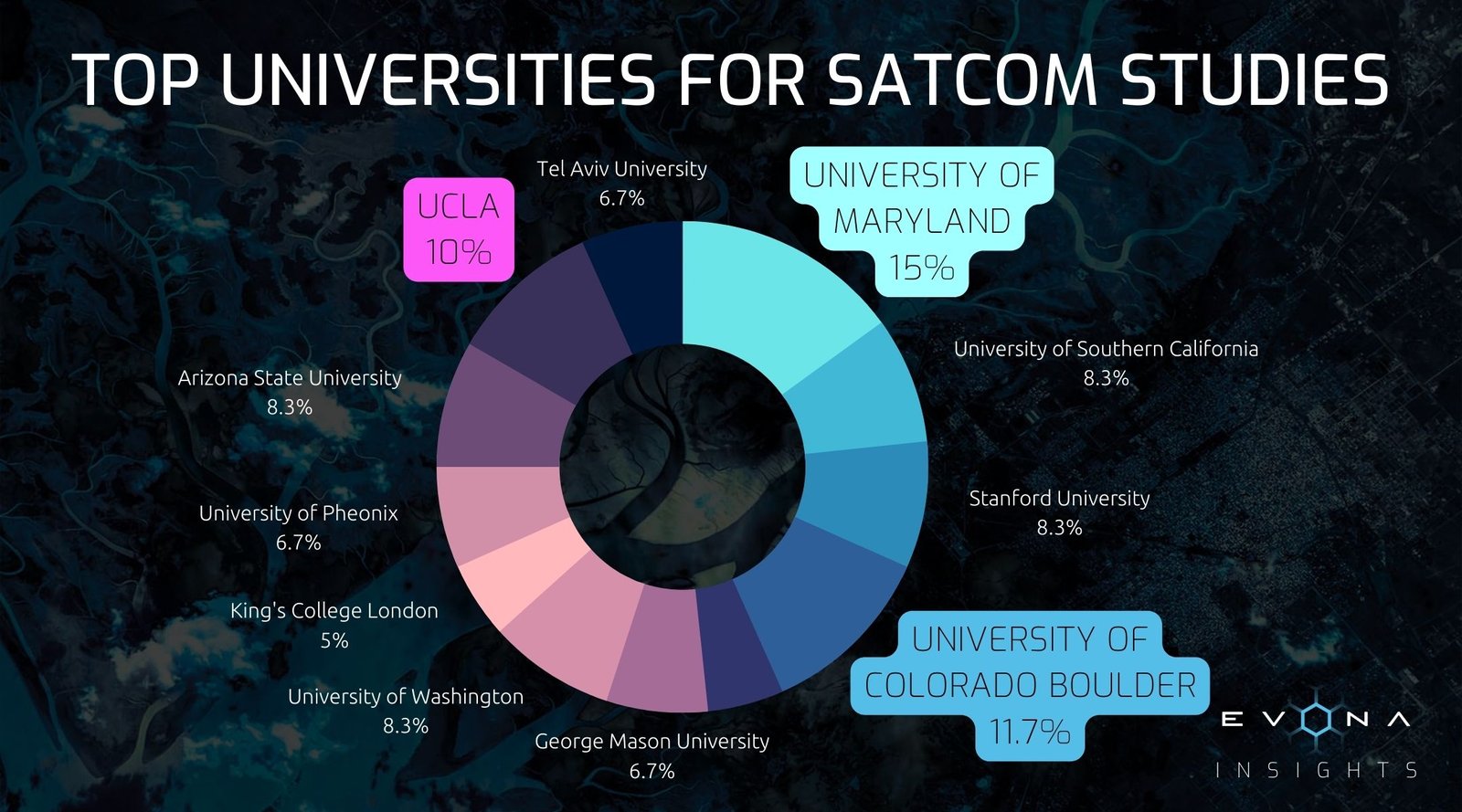

 University of Maryland, US
 Location: Baltimore, Maryland
 Location: Boulder, Colorado
 Location: Los Angeles, California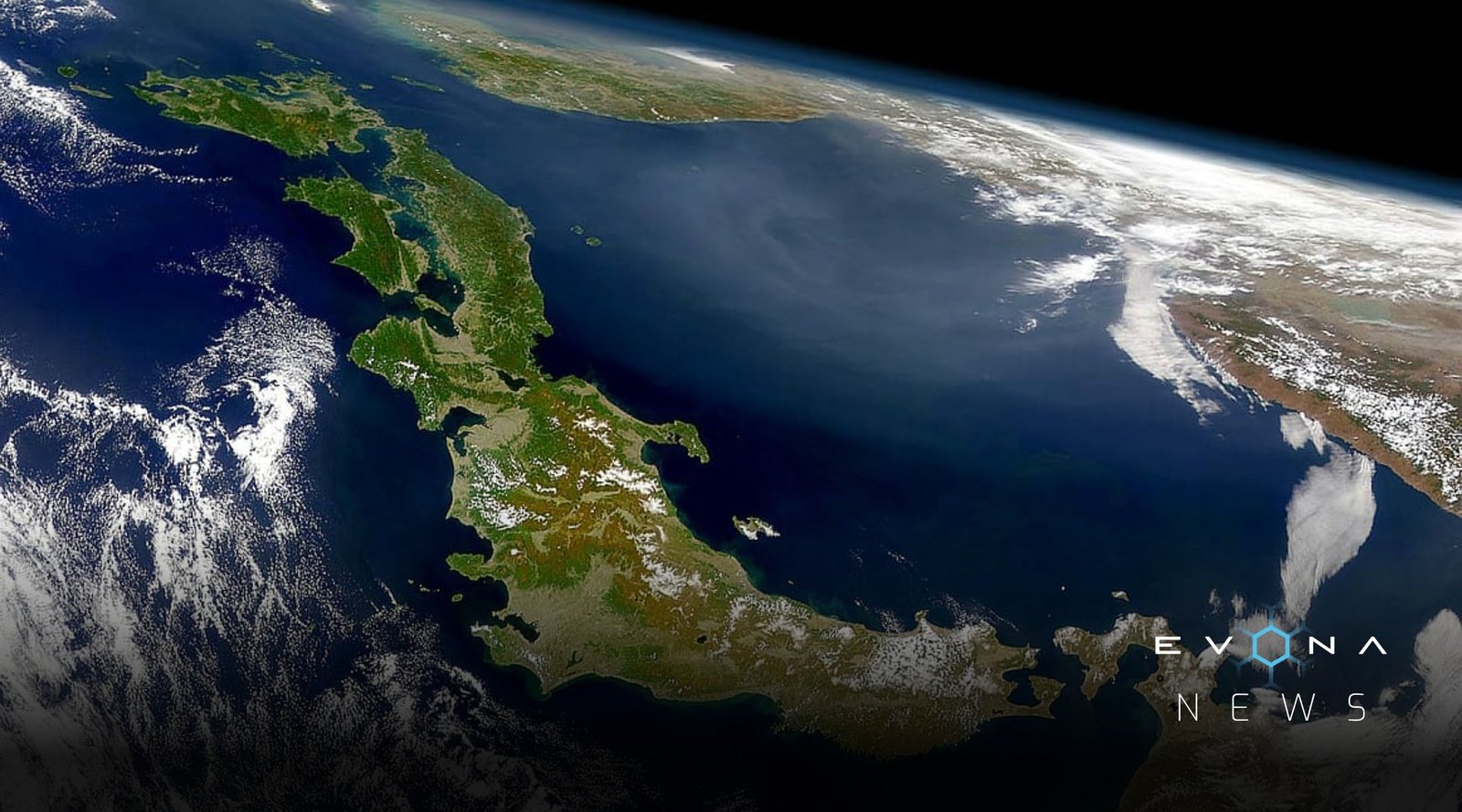

 The transformative discovery heralds numerous opportunities, especially when considering the environmental advantages wooden satellites could hold over traditional metal-based ones. Not only does wood offer a cost-effective and cleaner production process, but it also provides an environmentally conscious solution to the prevalent issue of